In the bygone days of July 2023, I attended an event with the Long Point Basin Land Trust which was all about exploring the diversity of moths. I was unable to attend the night-time event where moths were attracted to sheets and photographed and observed in their element, but I was very excited to be able to observe and photograph many species of moths that were caught in traps and released the next morning. In a series of posts I plan to explore the diversity of the moths of Southern Ontario via the subset of moths that I was fortunate enough to observe and photograph. I’m going to go Family by Family in no particular taxonomic order, but rather when each Family’s post is completed. So here goes for the first one!
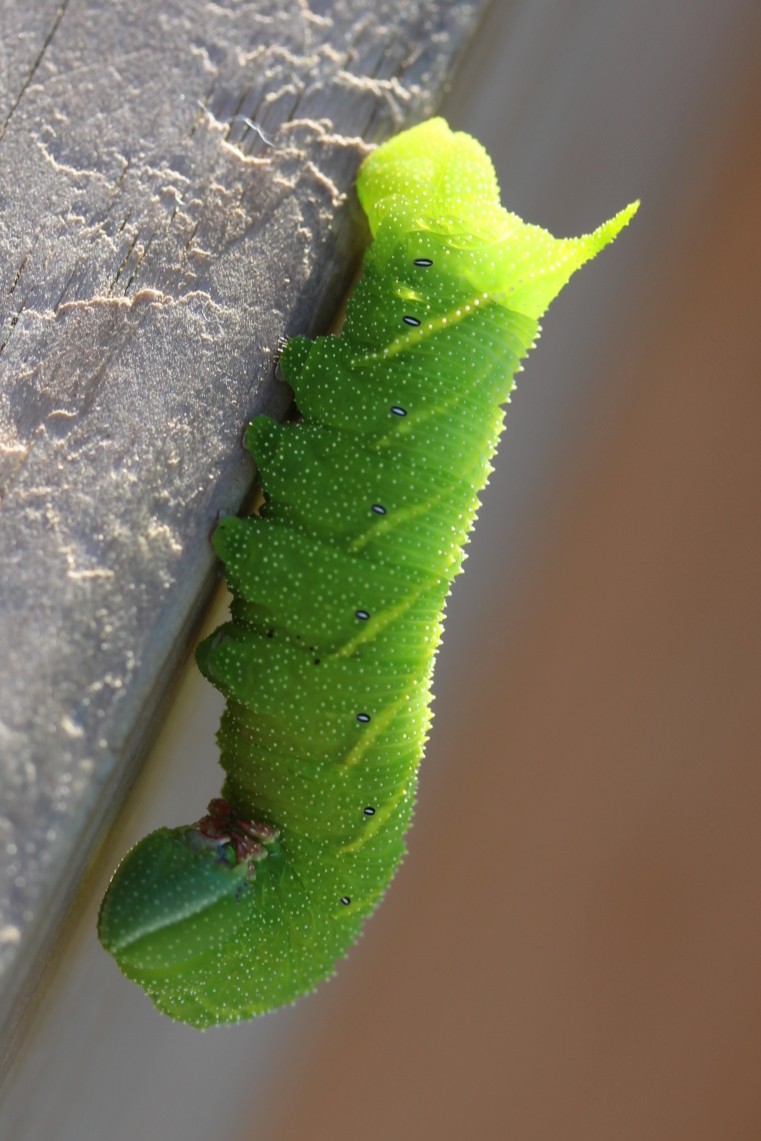
Sphinx Moths, or Hawk Moths (Family Sphingidae) are some of the largest moths in our area and are quite stunning to see. This family includes almost 1500 named species worldwide, and some very surprising members such as the Hummingbird Hawkmoths which are day-flying nectar feeders that look shockingly like insect hummingbirds. Larval Sphinx Moths are often called “Hornworms” because of the projections on some of their heads which resemble horns. Some hornworms are well known for their destructive feeding habits such as the Tomato/Tobacco Hornworm (Manduca sexta). Adult Sphinx moths feed at flowers with their long proboscis (Beadle and Leckie 2012).
SPHINGIDAE GALLERY:
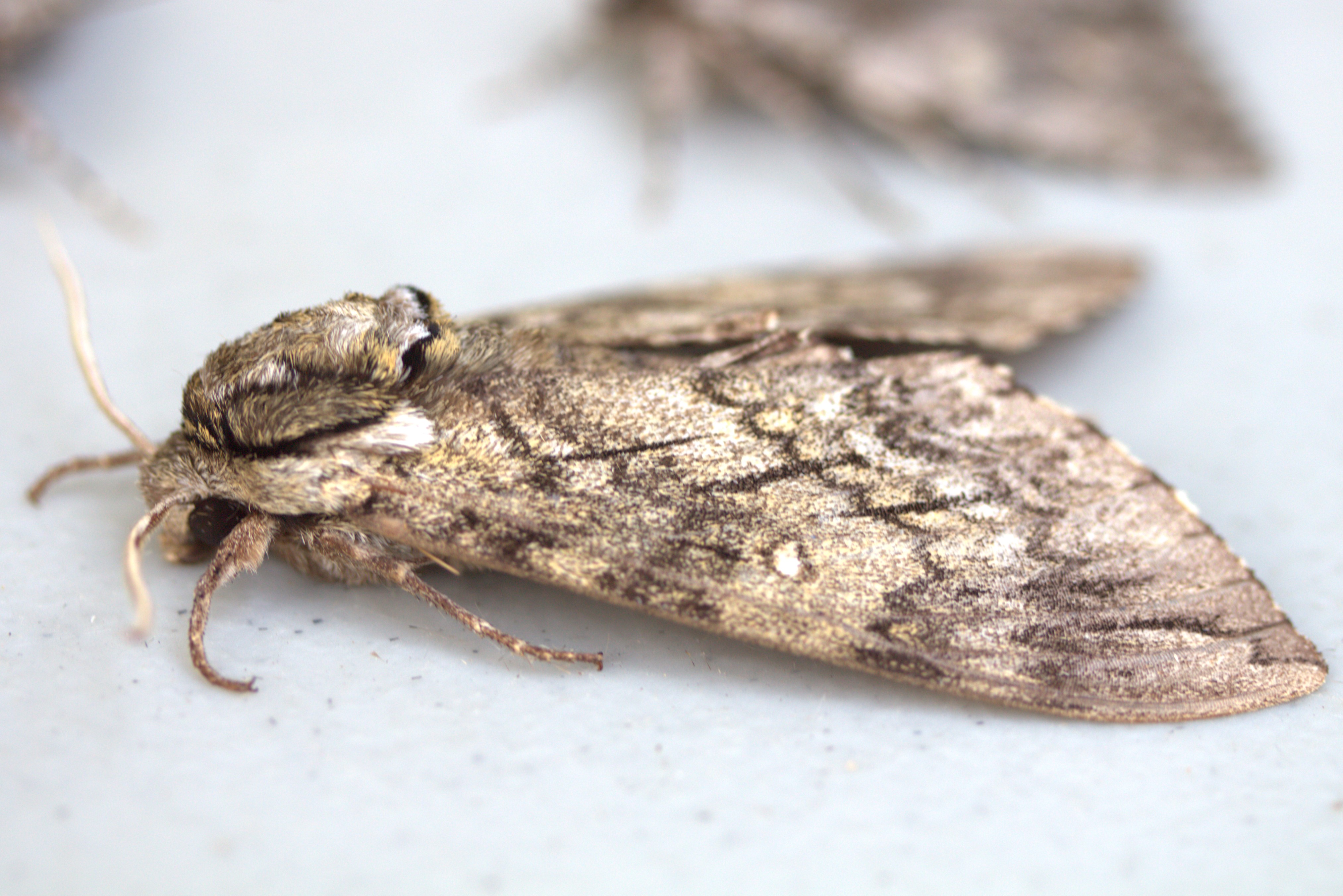
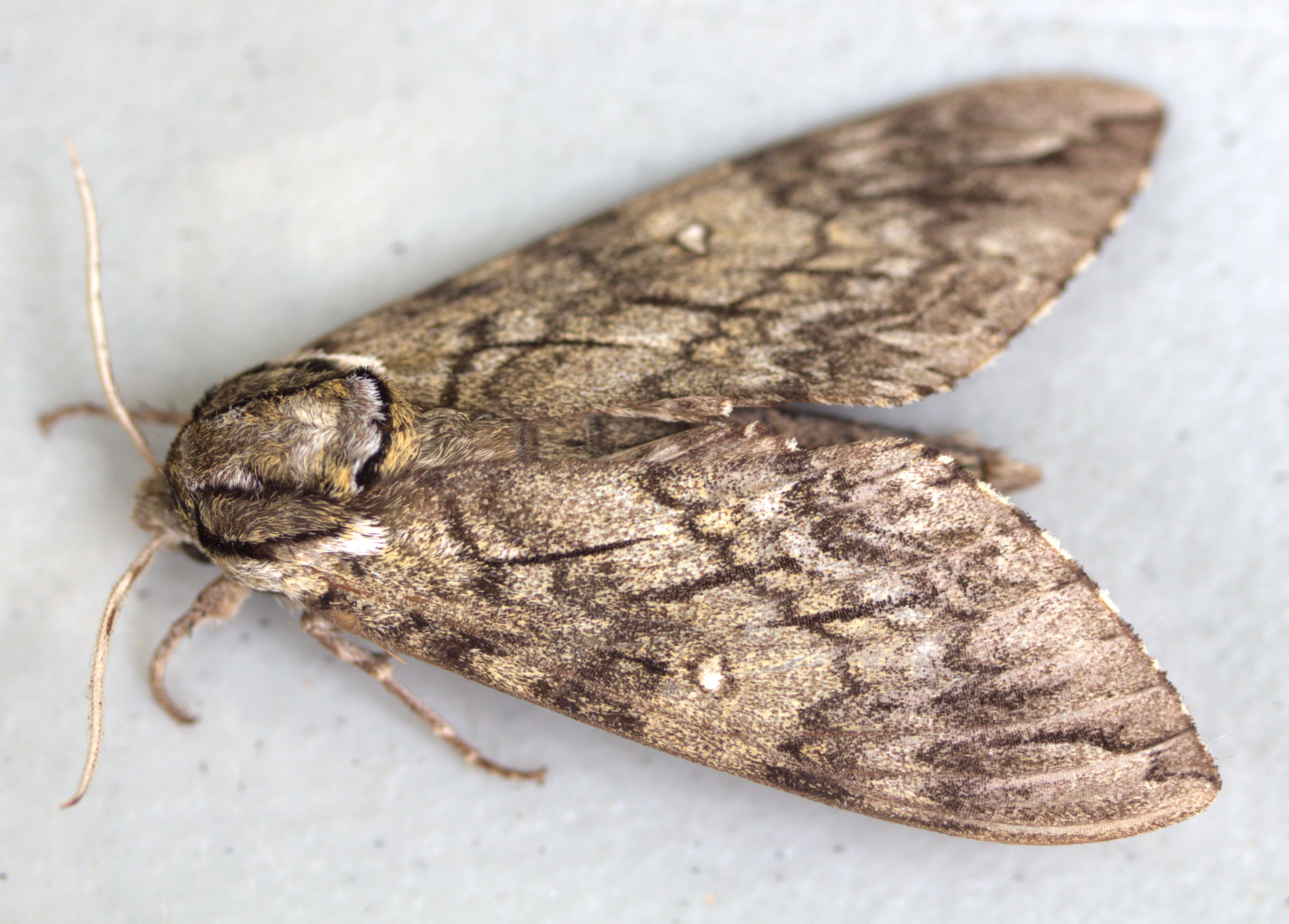
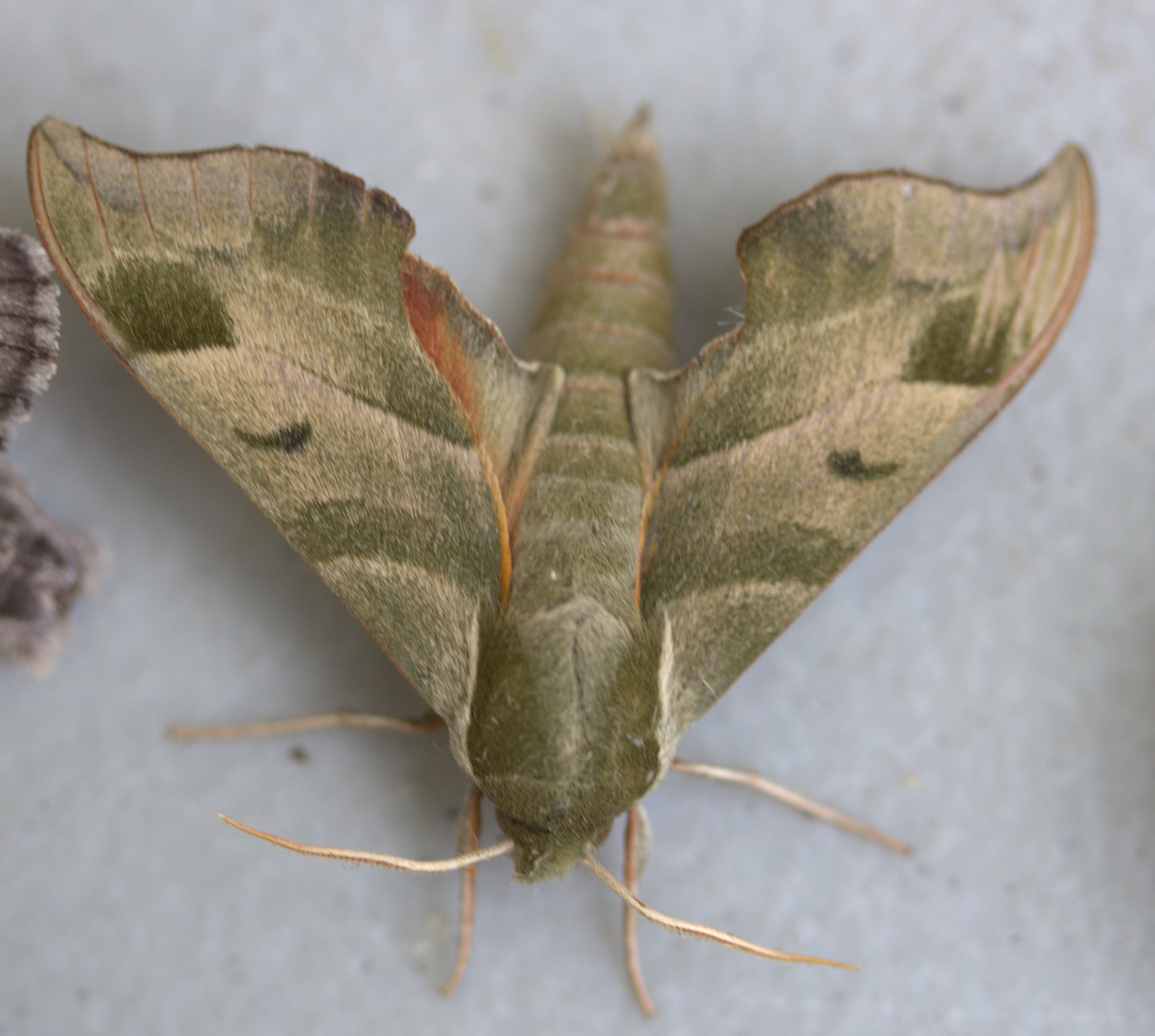

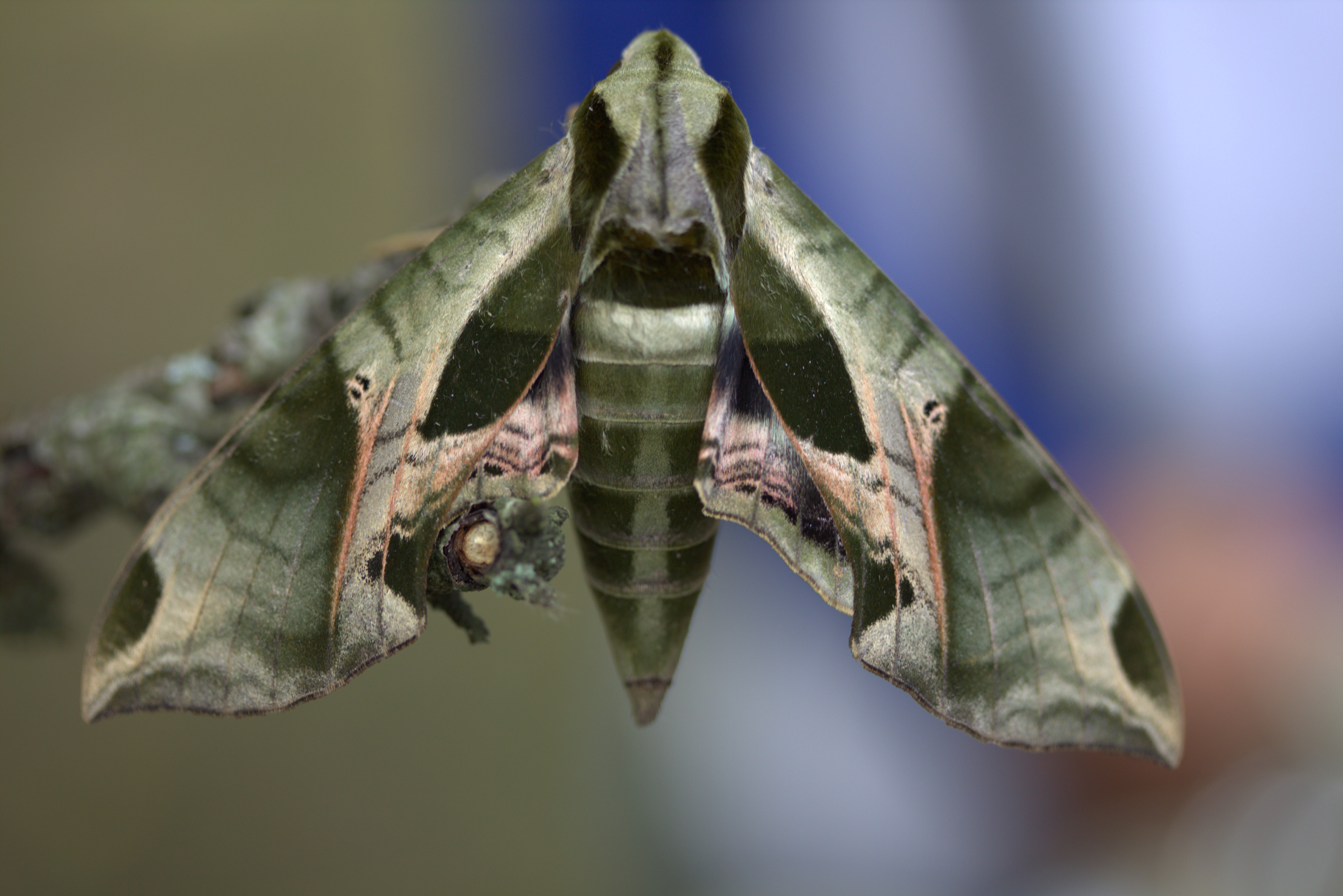
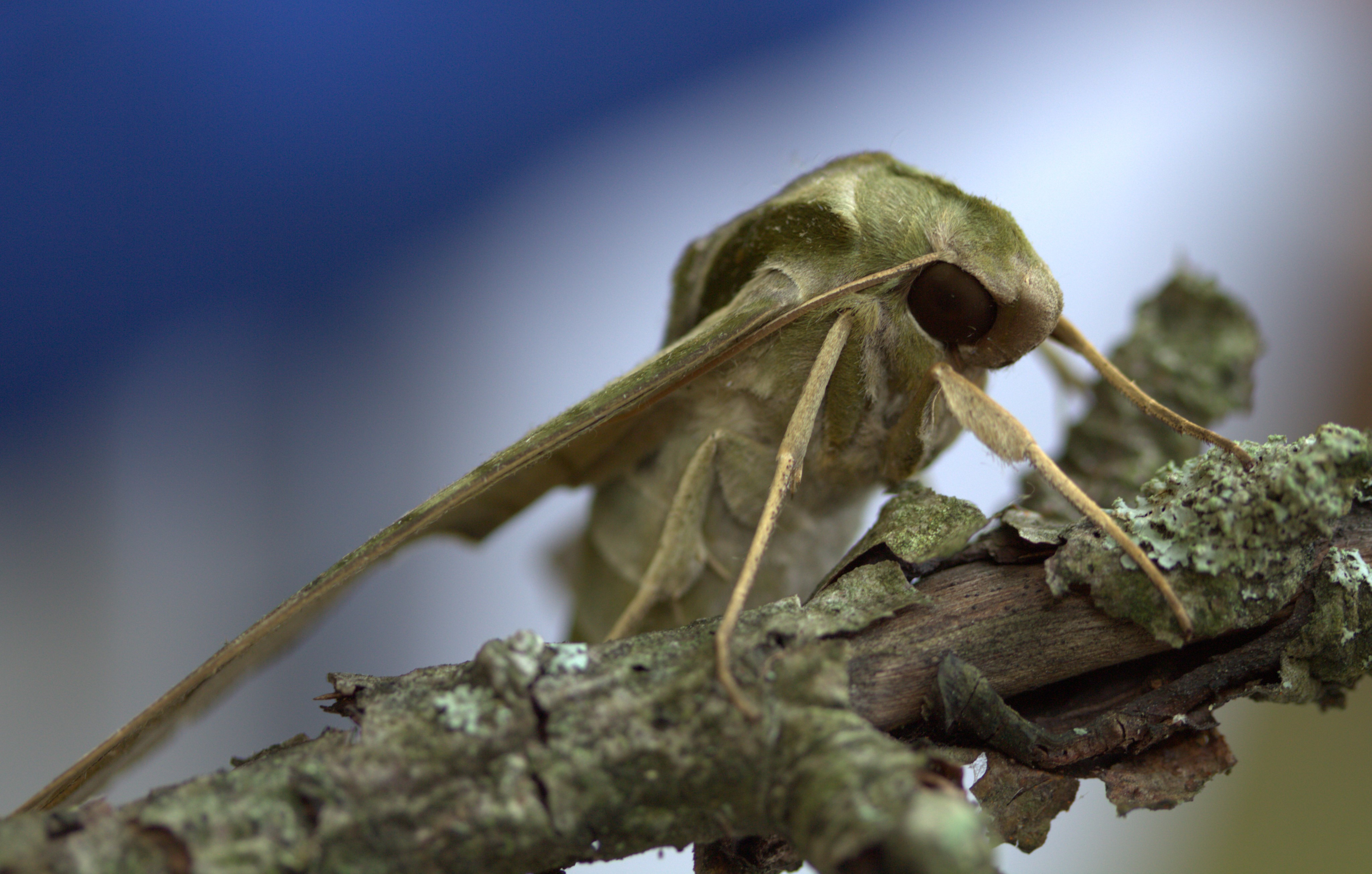
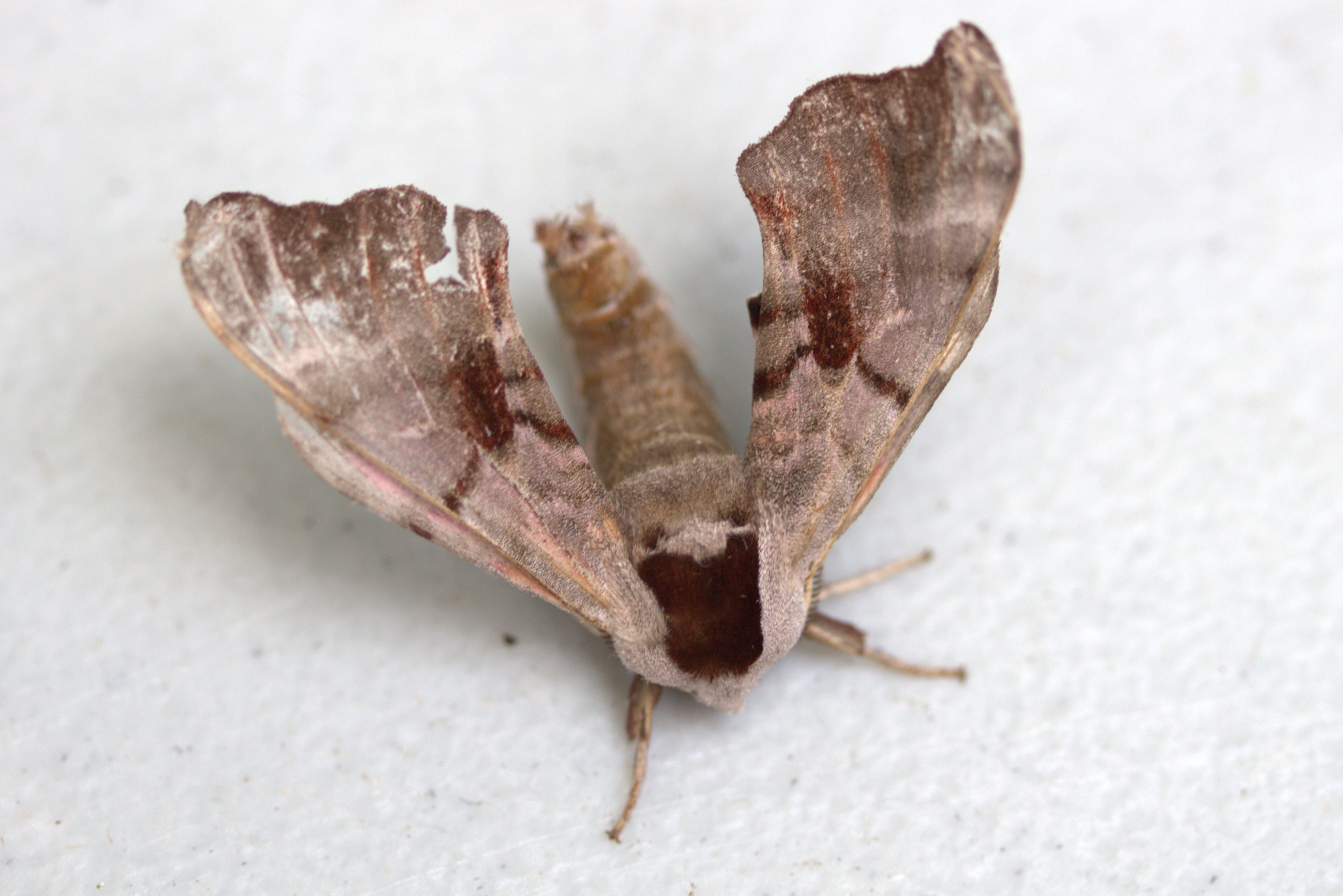
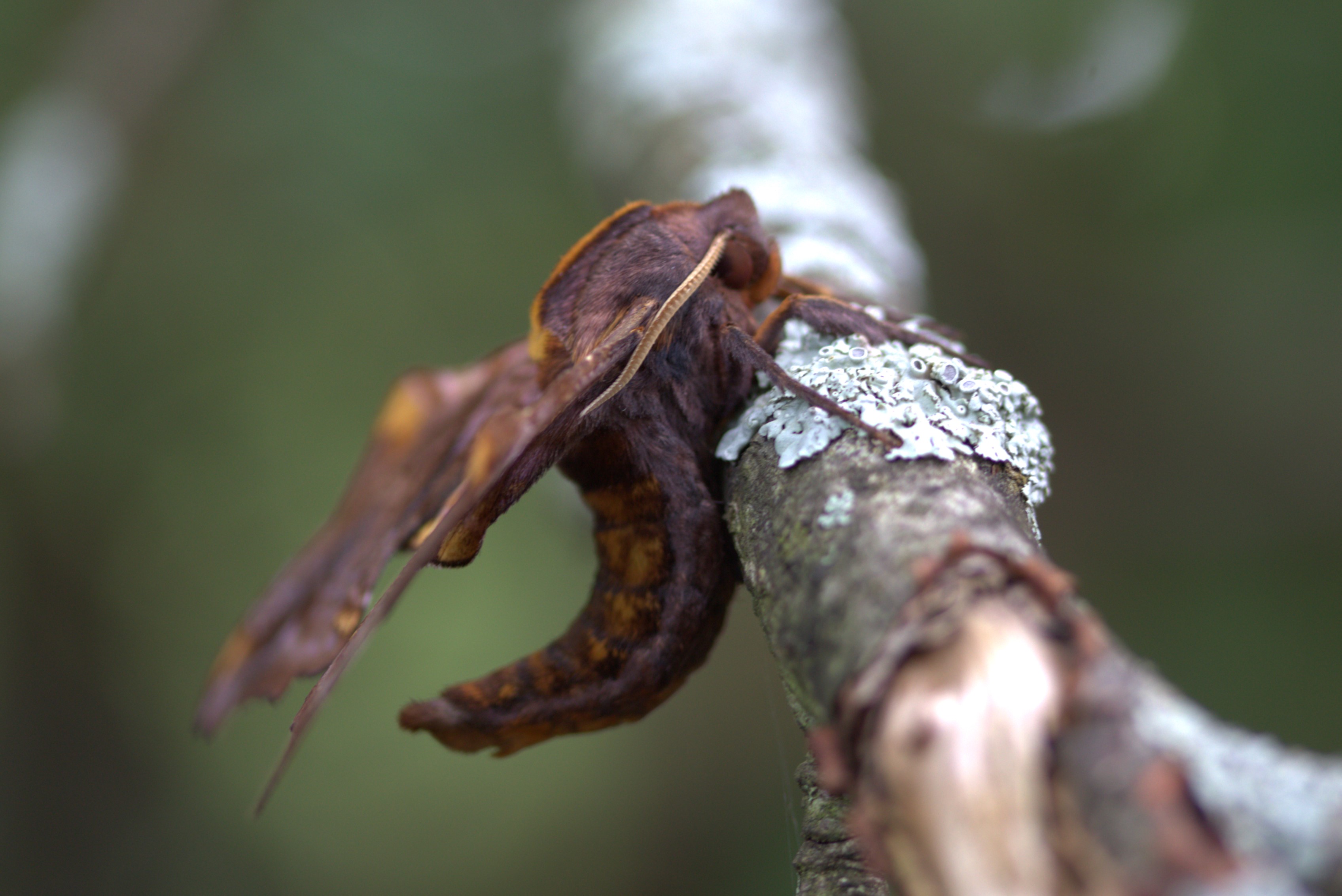


BONUS SPHINGIDAE LARVAE GALLERY:
References:
Beadle, David and Leckie, Seabrooke 2012. Peterson Field Guide to Moths of Northeastern North America. Houghton Mifflin Harcourt.
Discover more from Norfolk Naturalist
Subscribe to get the latest posts sent to your email.

 Norfolk Naturalist
9 replies on “Moth Miscellany, Part 1: Sphingidae”
Awesome photos and interesting information.
LikeLiked by 1 person
Thanks! Glad you liked them. There are a lot more moth photos to come from this event, so stay tuned for several similar posts 🙂
LikeLiked by 1 person
Definitely looking forward to it.
LikeLike
Really enjoyed this blog. Great photos and interesting info.
LikeLiked by 1 person
Glad you liked it! There are so many more Moth photos to come 🙂
LikeLike
[…] –Moth Miscellany, Part 1: Sphingidae […]
LikeLike
Thanks for helping ID the small fat brown night moth that looks like a teeny hummingbird on the Lantana that acts like the big Hawk moths on 4 o’clocks (that I could’ve sworn were hummers the first time we saw them.) Mississippi
LikeLiked by 1 person
[…] –Moth Miscellany, Part 1: Sphingidae […]
LikeLike
[…] And the following three cover some of the amazing moths that I observed at an event 2 years ago: Sphingidae, Erebidae, and Limacodidae. I have such a backlog of observations/writings that I would like to see […]
LikeLike