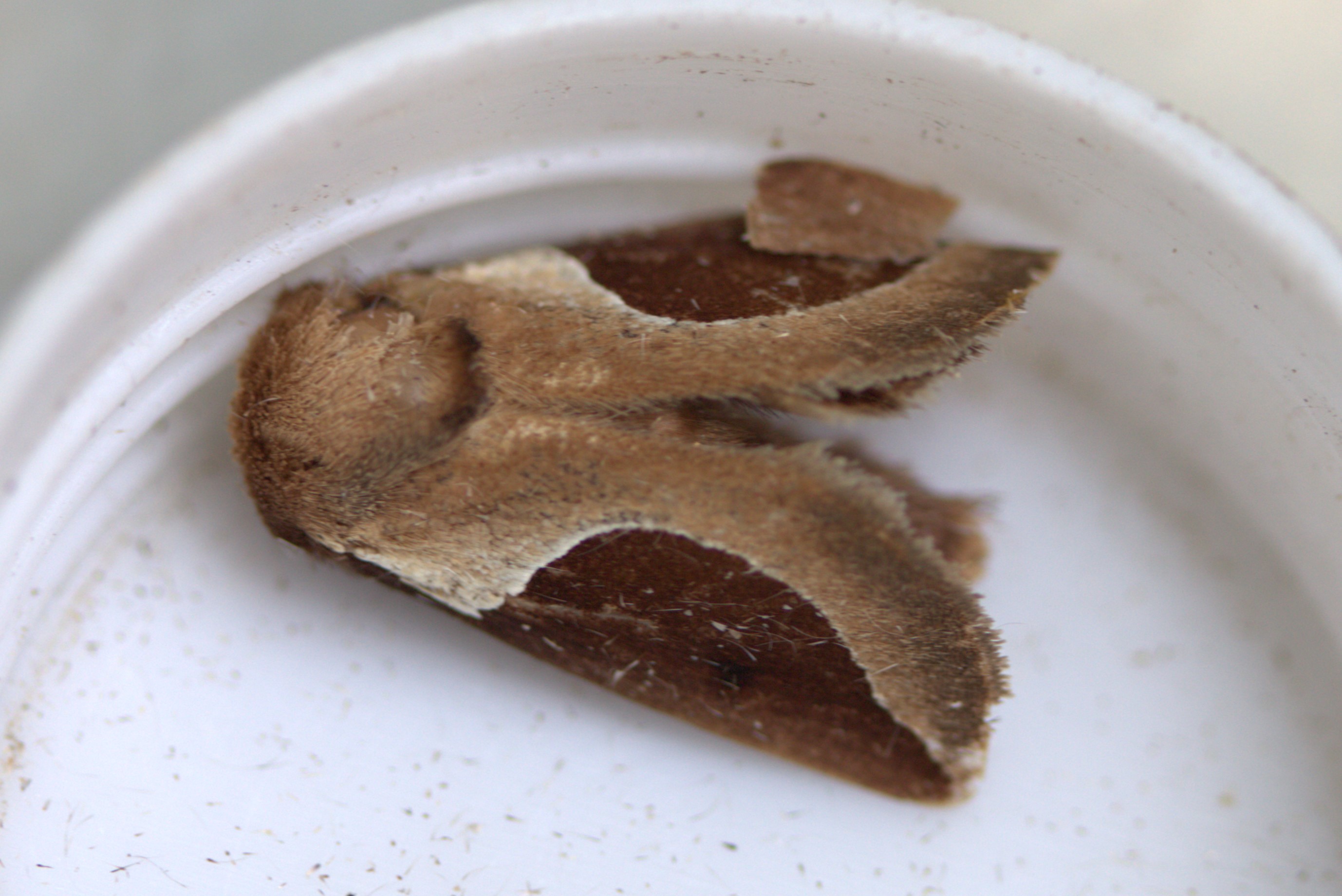
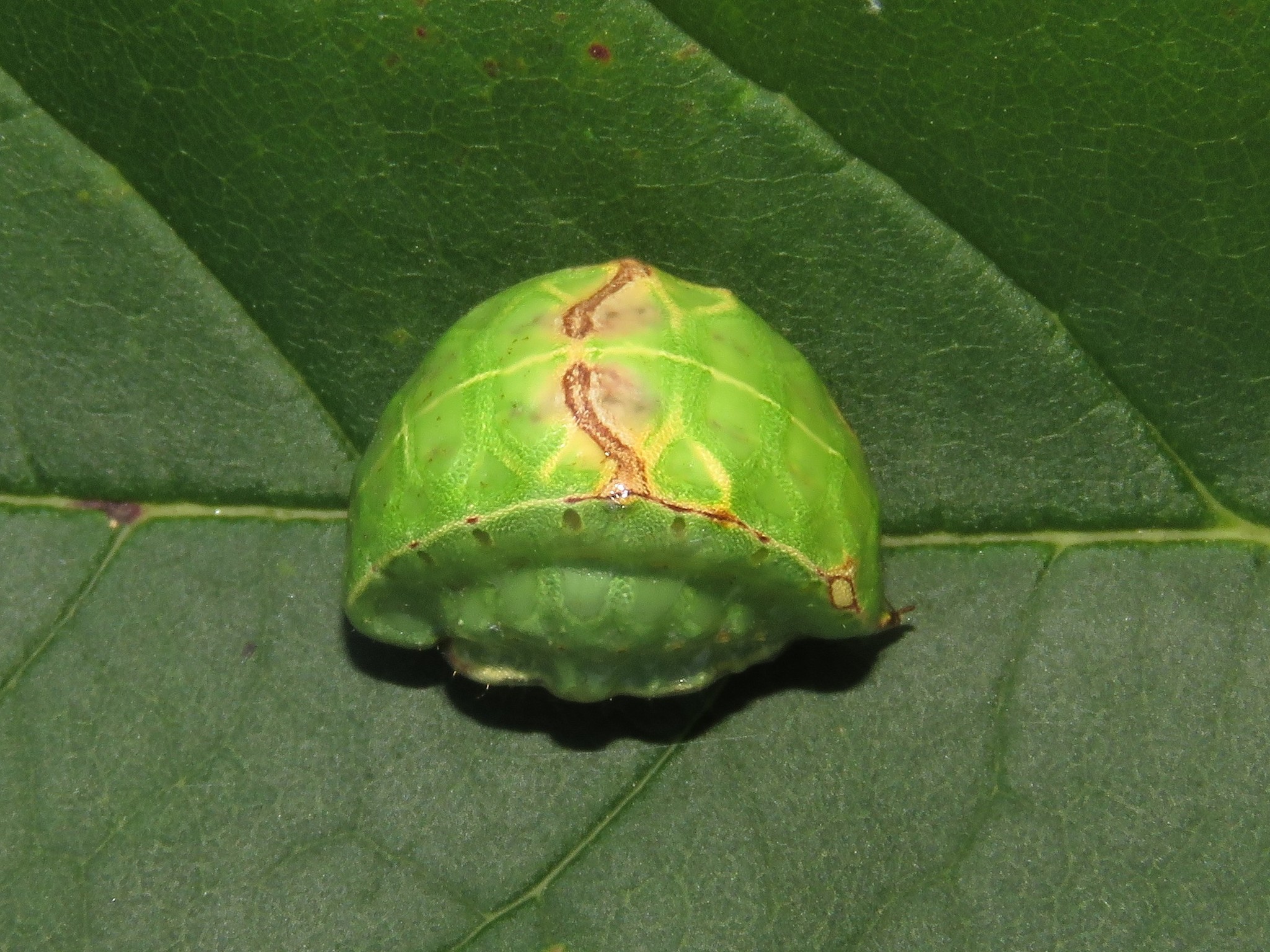
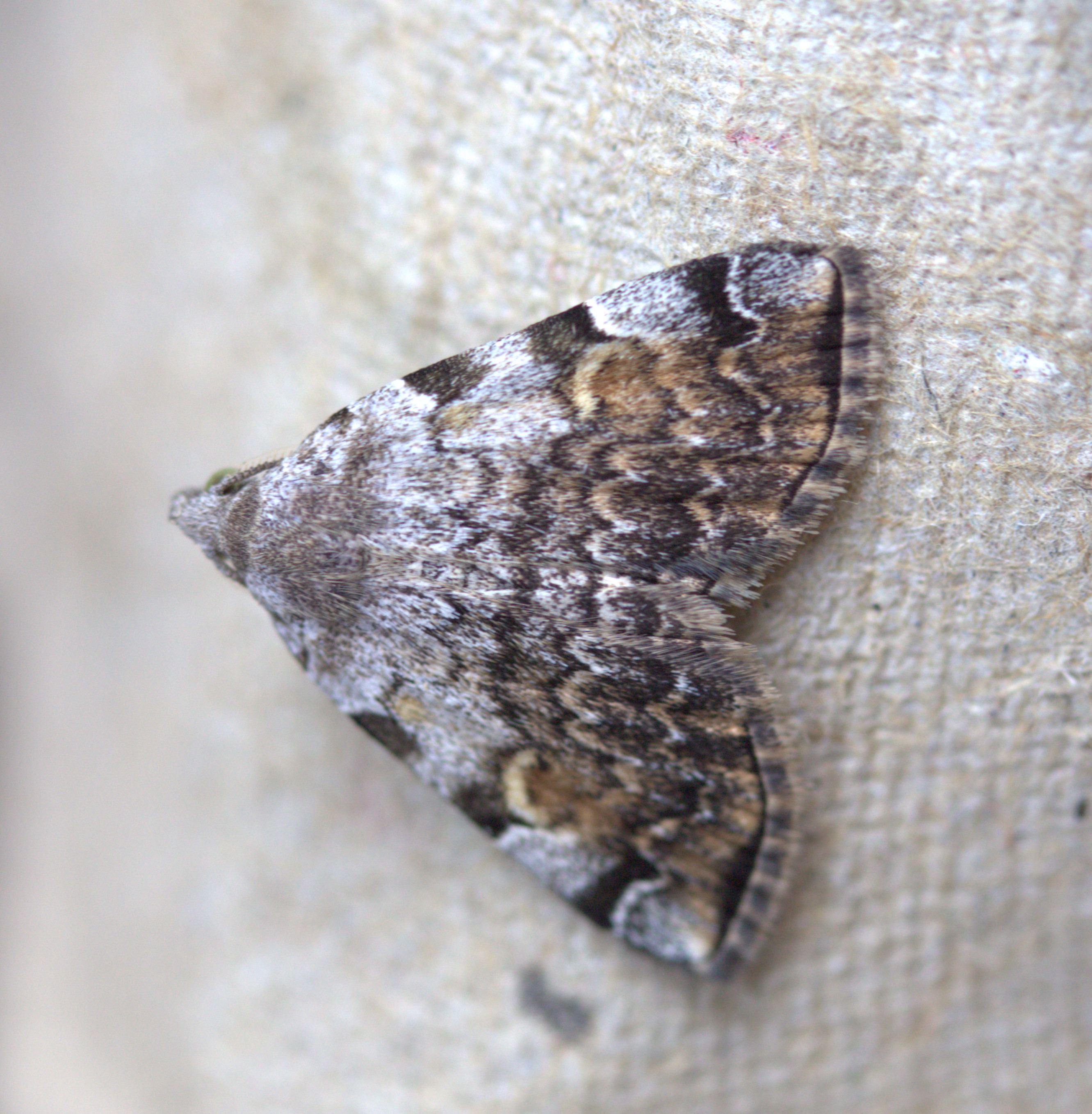
The Limacodidae are known as “Slug Moths” in reference to their bizarre caterpillars (see below). Although there are almost 2000 named species, many of them are tropical and I only observed one at the mothing event, the Skiff Moth. These moths feed on various trees and woody plants as larvae including “birch, blueberry, oak, poplar, and willow” (Beadle and Leckie 2012). Some slug moths (especially the tropical members of this group) have bristly spines that can give a nasty sting, but the Skiff moth larva doesn’t seem to have any of these venomous defenses, perhaps relying entirely on its strange non-caterpillar appearance for evading predation or disturbance.
Skiff Moth (Prolimacodes badia)Skiff Moth Caterpillar (Prolimacodes badia), photographed in Port Dover, Ontario by Dan McNeal (used with permission).
References:
Beadle, David and Leckie, Seabrooke 2012. Peterson Field Guide to Moths of Northeastern North America. Houghton Mifflin Harcourt.
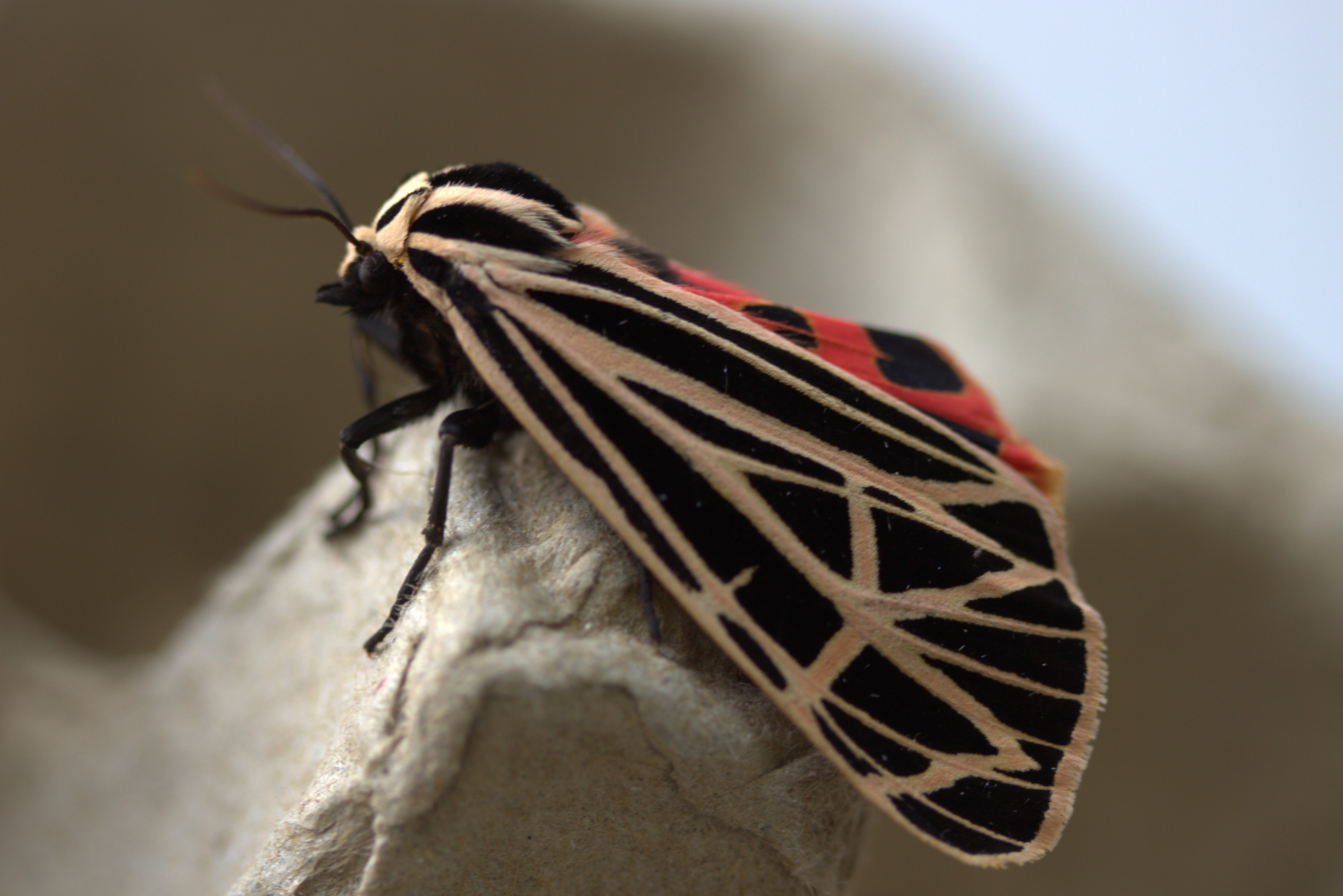
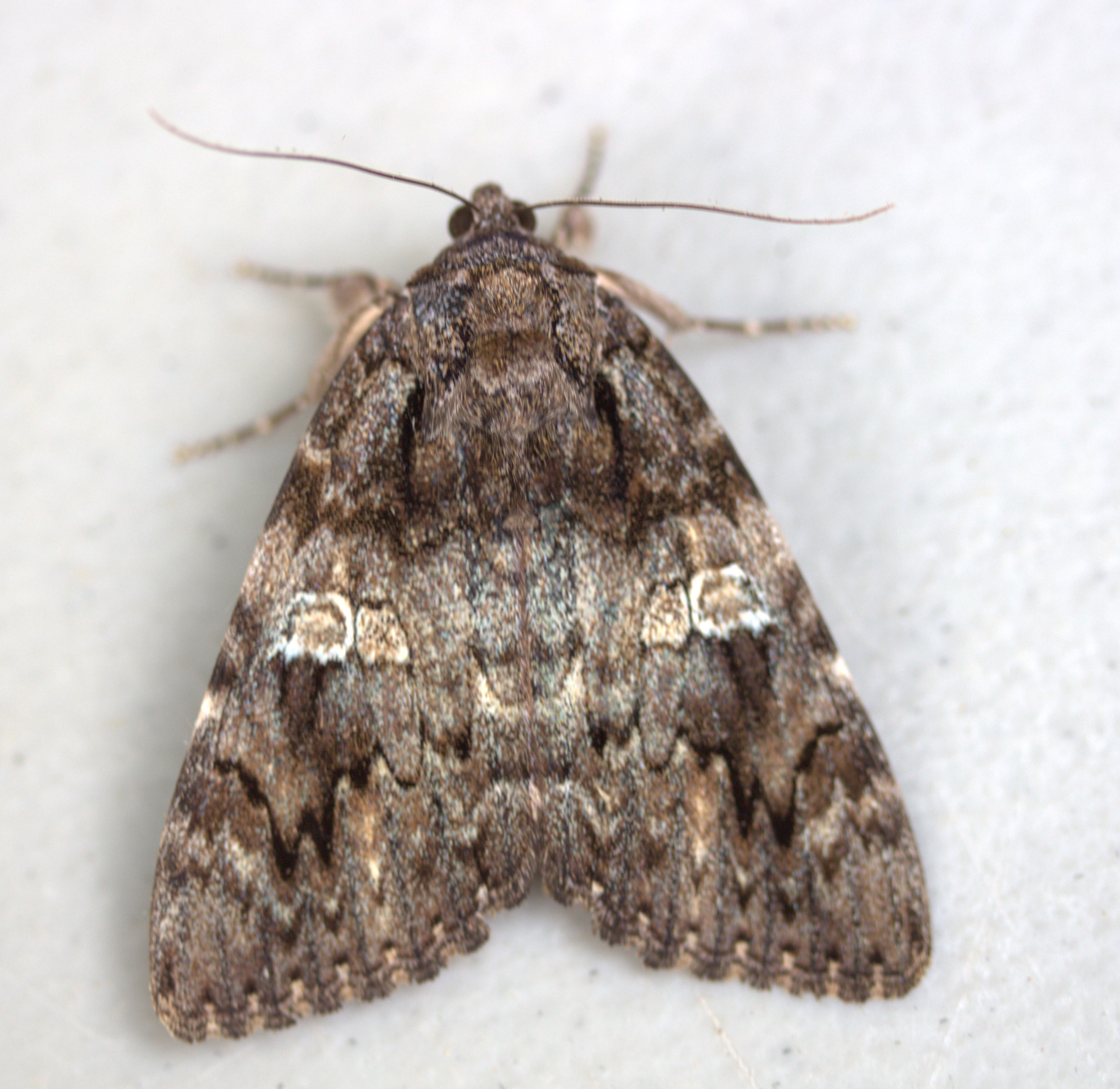
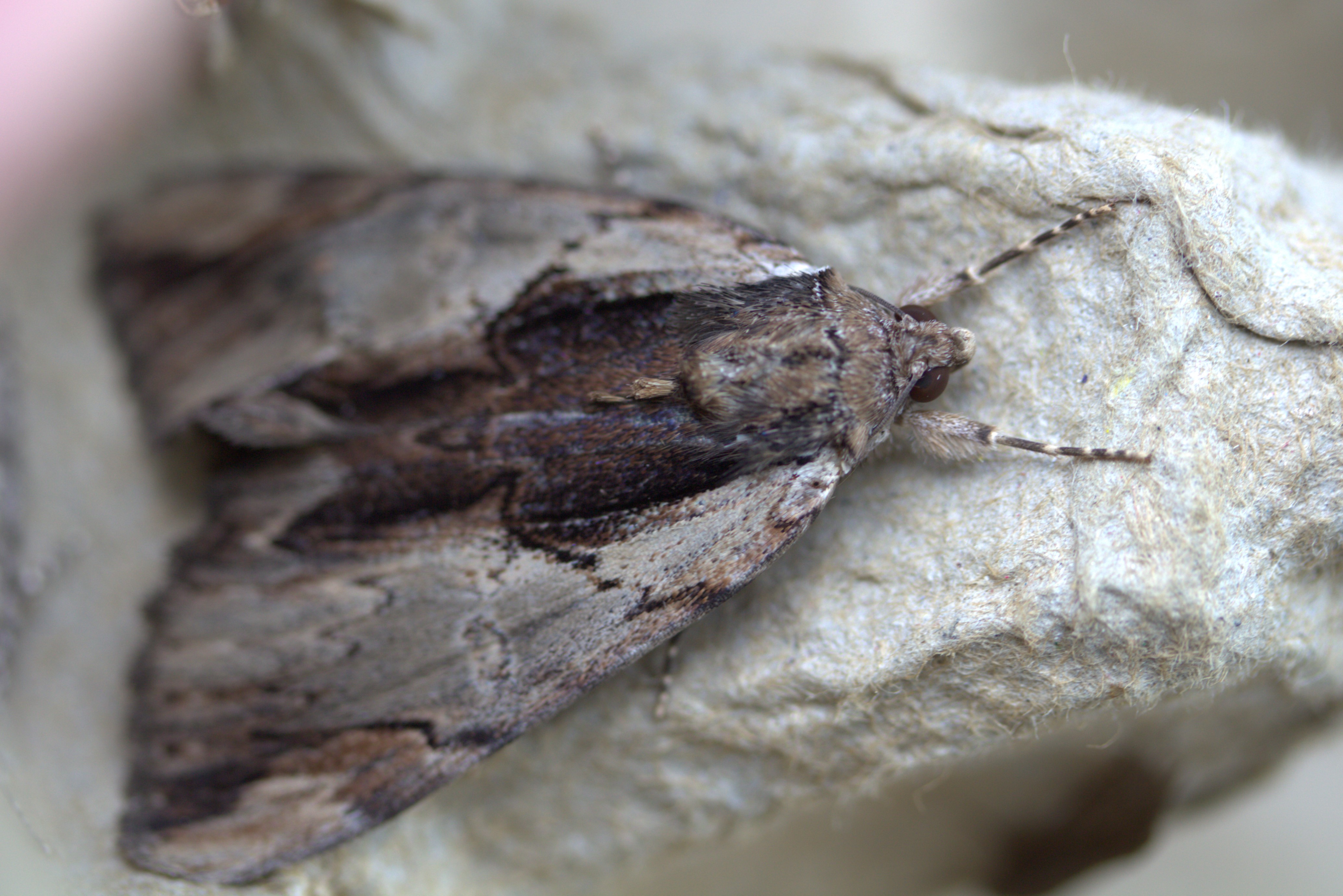
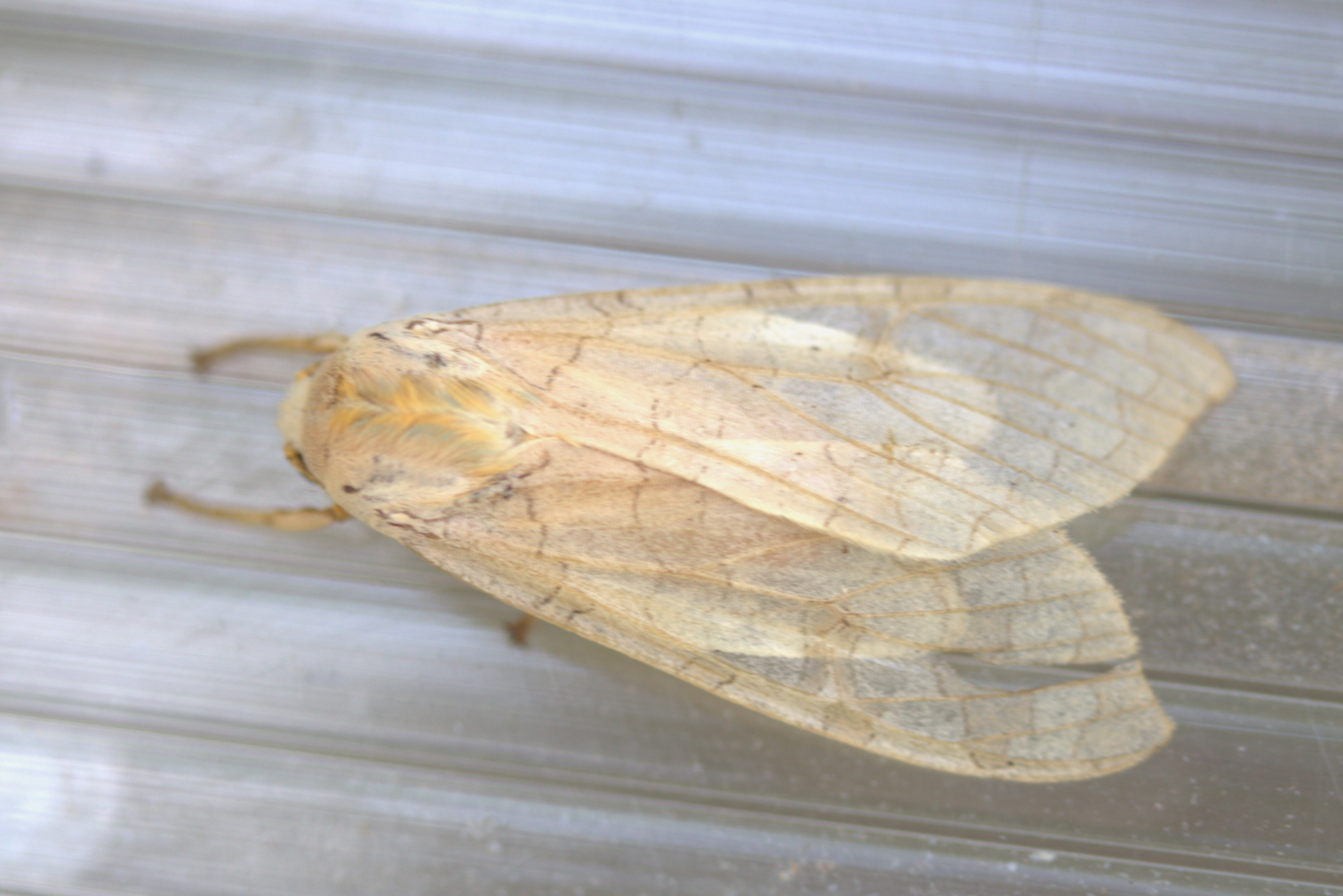
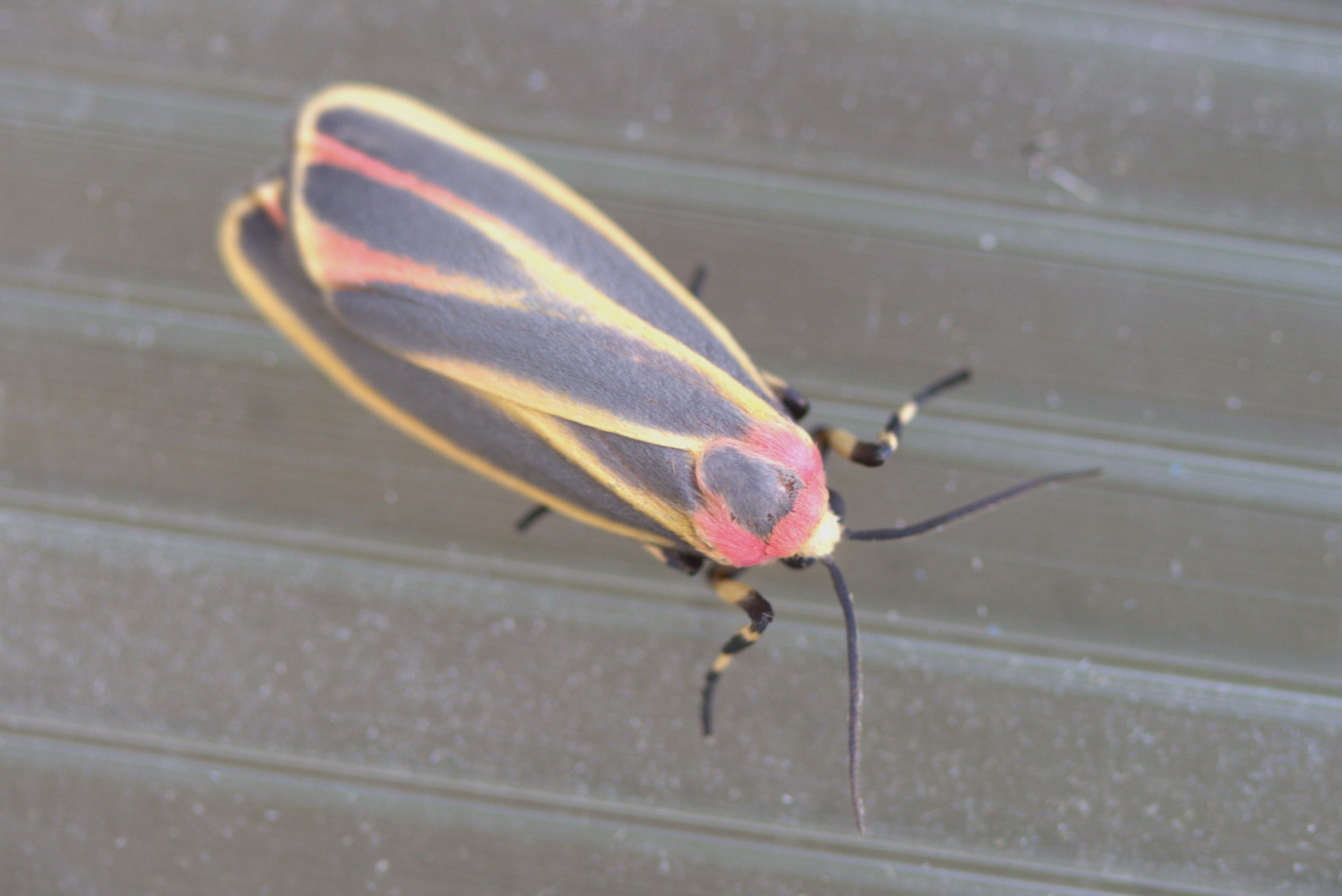
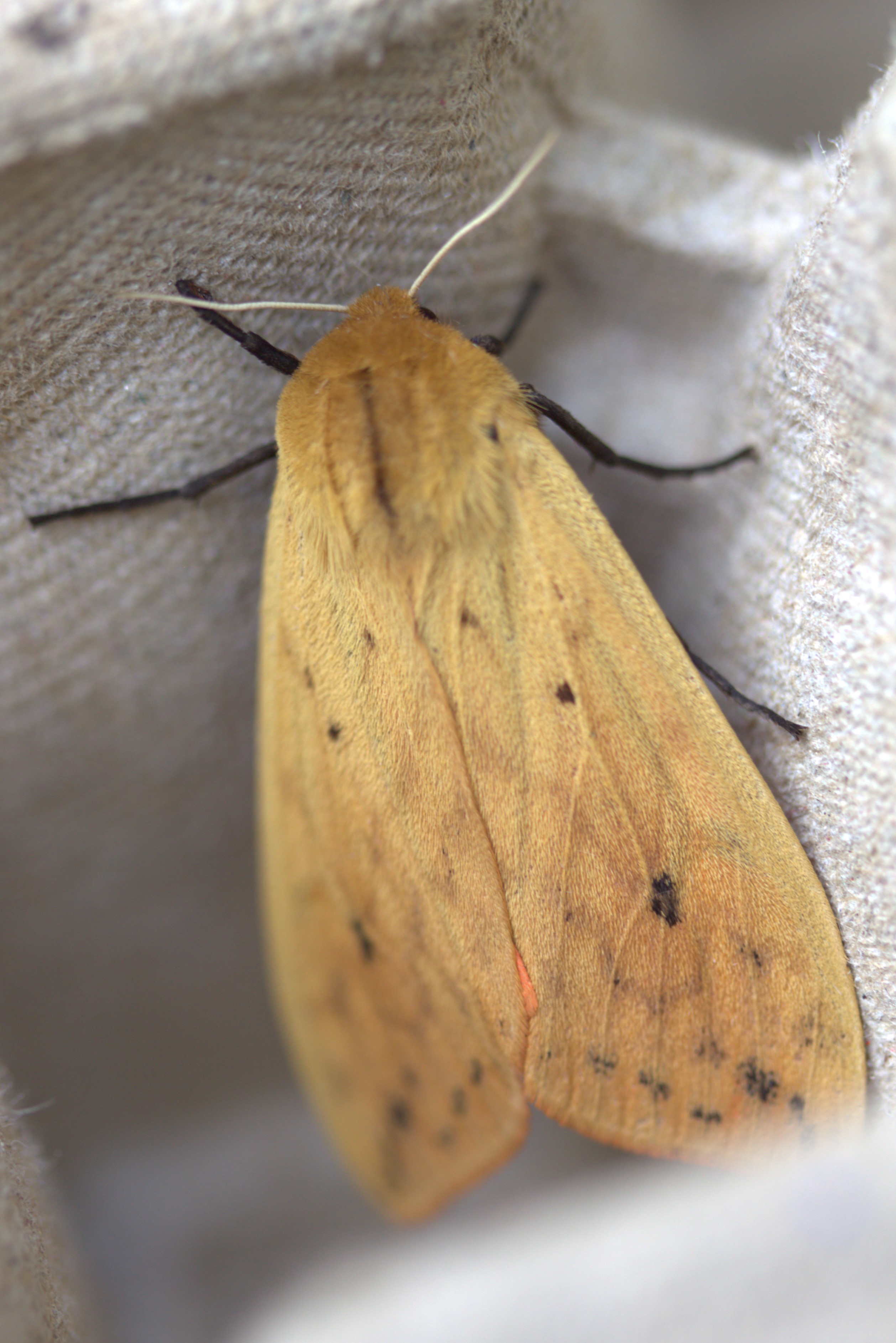
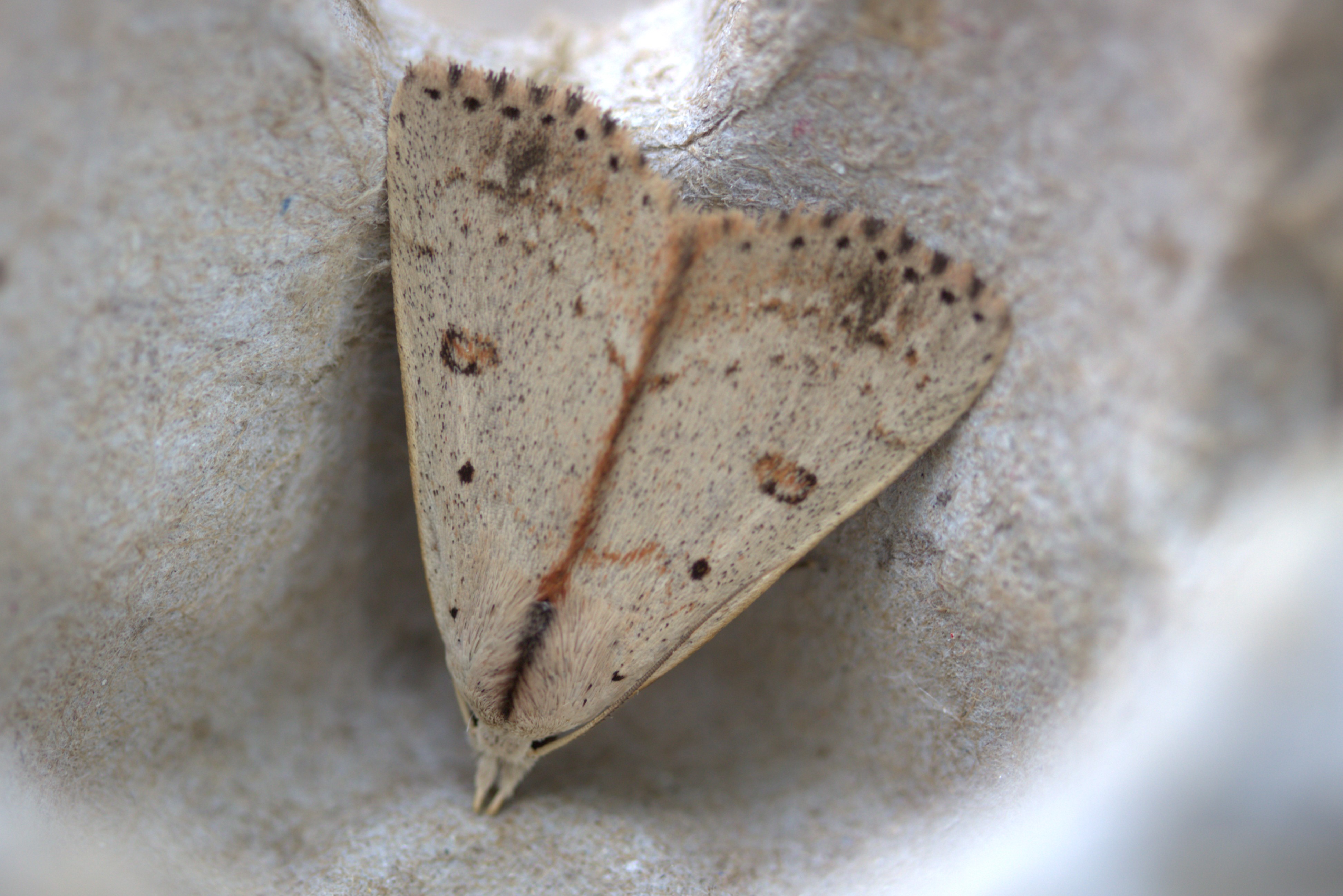
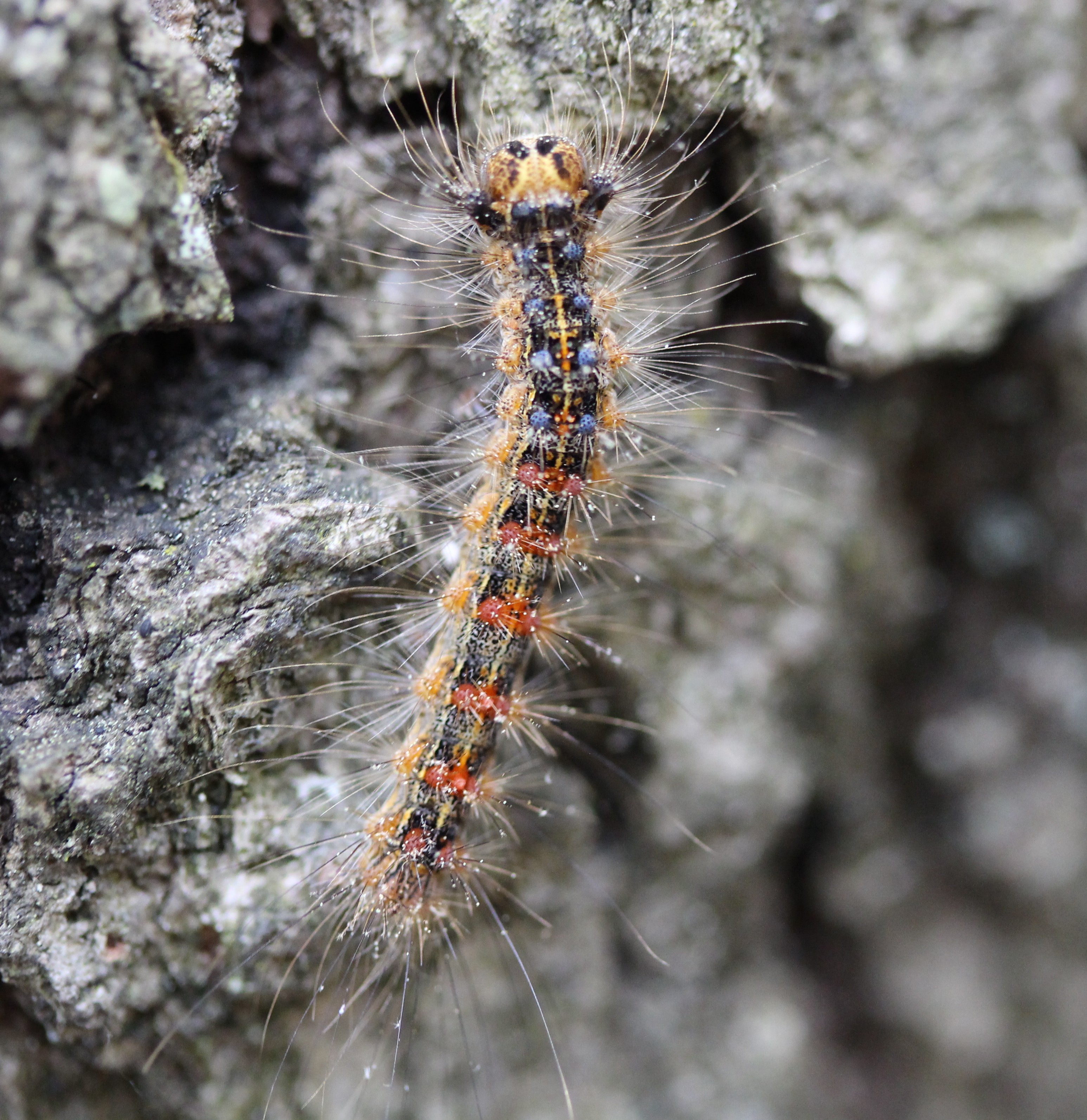
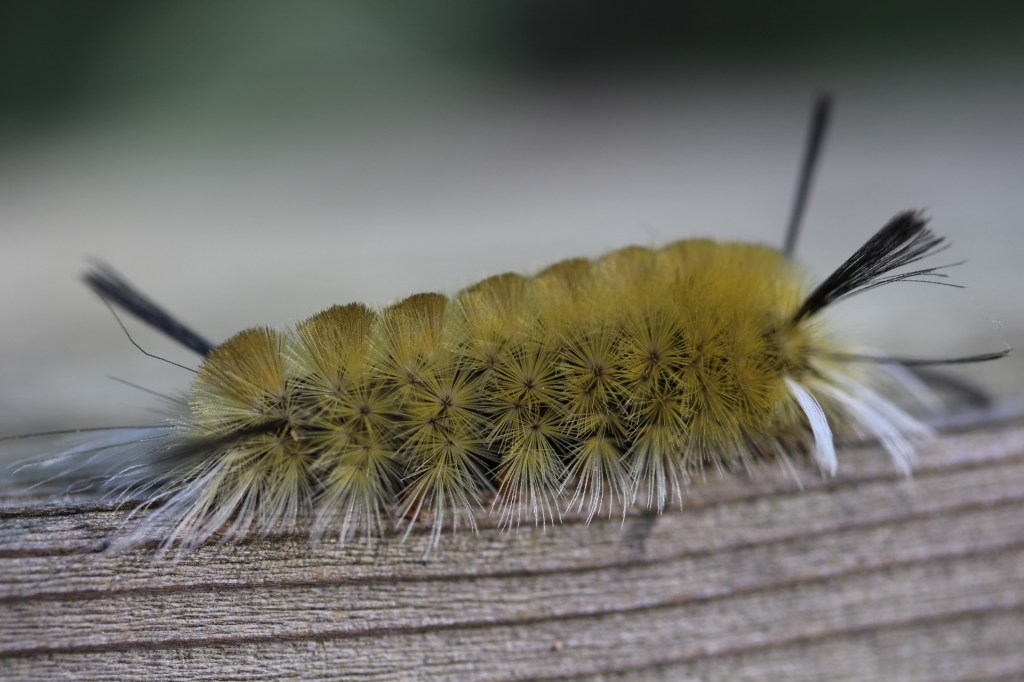
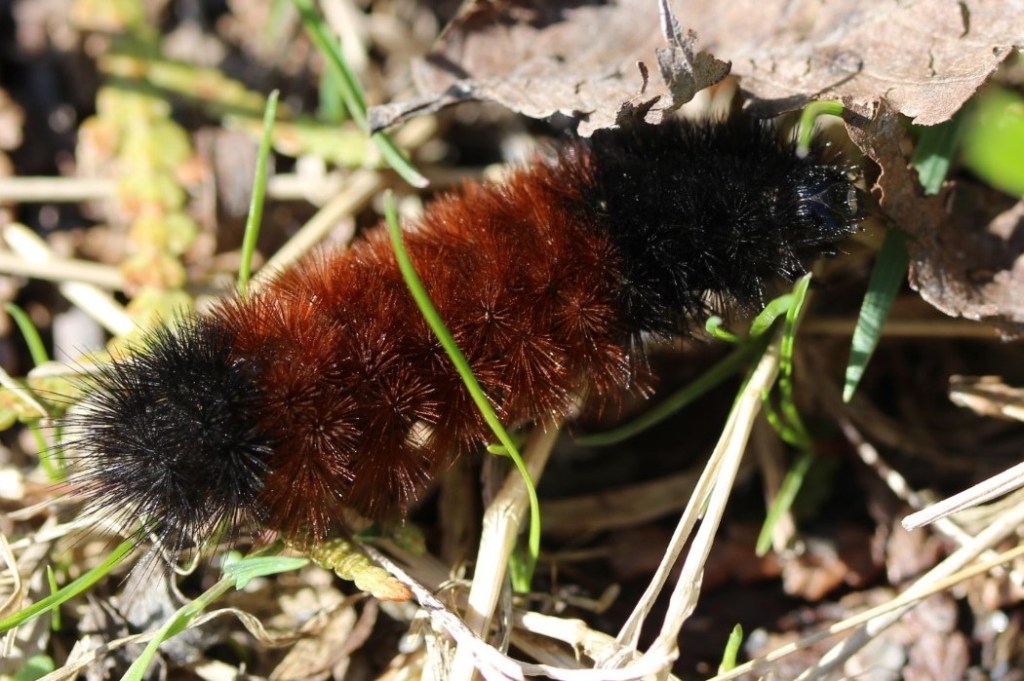
Moths in the Family Erebidae are widespread and diverse (in fact, they are the most speciose family of moths, with over 24,000 described species). They are some of the most colourful and fantastic night fliers, some of the most familiar and exotic moths. Perhaps the most commonly encountered Erebid moth in North America is the Spongy Moth (Lymantria dispar), because of its incredibly invasive caterpillars that have spread across the continent. Spongy Moths are part of the Tussock Moth group, known for their spiky caterpillars covered with long ‘tussocks’. One such moth is featured below, the Banded Tussock Moth. Another incredibly common Erebid caterpillar is the trundling Woolly Bear caterpillar, the adult moth is featured below (known in its winged form as the Isabella Tiger Moth). Another group of Erebids are known as Lichen Moths because their caterpillars feed on lichen. Another lichen-feeding species is featured below: the American Idia, a drab grey moth in contrast to the colourful pastels of its lichen-feeding cousin the Painted Lichen Moth. The Virgin Tiger Moth and the Giant Leopard Moth are two of the larger and more striking of the Erebid moths that I photographed. Other moths in this group are striking for their evocative names such as “The Herald Moth” or “Deadwood-borer Moth”. Another subsection of this family are known as “Underwings” because they have often brilliantly coloured wings concealed beneath their often drab forewings, the better to startle predators with when discovered.
Spongy Moth Caterpillar (Lymantria dispar), Turkey Point Provincial Park, June 2018Banded Tussock Moth Caterpillar (Halydisota tessellaris), Lynn Valley Trail, September 2020Woolly Bear Caterpillar (Pyrrharctia isabella), Lynn Valley Trail, August 2019. Another name would be the Isabella Tiger Moth Caterpillar.
References:
Beadle, David and Leckie, Seabrooke 2012. Peterson Field Guide to Moths of Northeastern North America. Houghton Mifflin Harcourt.
In the bygone days of July 2023, I attended an event with the Long Point Basin Land Trust which was all about exploring the diversity of moths. I was unable to attend the night-time event where moths were attracted to sheets and photographed and observed in their element, but I was very excited to be able to observe and photograph many species of moths that were caught in traps and released the next morning. In a series of posts I plan to explore the diversity of the moths of Southern Ontario via the subset of moths that I was fortunate enough to observe and photograph. I’m going to go Family by Family in no particular taxonomic order, but rather when each Family’s post is completed. So here goes for the first one!
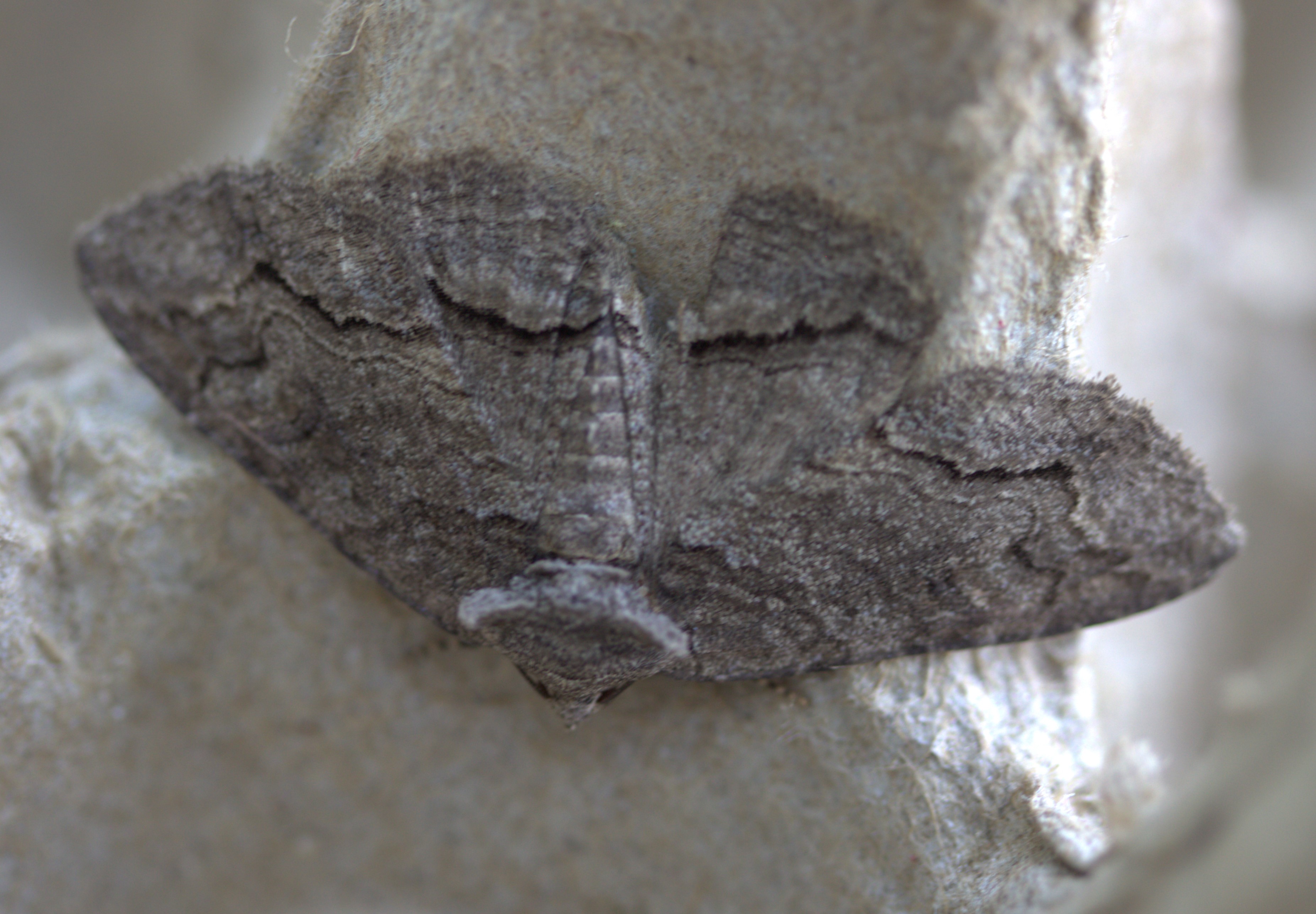
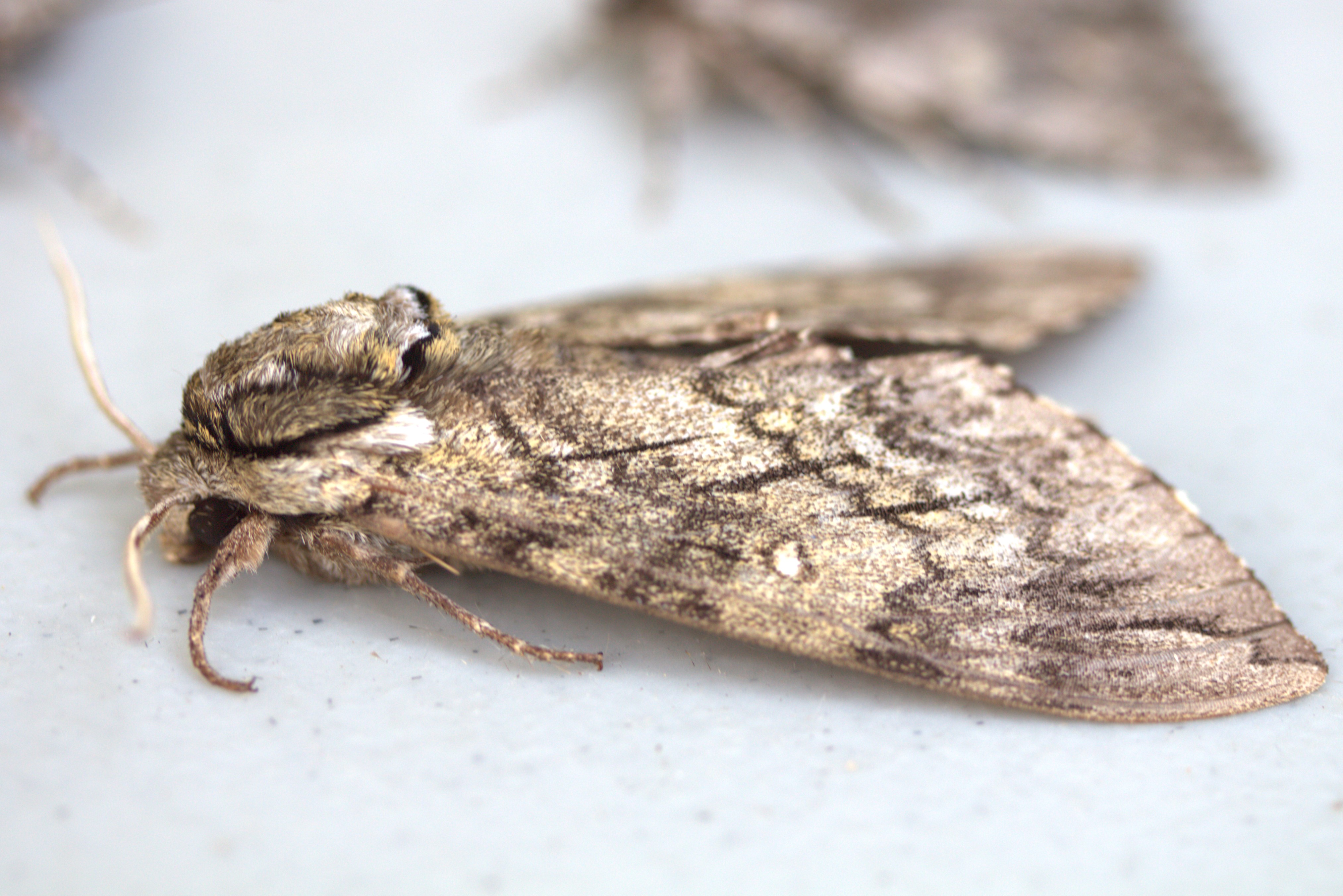
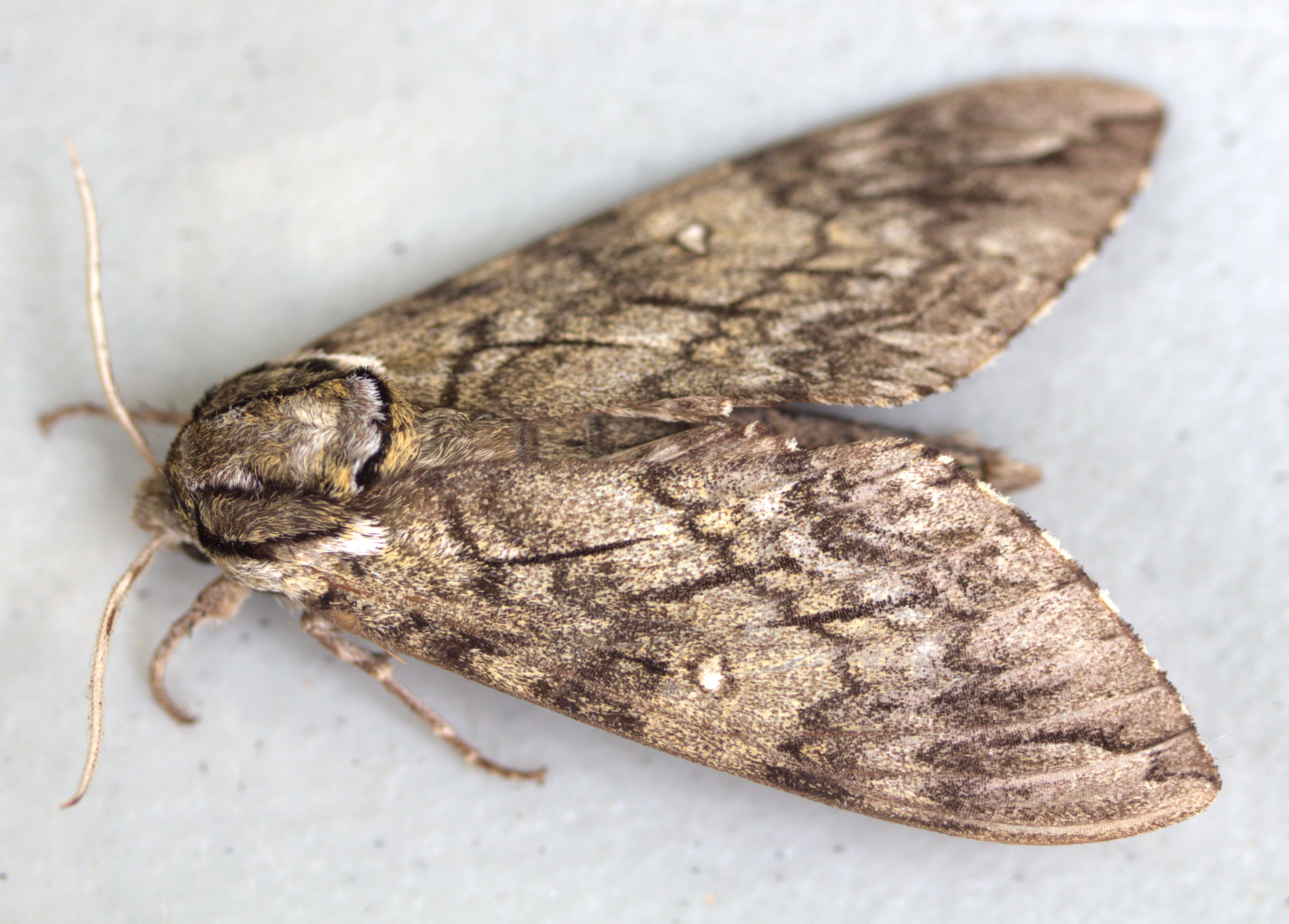
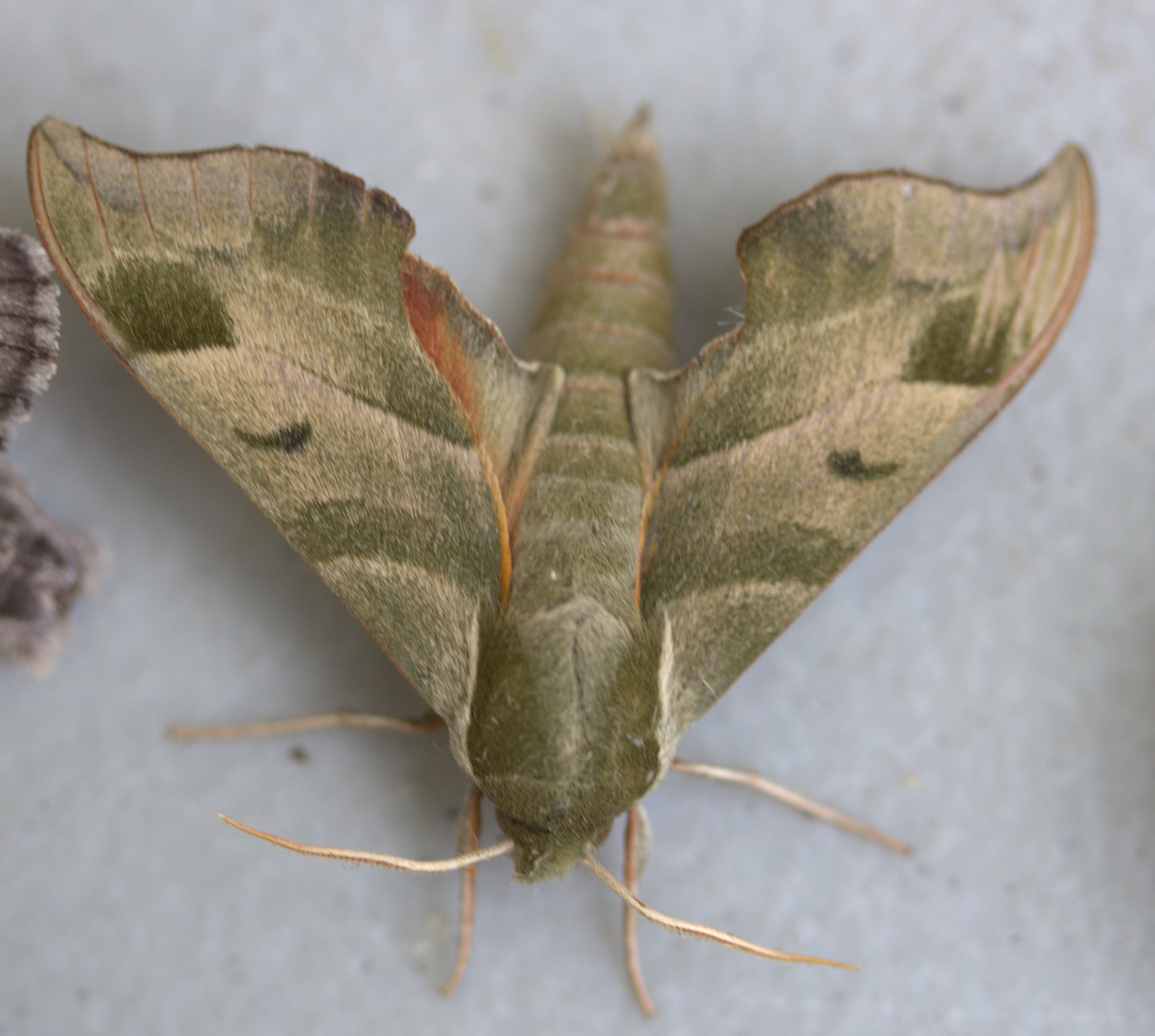
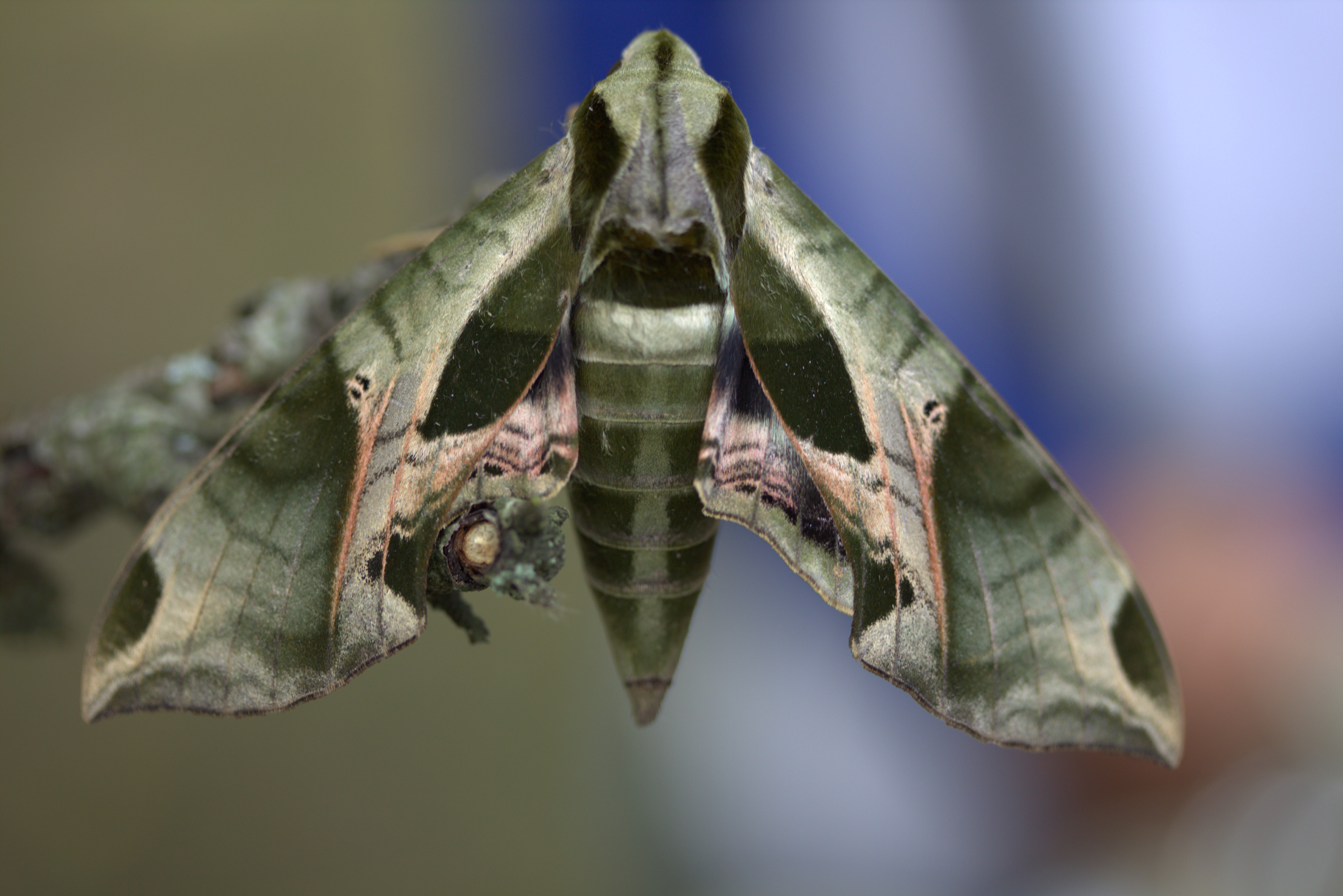
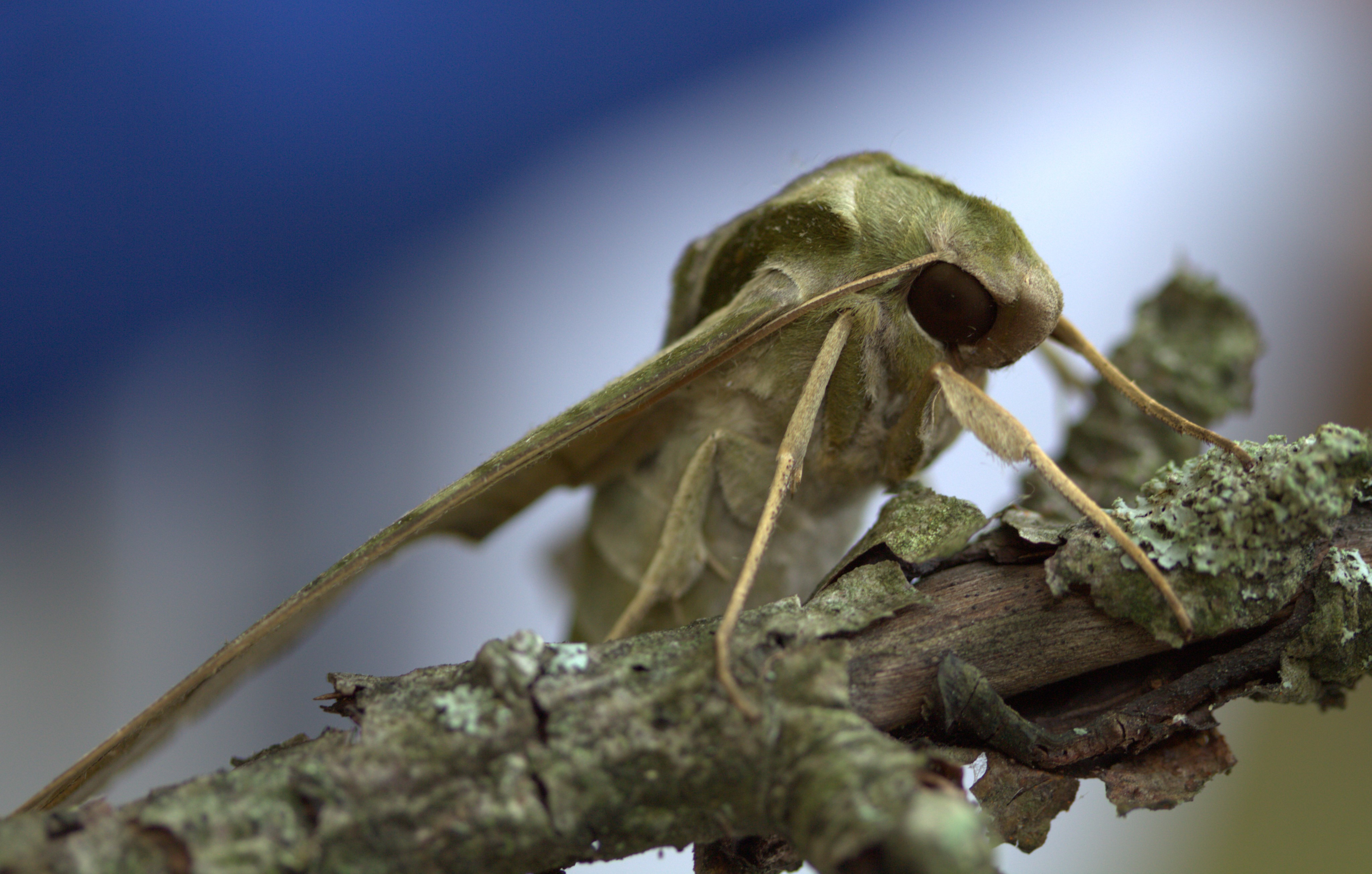
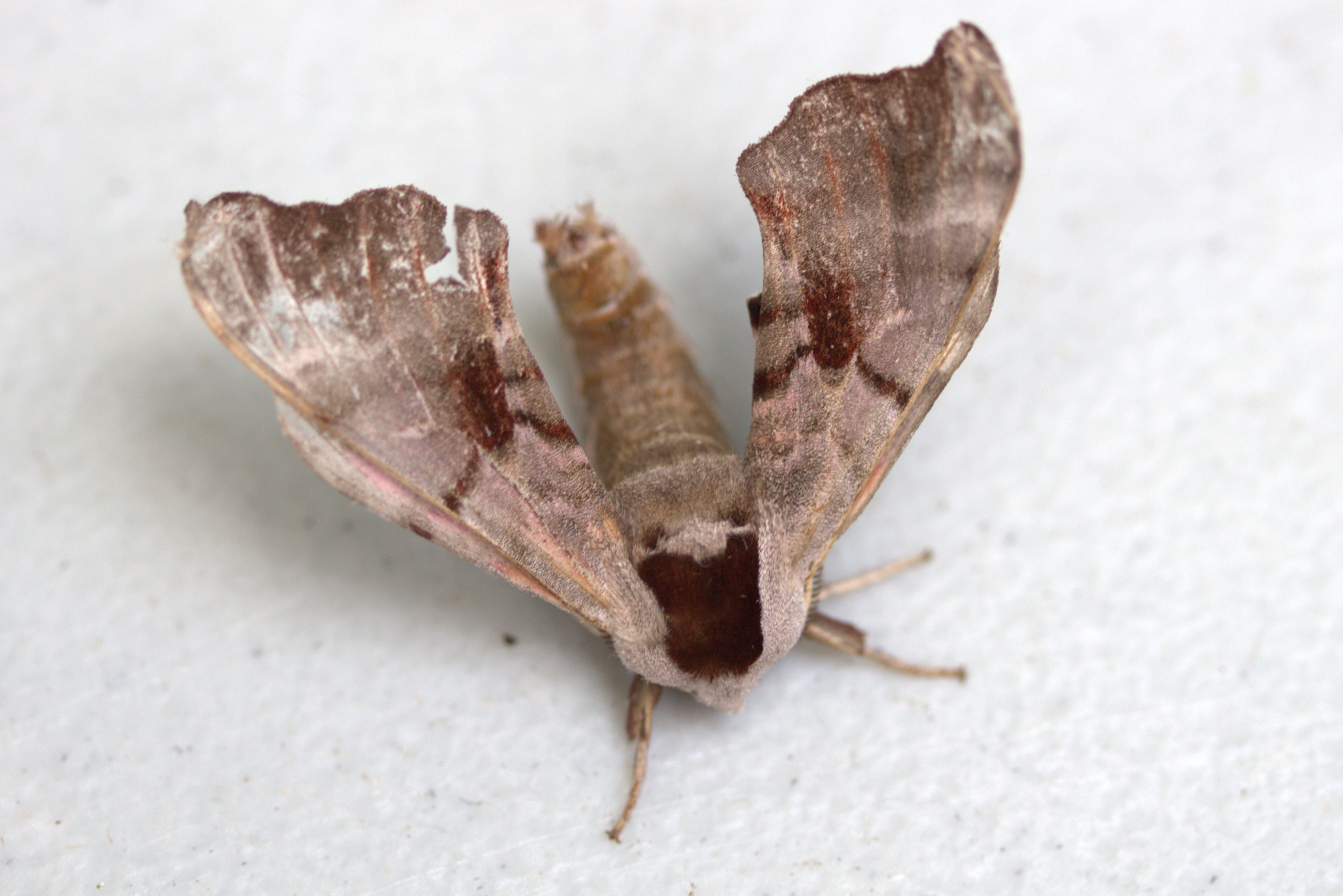
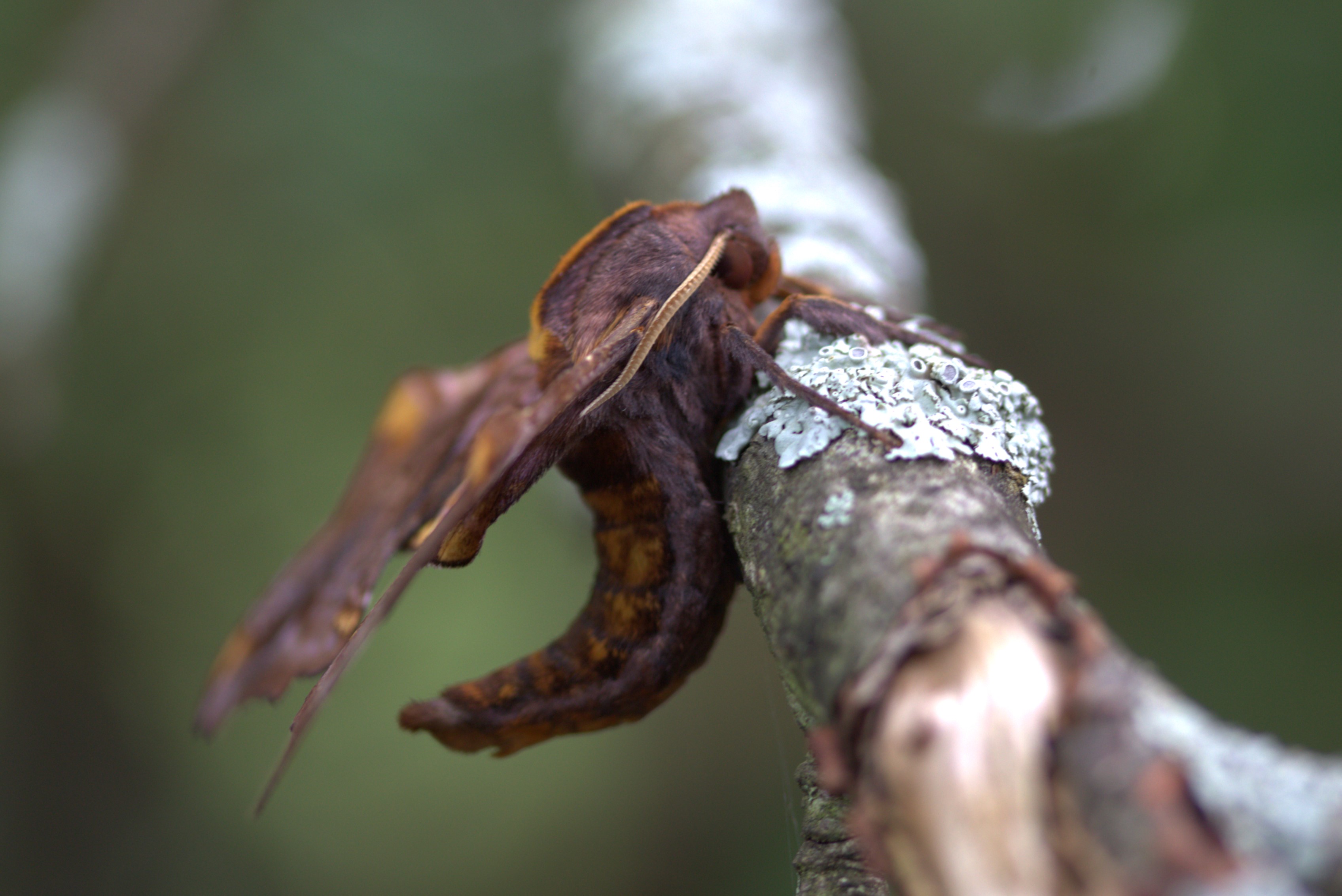
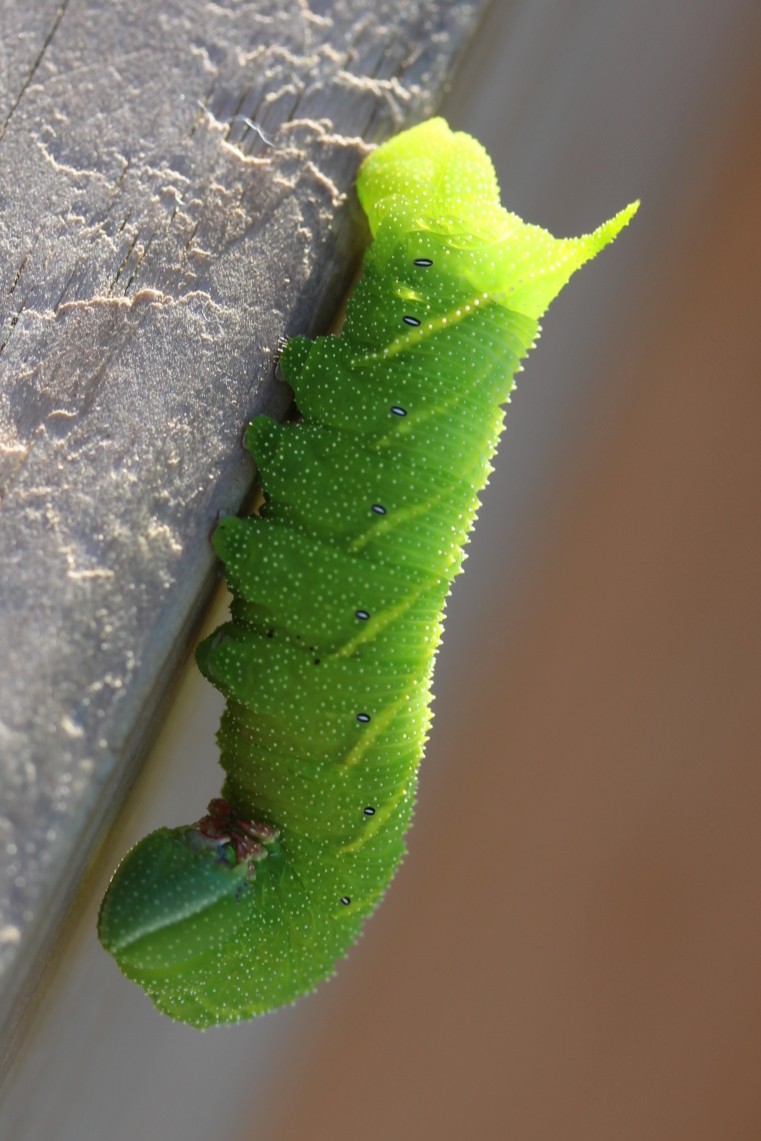
Sphinx Moths, or Hawk Moths (Family Sphingidae) are some of the largest moths in our area and are quite stunning to see. This family includes almost 1500 named species worldwide, and some very surprising members such as the Hummingbird Hawkmoths which are day-flying nectar feeders that look shockingly like insect hummingbirds. Larval Sphinx Moths are often called “Hornworms” because of the projections on some of their heads which resemble horns. Some hornworms are well known for their destructive feeding habits such as the Tomato/Tobacco Hornworm (Manduca sexta). Adult Sphinx moths feed at flowers with their long proboscis (Beadle and Leckie 2012).
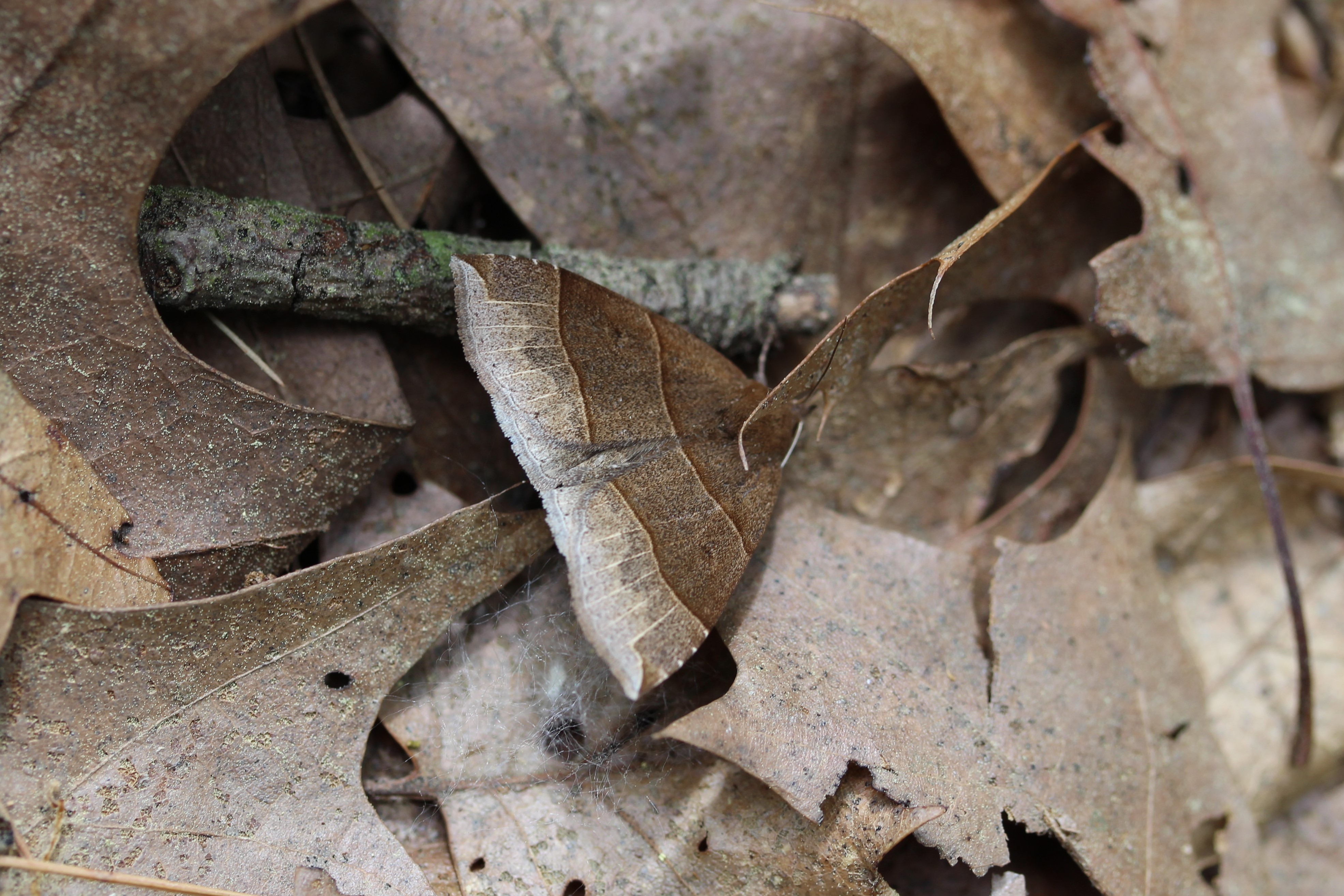
Subject: Maple Looper Moth (Parallelia bistriaris)
Location: Turkey Point Provincial Park.
Date: June 2018.
The Story behind the Shot: While hiking down a trail at Turkey Point Provincial Park, my wife somehow spotted this moth among the leaves which it matched so closely. I was overjoyed to get such a close-up shot of an amazingly camouflaged insect.
The Story behind the Species:
This moth could be the poster-child for camouflage. Such an elegant example of hiding-in-plain-sight. Positioned among fallen leaves which it matches in tone and general shape, this moth is incredibly hard to spot! To hide itself even more, the Maple Looper Moth positions itself head down, thus hiding its least leaf-like feature and accentuating the lighter edge of its hindwings (Keiper 1969).
The larvae of this superbly secretive moth are also camouflaged, resembling twigs rather than leaves.
Maple Looper Moth larva (or caterpillar) demonstrating both its twig mimicking colouration and its looping movement. Photo by Dan MacNeal, used with permission.
The larvae, unsurprisingly, feed on Maple leaves (Crumb 1956), but bugguide.net lists Birch and Walnut as food plants as well (https://bugguide.net/node/view/3356).
I’m glad to have found and captured a photograph of this mysterious moth. A beautiful secret of the forest floor.
Keiper, Ronald. 1969. “Behavioral Adaptations of Cryptic Moths IV. Preliminary Studies on Species Resembling Dead Leaves”. Journal of The Lepidopterist’s Society 23: 4: 205-210.
In the interests of my own personal goals to post at least once a month, I’m going to re-publish my very first post on my first iteration of the Norfolk naturalist blog, which was on tumblr. I’m planning to re-post all of my articles that I wrote on my tumblr on this site at some stage (possibly with some slight updates/alterations) since I would like them all in one place, and my own website seems like the best place to have that. So here is my first Norfolk Naturalist post, originally published on my tumblr back in 2018 (over 4 years ago!):
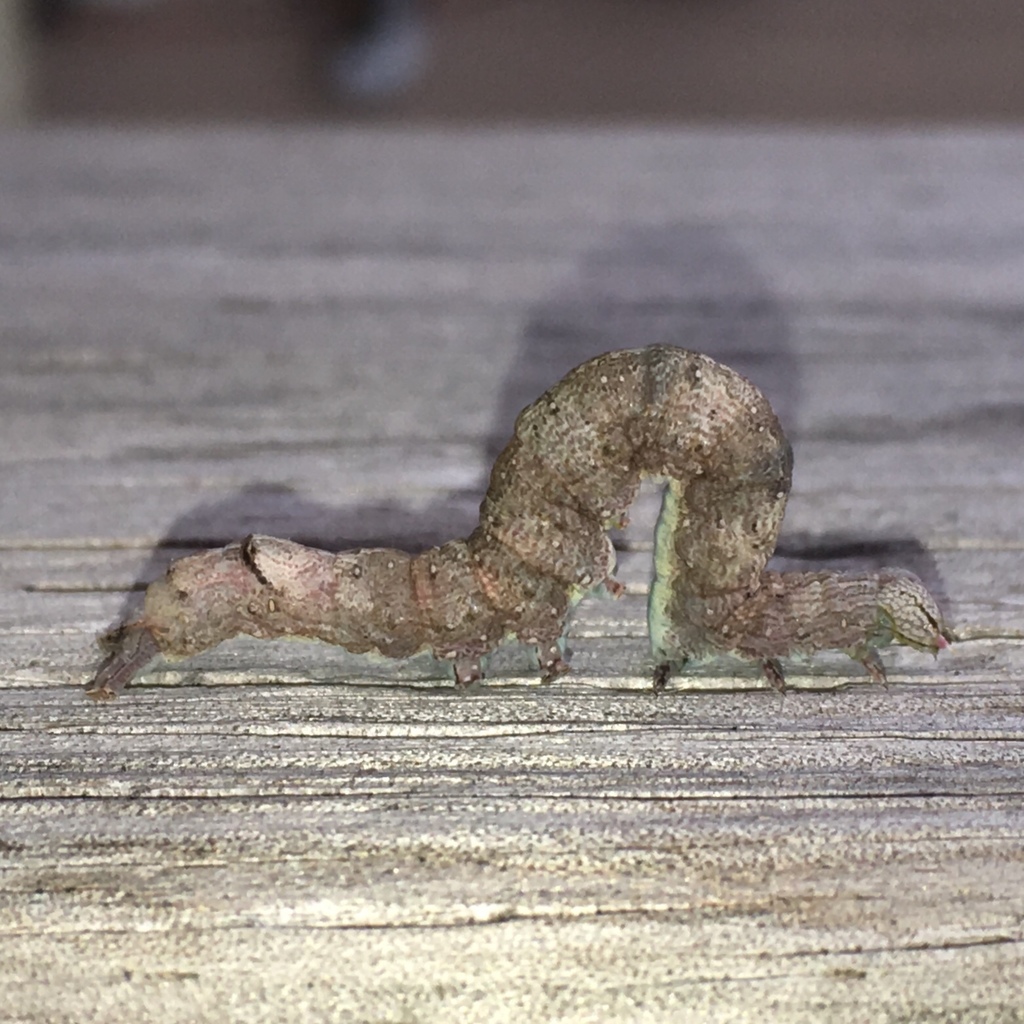
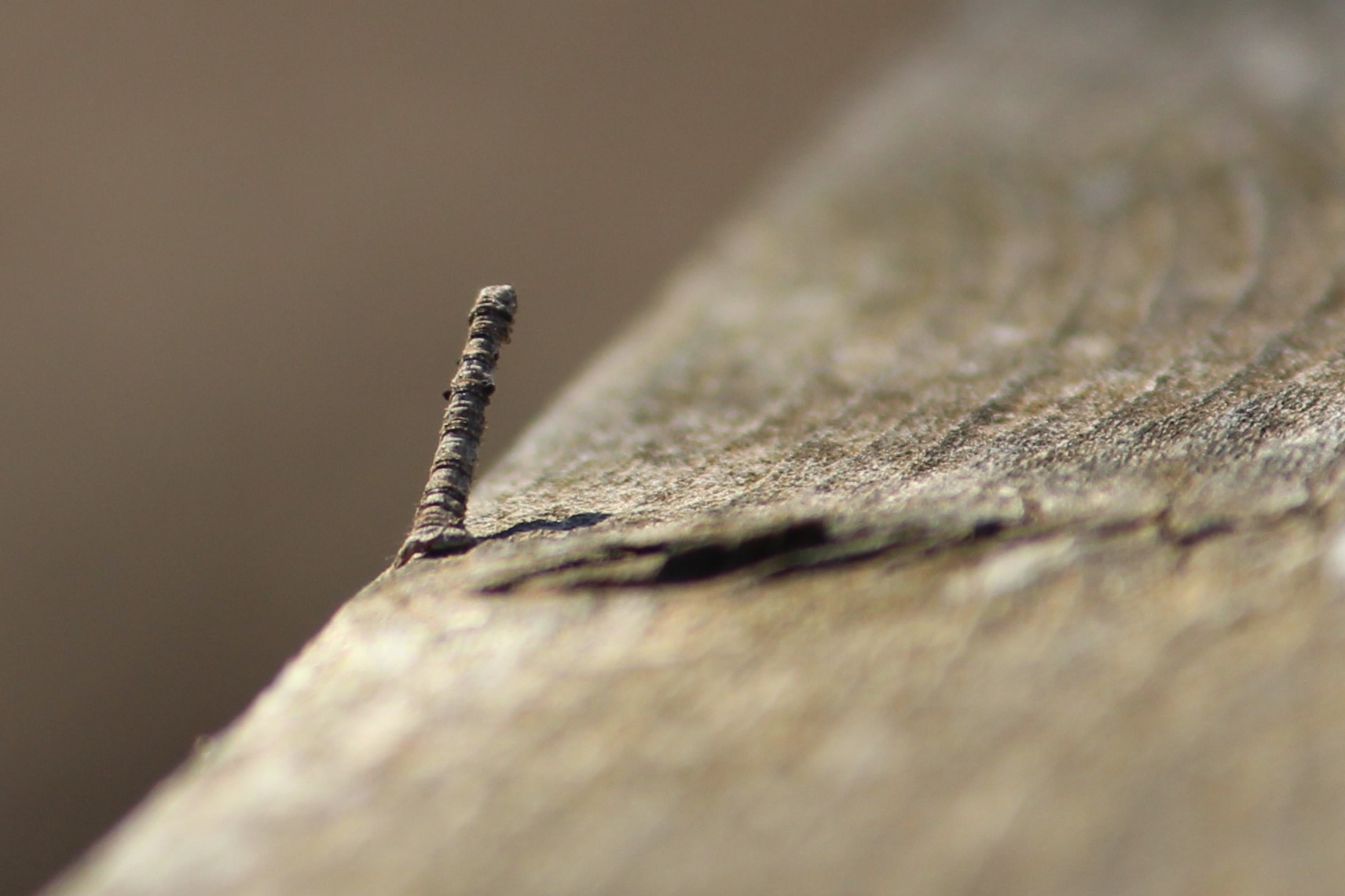
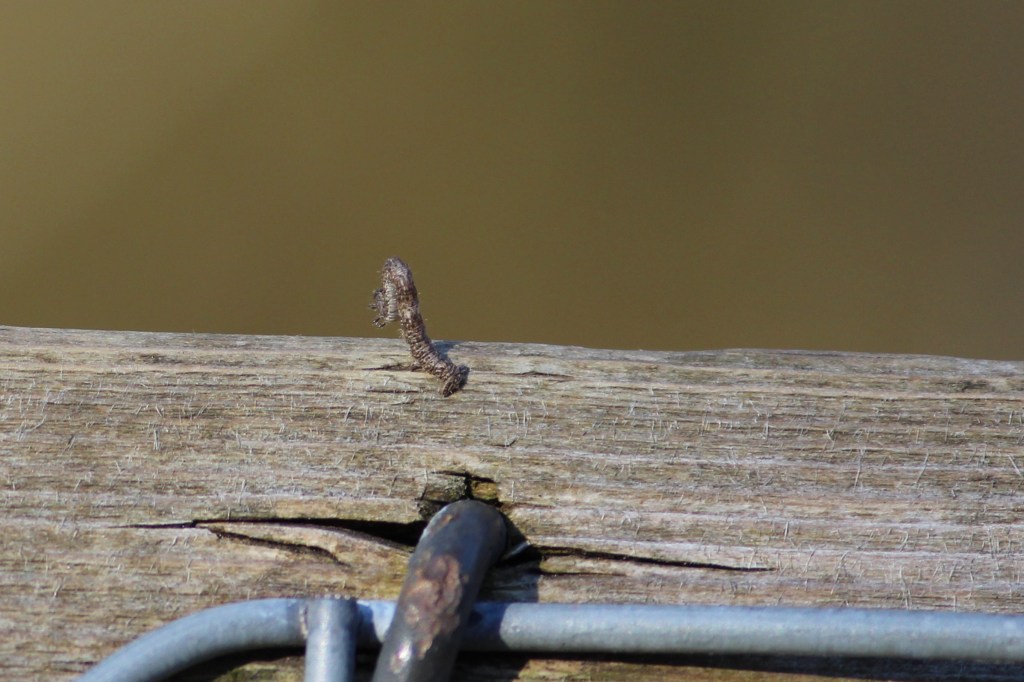
While walking the trail near my house, I spotted a twig in an unlikely spot. Instead of forming the final split of a growing or dead branch, the tiny twiglet (just larger than my fingernail) was jutting out into the air from the railing of the bridge. Something strange was going on. On closer inspection, it turned out not to be a twig at all. Rather, a caterpillar had chosen a poor and rather conspicuous spot to hide.
If this caterpillar had chosen a better location, it surely would have fooled me. Even where it was, it was extremely difficult to spot. The coloration and shape of its back was a perfectly mottled gray-brown, and its posture was that of a twig. It was thin-bodied and elongate, only about a millimeter around.
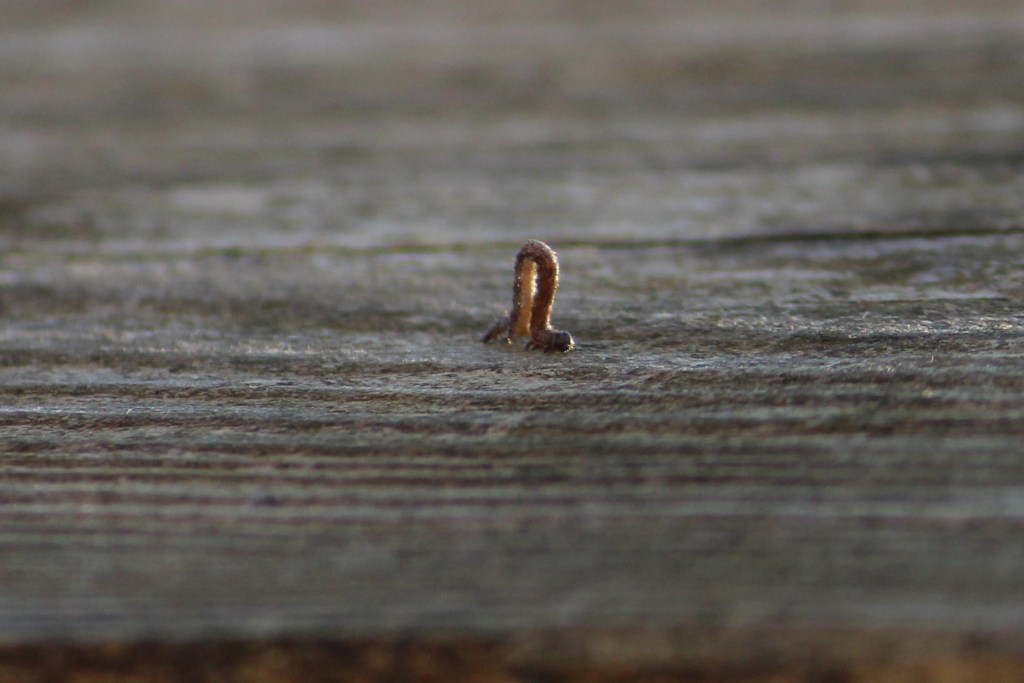
The caterpillar’s odd shape is provided by it having a large space between what are its true legs (the six legs just behind the head) and its ‘prolegs’ which are fleshy stubs coming off of its abdomen. This large space also causes these caterpillars to move in a unique fashion. They lift the front group of legs and extend it forward, reaching ahead and securing themselves there. Then they lift their rear group of legs and move them forward to reconnect with the front legs. Once together, the rear legs hold their place and the caterpillar once more reaches forward with its front legs. This “inching along” process provides this group of caterpillars with their name: the Inchworms (Family Geometridae).
A caterpillar’s main predators are birds which hunt visually. If the caterpillar appears to be something other than a morsel to a hungry bird, then it has succeeded and survived another moment. This type of behavior has a technical name: “crypsis” or “cryptic behavior”, which just sounds amazing. It strikes this cryptic pose when threatened, and so effectively disappears from a hunting bird’s search. I suppose it must have assumed this position when I walked near, thinking me to be hunting it for food. In reality, I was hunting only for a few pictures.
I hope you enjoyed that “repost” from the older version of norfolk naturalist blogging. I promise I’m still working on My Top 20 Nature Photos of 2013-2020 series and I also have several other posts about more recent nature sightings in the works. Hopefully April will be a more productive writing month!







 Norfolk Naturalist