It’s that time of year again, when I review the past year of blogging and reading, as well as the last year of photos. The photos will be showcased in the next blog post, sometime in December. This post will be all about my past blogging year (Dec 2022-Nov 2023) since this is the anniversary of my first blogpost on this site. Here we go!

The first article after last years blogversary article was the start of a new tradition, my blogging year top photos! (Norfolk Naturalist Year in Photos (Dec 2021-Nov 2022)) I plan to do the same thing this year, so keep an eye out for my next photo roundup post sometime in December.
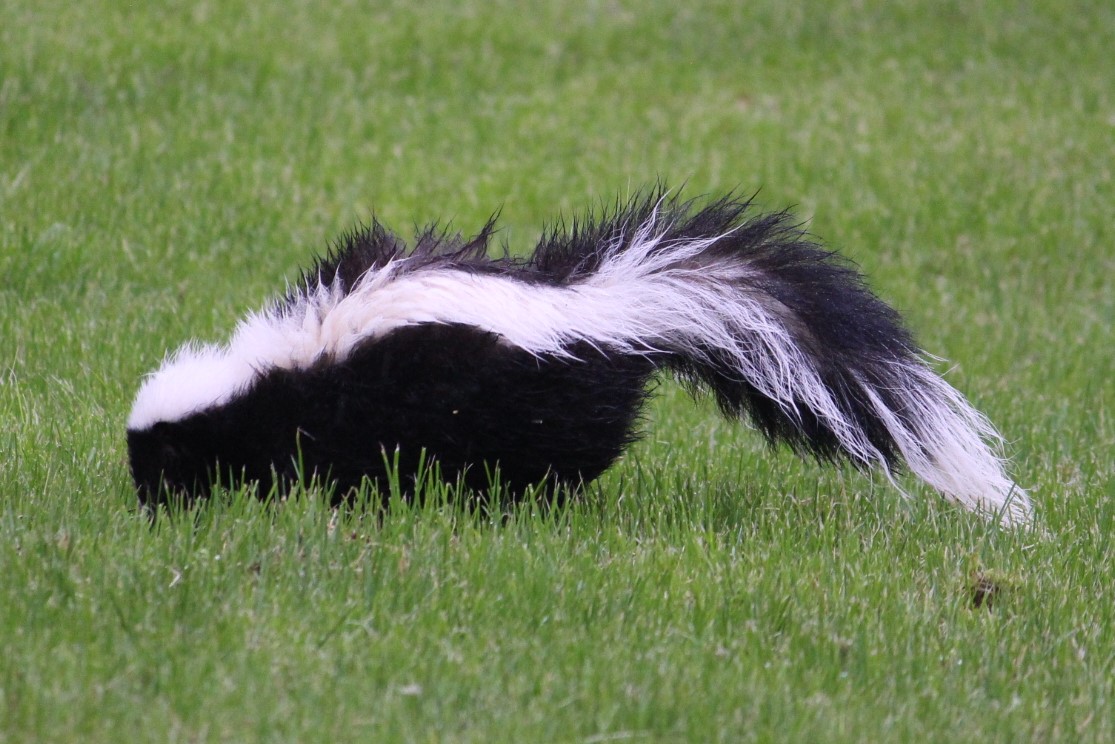
In August 2022, I went on a night hike to listen to bats and it was an incredible experience. So incredible that I wrote a post about it: Flying Creatures of the Night. Then I wrote a post about one of the two bat species we observed on that night hike, Big Brown Bat.

In March, I finally completed a book review I’ve been working on for a while for Terns, by David Cabot and Ian Nisbet. Then in April, another Norfolk Field Naturalist outing inspired me to write an article, this time about the American Woodcock: The American Woodcock in Literature and in Life.
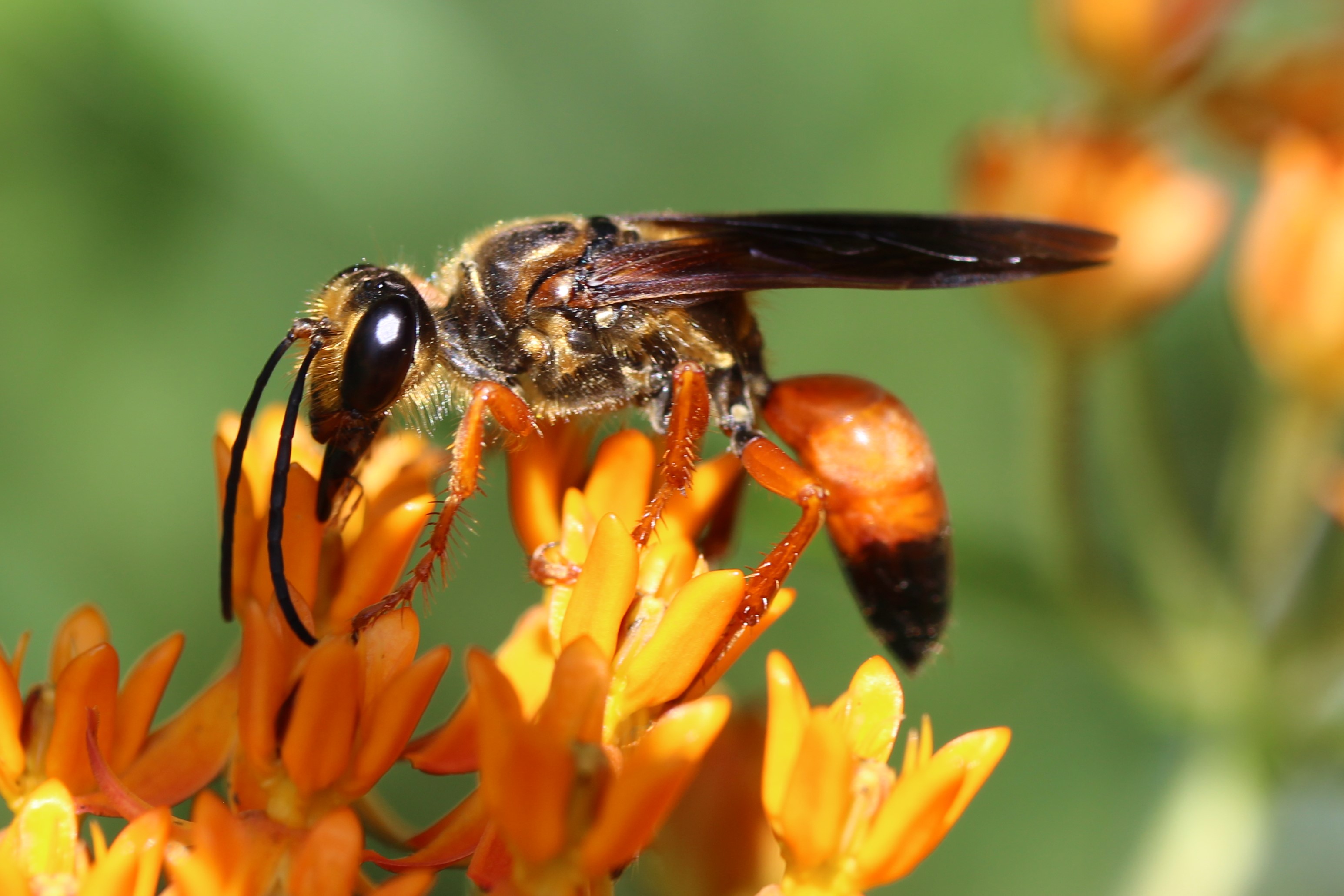
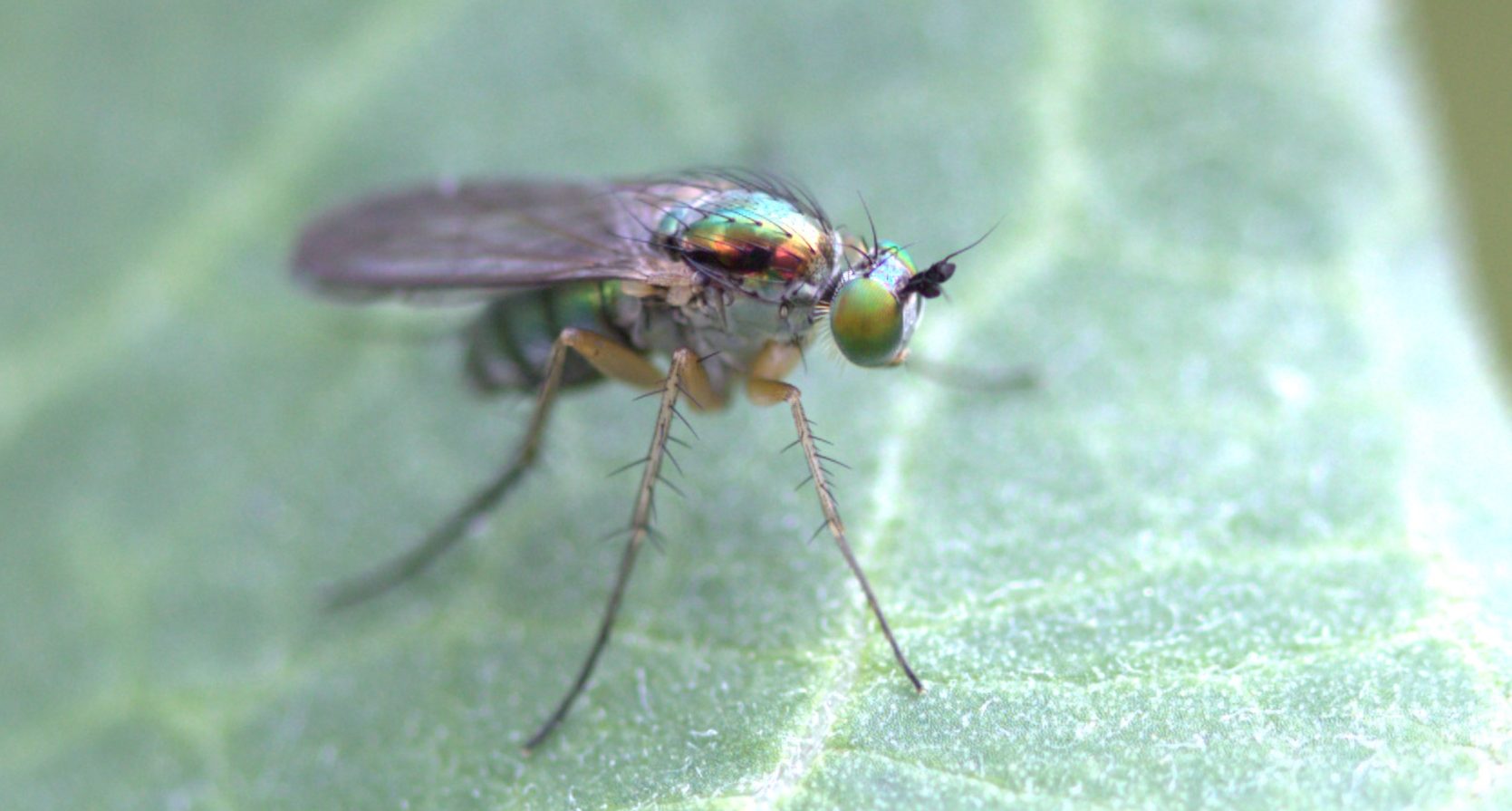
Over the rest of the year, I completed some more of My Top 20 Nature Photos of 2013-2020… of which there are still over half to come… But anyway, I wrote about a Spring Peeper, a Leafhopper, a Maple Looper Moth, and a Common Compost Fly.
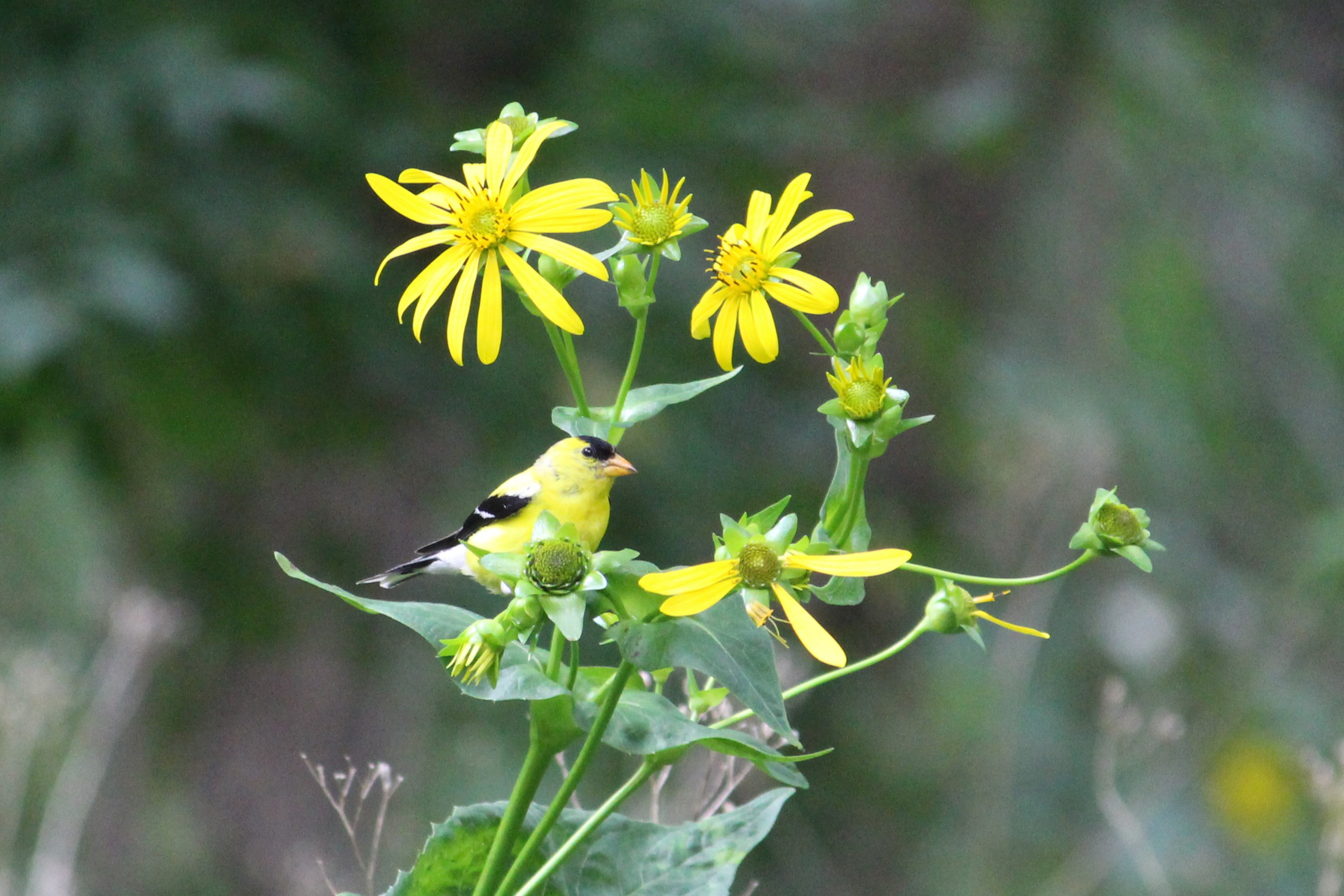
Between these, I published an article about my observations on one of my camping trips this past summer, to Port Burwell. I went on 2 other significant camping trips, one to Algonquin and another to Pinery Provincial Park. I’d like to write up my observations on both of those trips as well (I saw lots of neat creatures as always), but haven’t finished writing about them yet.

In September, I finished a post that I have been working on in the background for a long time, about the beautiful fly genus: Callopistromyia, the Peacock Flies. And in October, I reposted one of my tumblr blog posts: Hidden Worlds, a post about some of my early explorations with my macro lens and the world of springtails.
And as usual, here is a list of the nature-related books that I read during the past blogging year, with short reviews/thoughts:
A Small Porch, by Wendell Berry:
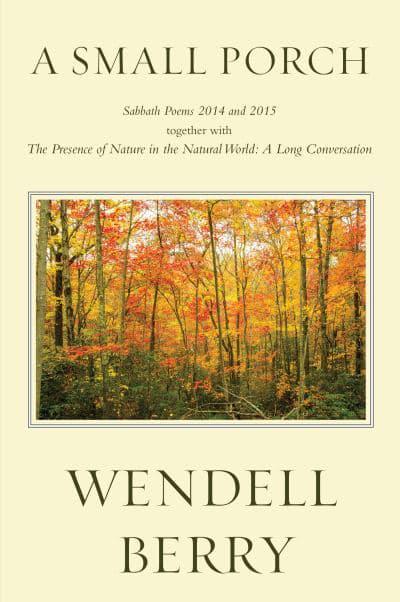
In this collection of poetry, some were quite beautiful, the ones which invoked a sense of being outside in nature experiencing the curiosity and wonder of trees and birds and flowers, and the turning of seasons. The Essay which makes up a third of this collection was quite fascinating with lots to think about and much to challenge the way we think about land use. Powerful stuff that I will certainly be thinking about into the future.
Great Lakes Nature: An Outdoor Year, Revised and in Color, by Mary Blocksma:
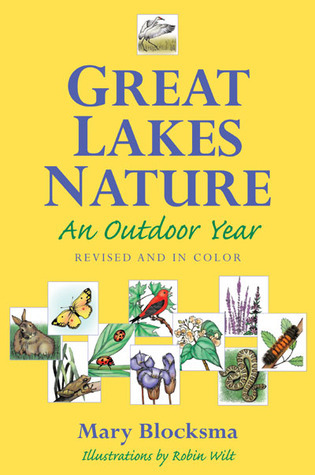
Very nice short articles about different nature observations throughout the year, with nice small illustrations and with a focus on identification. No scientific names, which was a negative for me (because I like scientific names). For someone just getting into an awareness of the natural world around them I would say this book is an excellent way to make nature observation and identification a habit. For myself, already having established nature observation as a habit I didn’t find it as interesting or useful.
The Guests of Ants: How Myrmecophiles Interact with Their Hosts, by Bert Holldobler and Christina L. Kapwich:

Wonderful exploration of the fascinating world of Ant Guests, those organisms that have made their way into ant colonies (or in/on the ants themselves). There are detailed case studies, tantalizing avenues for further study, and marvels on every page. The images are incredible and the stories of the myrmecophiles are often jaw-dropping. More of a sequel to “The Superorganism” in style and coverage than “The Ants”.
The Handbook of Bird Families, by Jonathan Elphick:

Excellent at conveying the global diversity of birds (there are almost 11 000 species named and I found myself encountering genera and families that I had never heard of before on a regular basis within). The photographs are excellent, though often small. The text is also very small print, which could be a challenge to some readers.
Each family of birds receives at least 1 or two paragraphs of broad overview as well as a fact-box with quick stats, some families which are hyper-diverse being allotted 3-5 pages of text. The text mainly catalogues diversity, by describing which subfamilies the family is divided into, how many and which genera are in what parts of the world and brief snippets of natural history and behaviour throughout.
There were editorial errors on a regular basis unfortunately… it felt like paragraphs had been reassigned to different Bird Families after being written because of taxonomic changes or as though they were pieces of a previous book, shifted into a new context without being thoroughly proofread. This caused some confusion, but not too much, and overall the amount of information within about bird diversity was absolutely worth the occasional re-read of a confusing paragraph. I think it could have used a more thorough editor but overall a very good book cataloguing the world’s avi-fauna.
Frogs and Toads of the World (2011), by Chris Mattison:
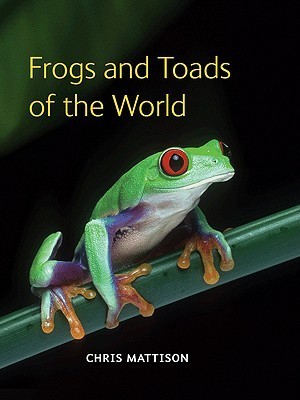
Amazing tour through the diversity of Frogs and Toads throughout the globe. With a species count of 5000+ this 200 page book can only serve as an introduction to the true diversity of the group, but as such an introduction it works well, full of excellent photos and informative text.
Cranes of the World, by Paul Johnsgard:
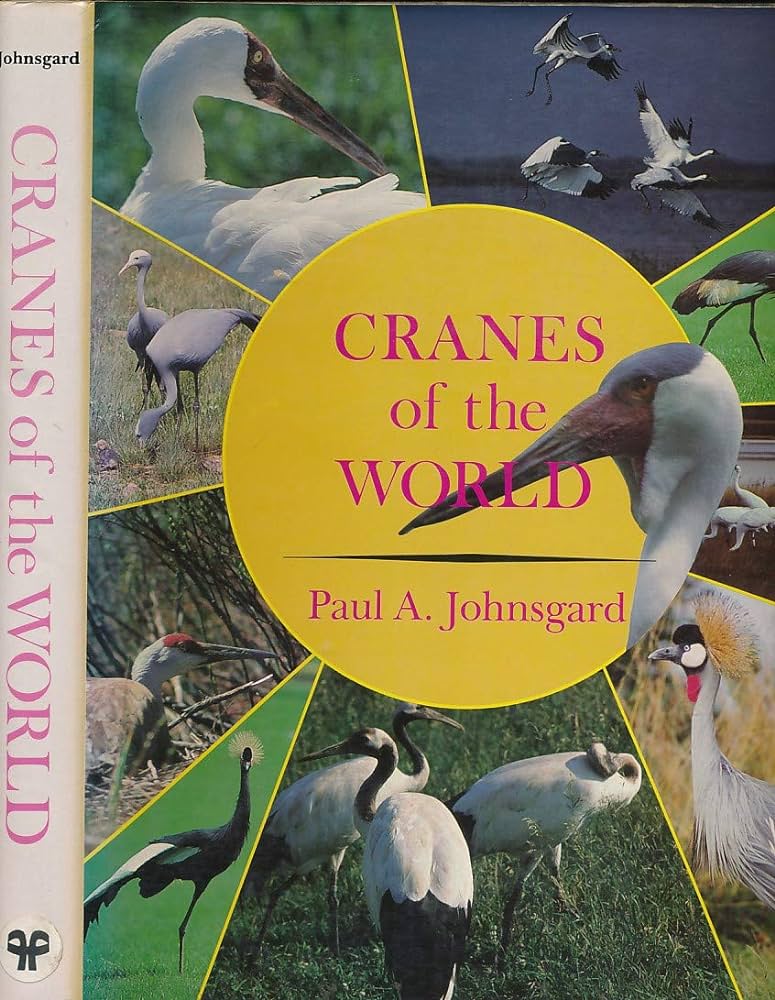
While dated, this book provided an excellent summary of what was known about Cranes (fascinating birds of the Family Gruidae) throughout the world in the 1980s. I uncovered many interesting facts about these beautiful birds within. I found the species accounts (which make up the majority of the book) to be somewhat dry but the book is designed to be a reference work, so I can’t blame it for laying out the facts systematically. It remains the only book of its kind as far as I can tell and it’s freely available online: https://digitalcommons.unl.edu/cgi/vi…
So if you’re interested in Cranes, check it out!
The Best Of The Raven: 150 Essays From Algonquin Park’s Popular Newsletter, by Dan Strickland and Russ Rutter:

I read these natural history essays while camping at Algonquin Park (2 trips), and thoroughly enjoyed them. Full of information that brings you deeper into the fascinating natural world surrounding you in Algonquin Park, amazing.
Consider Her Ways, by Frederick Philip Grove:
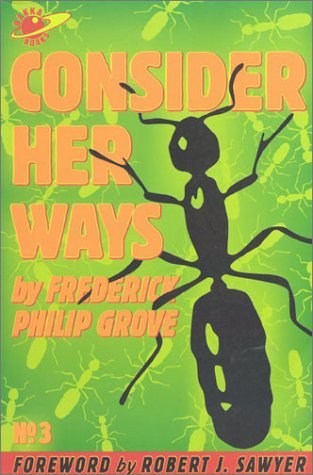
This book was so much fun. An expedition of leafcutter ants goes forth into the unknown continent of what we call North America. Along the way they encounter new species of ants with new ways of living and document their astounding discoveries into the world of humanity and ant-kind.
The journey is epic, the philosophies discussed by the ants are fascinating and relevant, and there is even an amazing ‘cameo’ by a famous myrmecologist. The format of the book is so much fun, with footnotes lending the document a verisimilitude that I loved (for example the human discoverer of the document mentions his confusion at certain phrases but opted to leave them in for completeness). The ending was rather abrupt and I was a little disappointed that the main encounters and discoveries discussed were limited to ants and humans rather than any other species that the ants would have encountered.
Overall, a very fun read, a tour through the world of ant diversity told from the perspective of some ants themselves. Amazing.
The Nature of Oaks: The Rich Ecology of Our Most Essential Native Trees, by Douglas W. Tallamy:
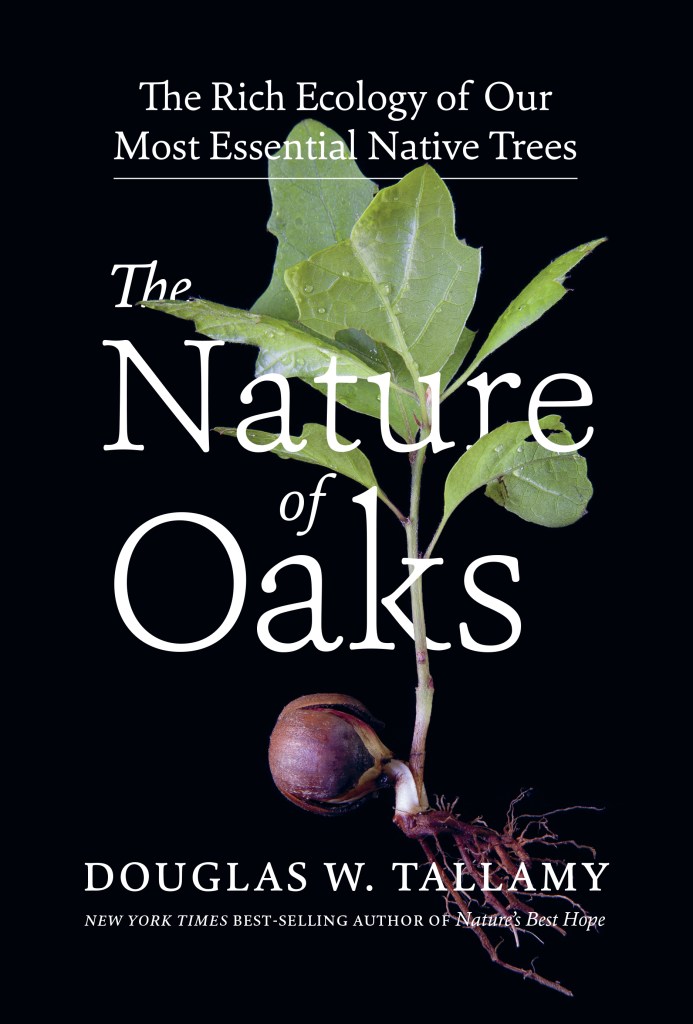
The book moves through the year month by month describing the various ecological happenings on oak trees during those months. So I read through the book in that way, reading each month as it was happening around me. Interesting, learned lots, and I now pay more attention to Oak trees when I find them.
That wraps up my blogversary article for this year! Hope you enjoyed the brief tour of my nature writing/reading year. Next up will be my roundup of top nature photos from this past year, stay tuned!
For previous blogversary articles, see below:
–Happy Birthday, Norfolk Naturalist!


 Norfolk Naturalist