Categories
Blogversary

Happy 4th Birthday, Norfolk Naturalist!

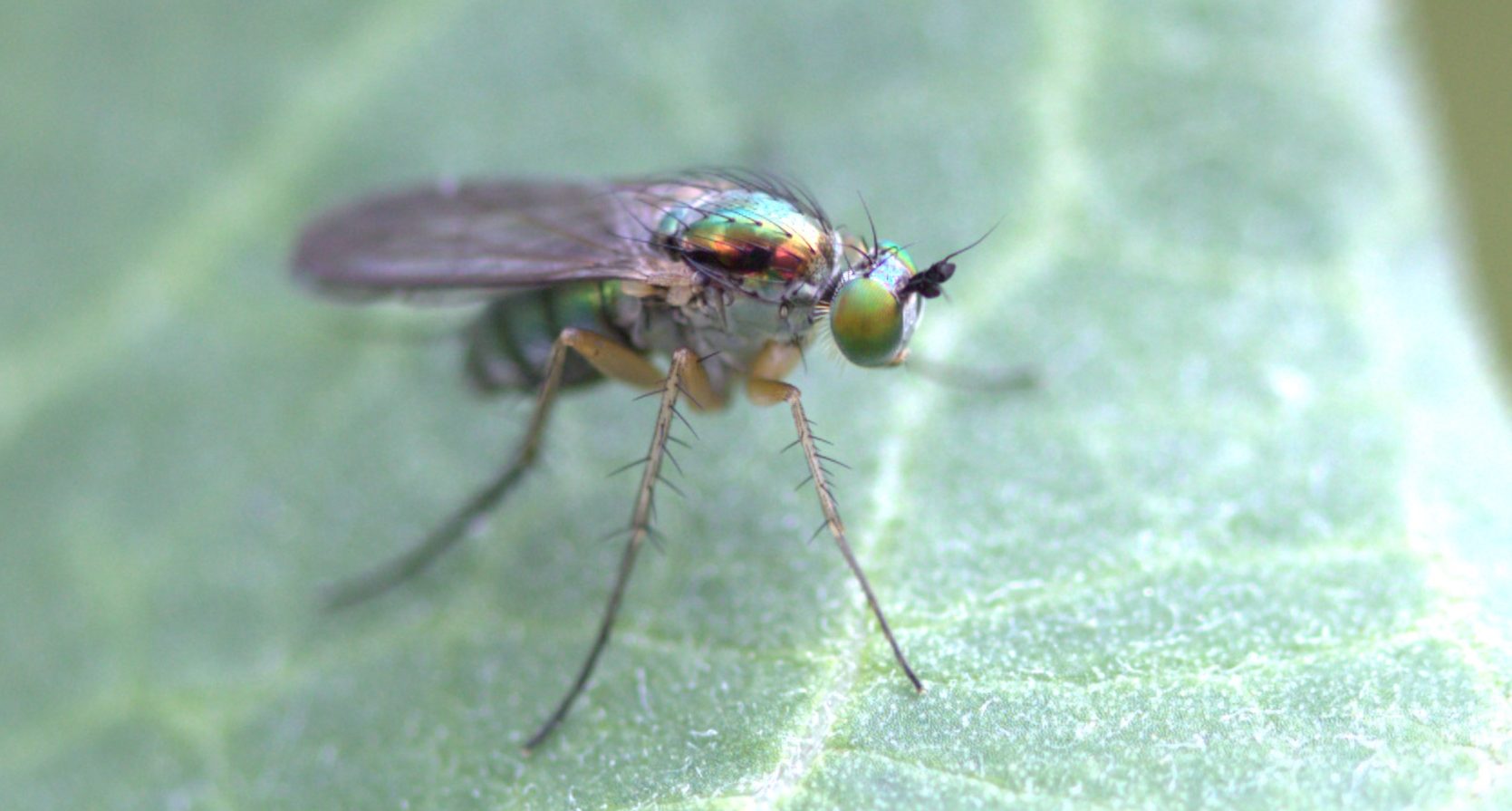
Dance Fly of the genus Dolichopus in my backyard.

It’s that time of year again, when I review the past year of blogging and reading, as well as the last year of photos. The photos will be showcased in the next blog post, sometime in December. This post will be all about my past blogging year (Dec 2022-Nov 2023) since this is the anniversary of my first blogpost on this site. Here we go!

Garter Snake on the Lynn Valley Trail.

The first article after last years blogversary article was the start of a new tradition, my blogging year top photos! (Norfolk Naturalist Year in Photos (Dec 2021-Nov 2022)) I plan to do the same thing this year, so keep an eye out for my next photo roundup post sometime in December.
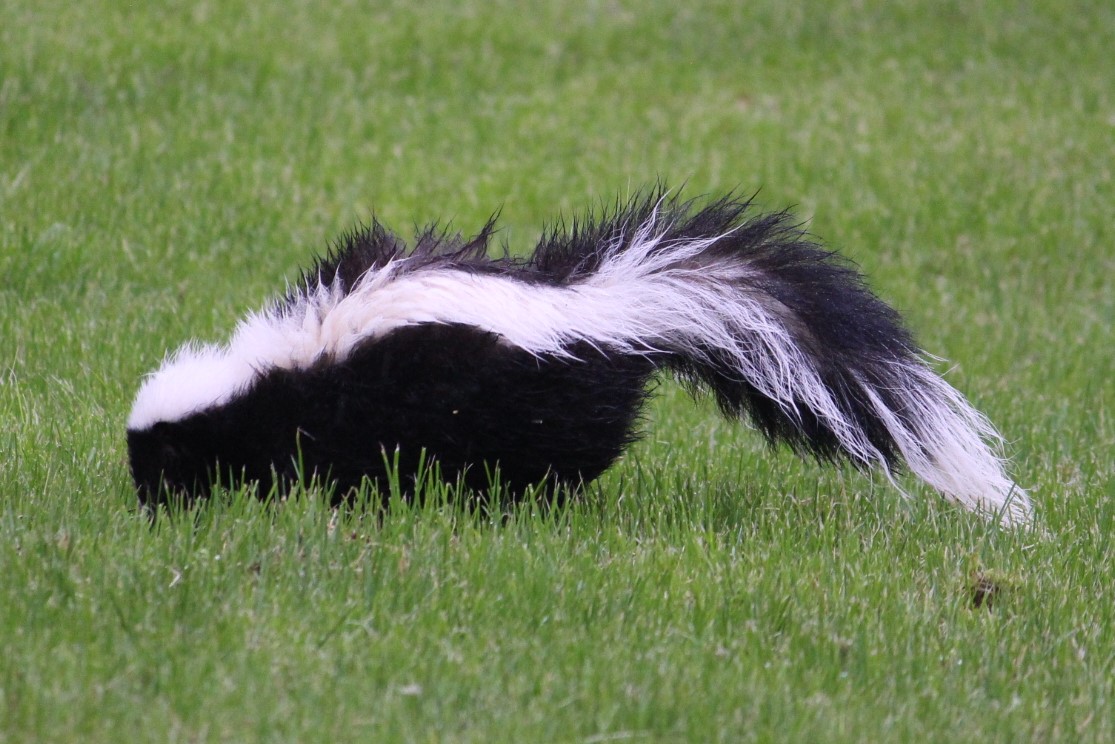
Striped Skunk in my backyard, affectionately named by my son, “Jam”.

In August 2022, I went on a night hike to listen to bats and it was an incredible experience. So incredible that I wrote a post about it: Flying Creatures of the Night. Then I wrote a post about one of the two bat species we observed on that night hike, Big Brown Bat.

Slug on the Lynn Valley Trail, affectionately named by my son, “Trail”.

In March, I finally completed a book review I’ve been working on for a while for Terns, by David Cabot and Ian Nisbet. Then in April, another Norfolk Field Naturalist outing inspired me to write an article, this time about the American Woodcock: The American Woodcock in Literature and in Life.
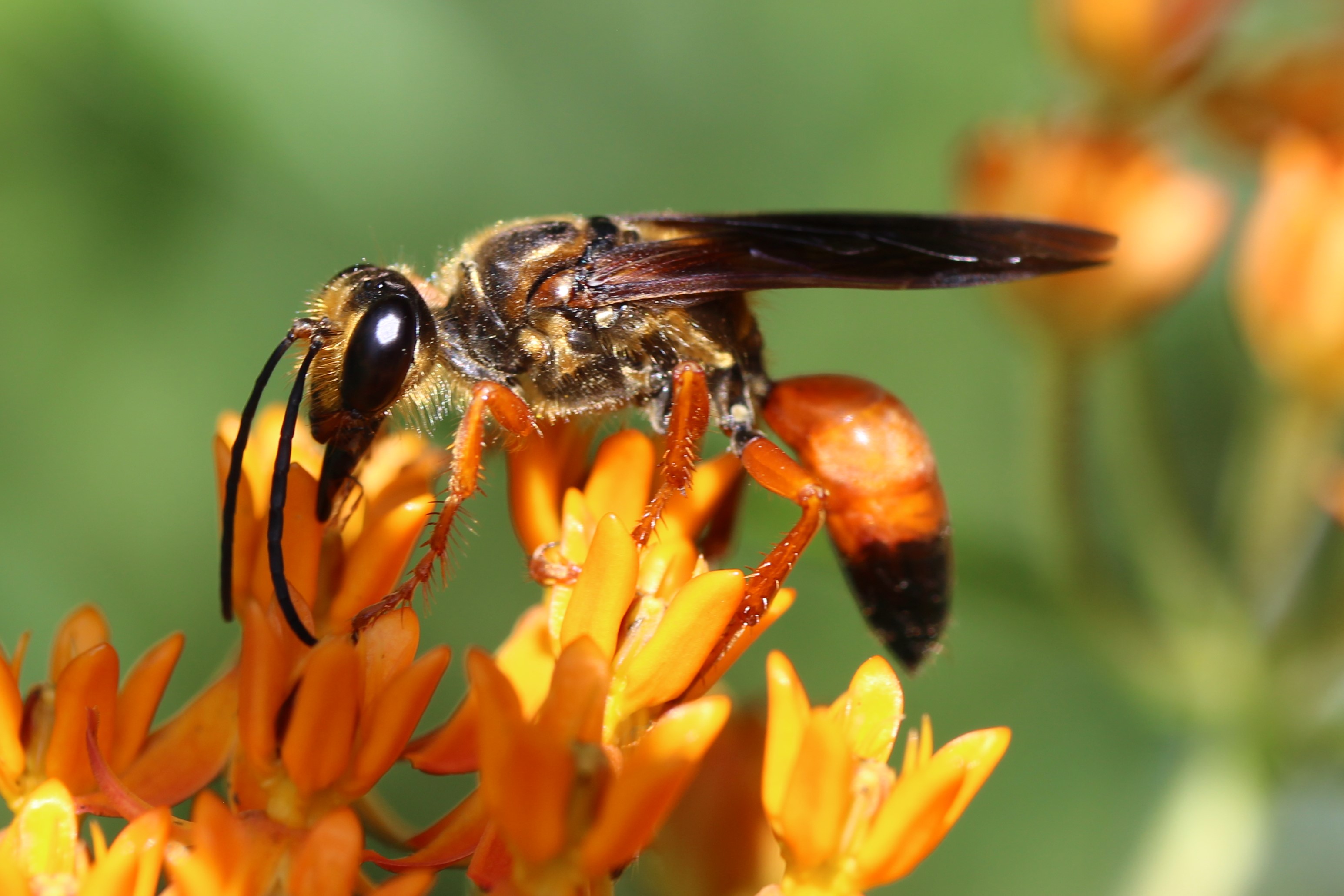
Great Golden Digger Wasp (one of my new favourites) in my backyard.

Over the rest of the year, I completed some more of My Top 20 Nature Photos of 2013-2020… of which there are still over half to come… But anyway, I wrote about a Spring Peeper, a Leafhopper, a Maple Looper Moth, and a Common Compost Fly.
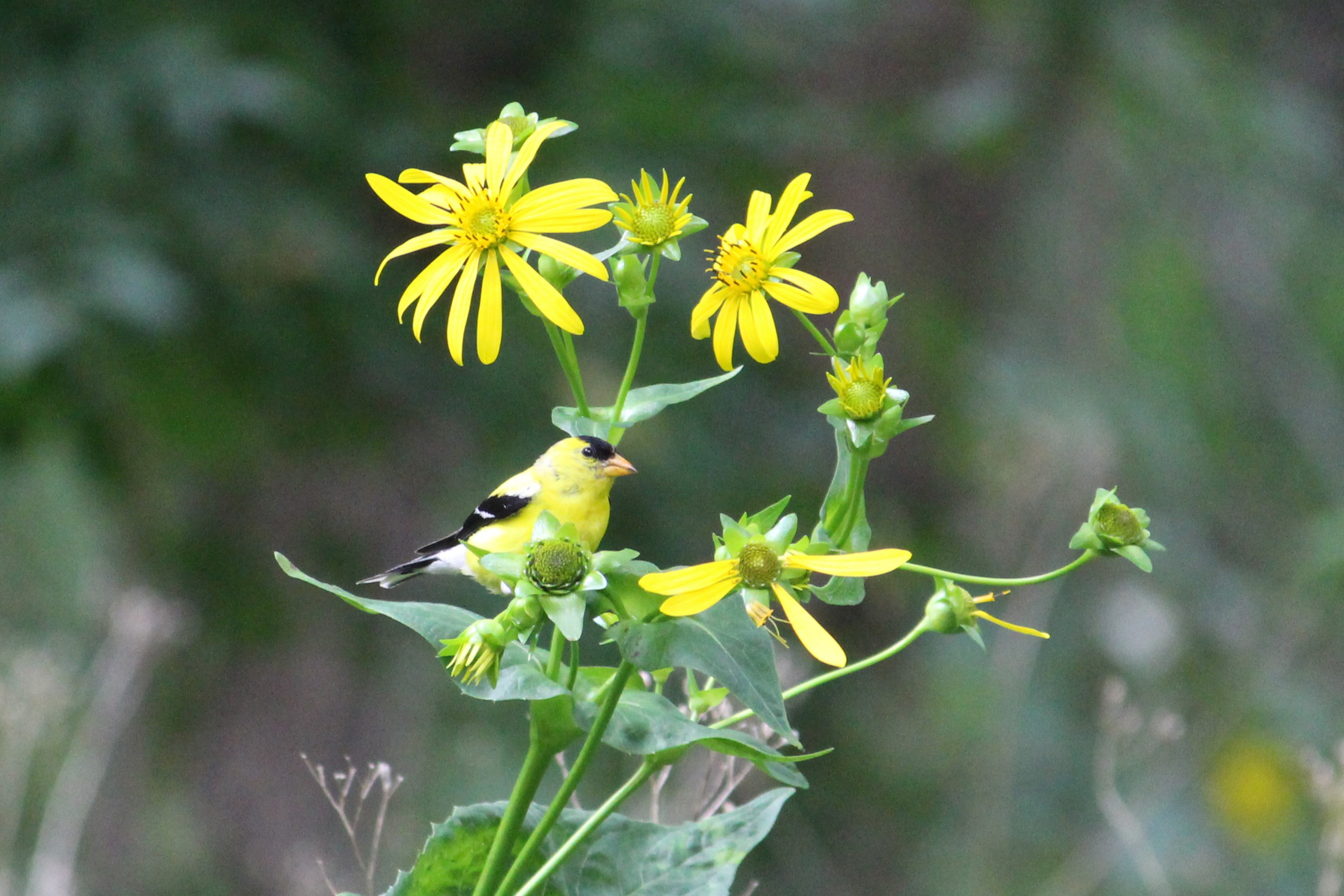
Goldfinch at the Royal Botanical Garden trails in Hamilton.

Between these, I published an article about my observations on one of my camping trips this past summer, to Port Burwell. I went on 2 other significant camping trips, one to Algonquin and another to Pinery Provincial Park. I’d like to write up my observations on both of those trips as well (I saw lots of neat creatures as always), but haven’t finished writing about them yet.

American Toad, in the RBG trails.

In September, I finished a post that I have been working on in the background for a long time, about the beautiful fly genus: Callopistromyia, the Peacock Flies. And in October, I reposted one of my tumblr blog posts: Hidden Worlds, a post about some of my early explorations with my macro lens and the world of springtails.
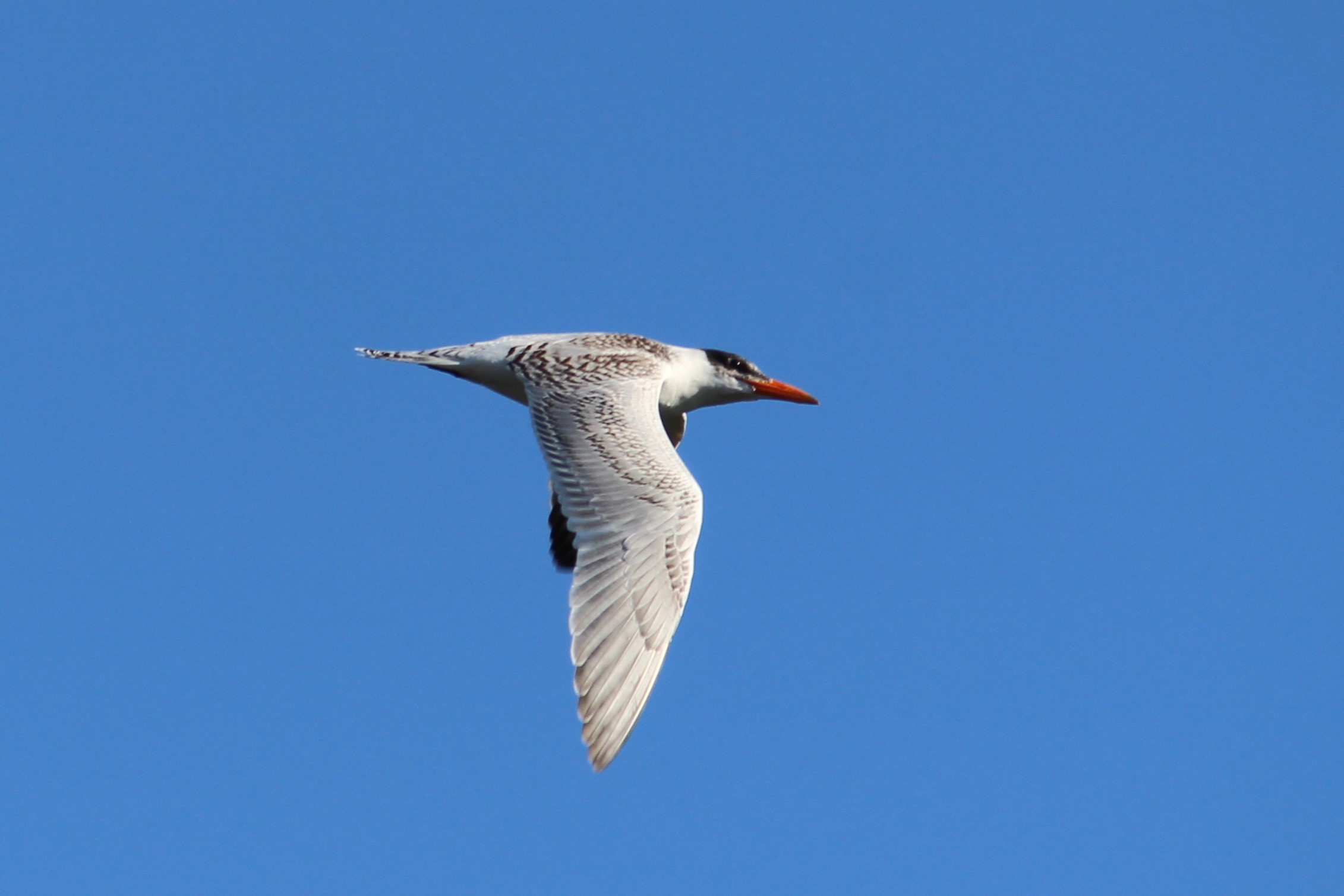
Caspian Tern, at Waterford Ponds.

And as usual, here is a list of the nature-related books that I read during the past blogging year, with short reviews/thoughts:

A Small Porch, by Wendell Berry:
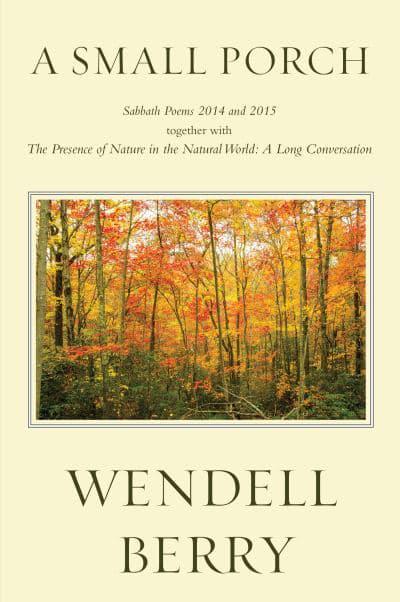
In this collection of poetry, some were quite beautiful, the ones which invoked a sense of being outside in nature experiencing the curiosity and wonder of trees and birds and flowers, and the turning of seasons. The Essay which makes up a third of this collection was quite fascinating with lots to think about and much to challenge the way we think about land use. Powerful stuff that I will certainly be thinking about into the future.

Great Lakes Nature: An Outdoor Year, Revised and in Color, by Mary Blocksma:
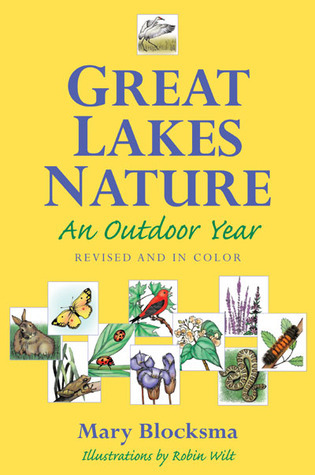
Very nice short articles about different nature observations throughout the year, with nice small illustrations and with a focus on identification. No scientific names, which was a negative for me (because I like scientific names). For someone just getting into an awareness of the natural world around them I would say this book is an excellent way to make nature observation and identification a habit. For myself, already having established nature observation as a habit I didn’t find it as interesting or useful.

The Guests of Ants: How Myrmecophiles Interact with Their Hosts, by Bert Holldobler and Christina L. Kapwich:

Wonderful exploration of the fascinating world of Ant Guests, those organisms that have made their way into ant colonies (or in/on the ants themselves). There are detailed case studies, tantalizing avenues for further study, and marvels on every page. The images are incredible and the stories of the myrmecophiles are often jaw-dropping. More of a sequel to “The Superorganism” in style and coverage than “The Ants”. 

The Handbook of Bird Families, by Jonathan Elphick:

Excellent at conveying the global diversity of birds (there are almost 11 000 species named and I found myself encountering genera and families that I had never heard of before on a regular basis within). The photographs are excellent, though often small. The text is also very small print, which could be a challenge to some readers.

Each family of birds receives at least 1 or two paragraphs of broad overview as well as a fact-box with quick stats, some families which are hyper-diverse being allotted 3-5 pages of text. The text mainly catalogues diversity, by describing which subfamilies the family is divided into, how many and which genera are in what parts of the world and brief snippets of natural history and behaviour throughout.

There were editorial errors on a regular basis unfortunately… it felt like paragraphs had been reassigned to different Bird Families after being written because of taxonomic changes or as though they were pieces of a previous book, shifted into a new context without being thoroughly proofread. This caused some confusion, but not too much, and overall the amount of information within about bird diversity was absolutely worth the occasional re-read of a confusing paragraph. I think it could have used a more thorough editor but overall a very good book cataloguing the world’s avi-fauna.

Frogs and Toads of the World (2011), by Chris Mattison:
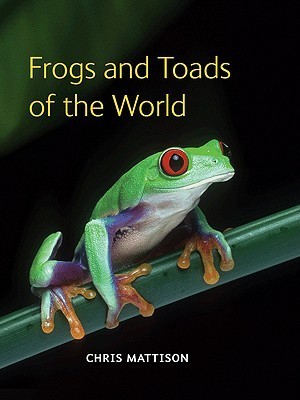
Amazing tour through the diversity of Frogs and Toads throughout the globe. With a species count of 5000+ this 200 page book can only serve as an introduction to the true diversity of the group, but as such an introduction it works well, full of excellent photos and informative text.

Cranes of the World, by Paul Johnsgard:
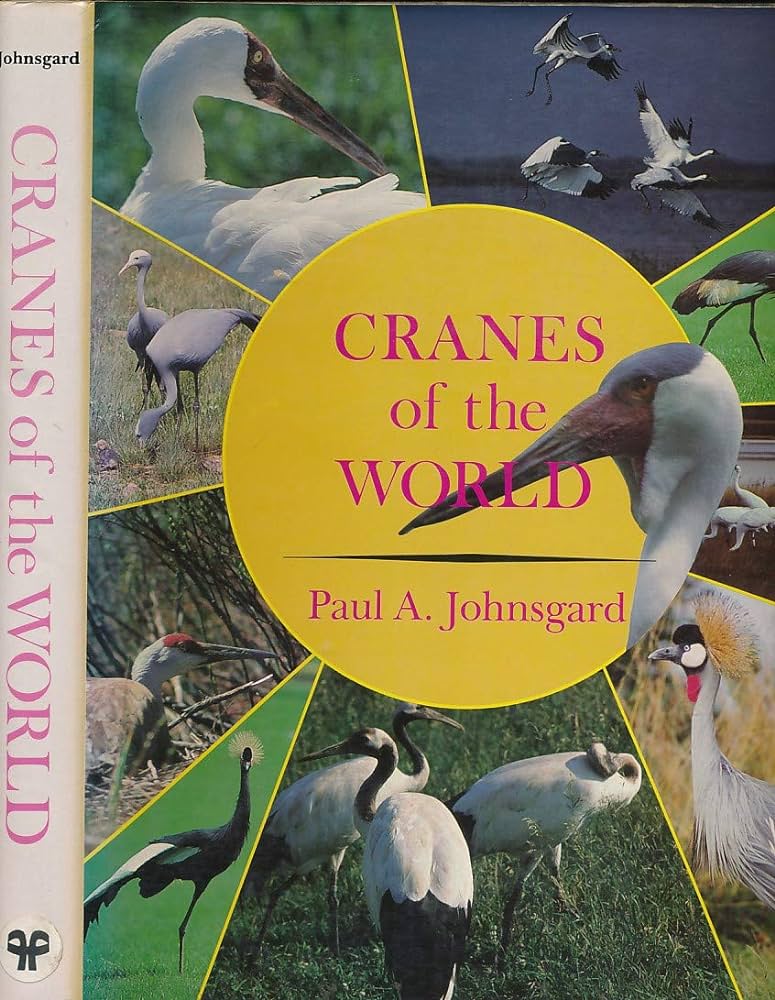
While dated, this book provided an excellent summary of what was known about Cranes (fascinating birds of the Family Gruidae) throughout the world in the 1980s. I uncovered many interesting facts about these beautiful birds within. I found the species accounts (which make up the majority of the book) to be somewhat dry but the book is designed to be a reference work, so I can’t blame it for laying out the facts systematically. It remains the only book of its kind as far as I can tell and it’s freely available online: https://digitalcommons.unl.edu/cgi/vi…
So if you’re interested in Cranes, check it out!

The Best Of The Raven: 150 Essays From Algonquin Park’s Popular Newsletter, by Dan Strickland and Russ Rutter:

I read these natural history essays while camping at Algonquin Park (2 trips), and thoroughly enjoyed them. Full of information that brings you deeper into the fascinating natural world surrounding you in Algonquin Park, amazing.

Consider Her Ways, by Frederick Philip Grove:
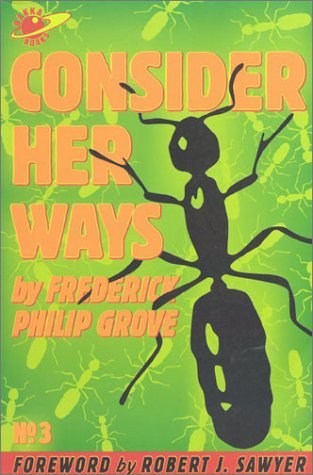
This book was so much fun. An expedition of leafcutter ants goes forth into the unknown continent of what we call North America. Along the way they encounter new species of ants with new ways of living and document their astounding discoveries into the world of humanity and ant-kind.

The journey is epic, the philosophies discussed by the ants are fascinating and relevant, and there is even an amazing ‘cameo’ by a famous myrmecologist. The format of the book is so much fun, with footnotes lending the document a verisimilitude that I loved (for example the human discoverer of the document mentions his confusion at certain phrases but opted to leave them in for completeness). The ending was rather abrupt and I was a little disappointed that the main encounters and discoveries discussed were limited to ants and humans rather than any other species that the ants would have encountered.

Overall, a very fun read, a tour through the world of ant diversity told from the perspective of some ants themselves. Amazing.

The Nature of Oaks: The Rich Ecology of Our Most Essential Native Trees, by Douglas W. Tallamy:
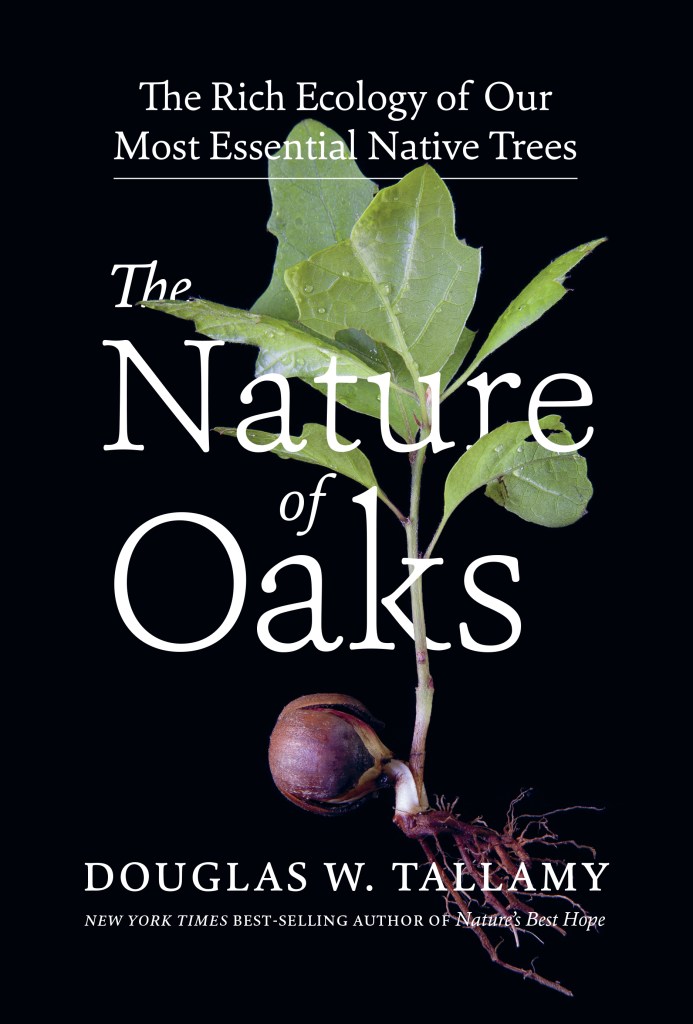
The book moves through the year month by month describing the various ecological happenings on oak trees during those months. So I read through the book in that way, reading each month as it was happening around me. Interesting, learned lots, and I now pay more attention to Oak trees when I find them.

That wraps up my blogversary article for this year! Hope you enjoyed the brief tour of my nature writing/reading year. Next up will be my roundup of top nature photos from this past year, stay tuned!

For previous blogversary articles, see below:

Happy Birthday, Norfolk Naturalist!
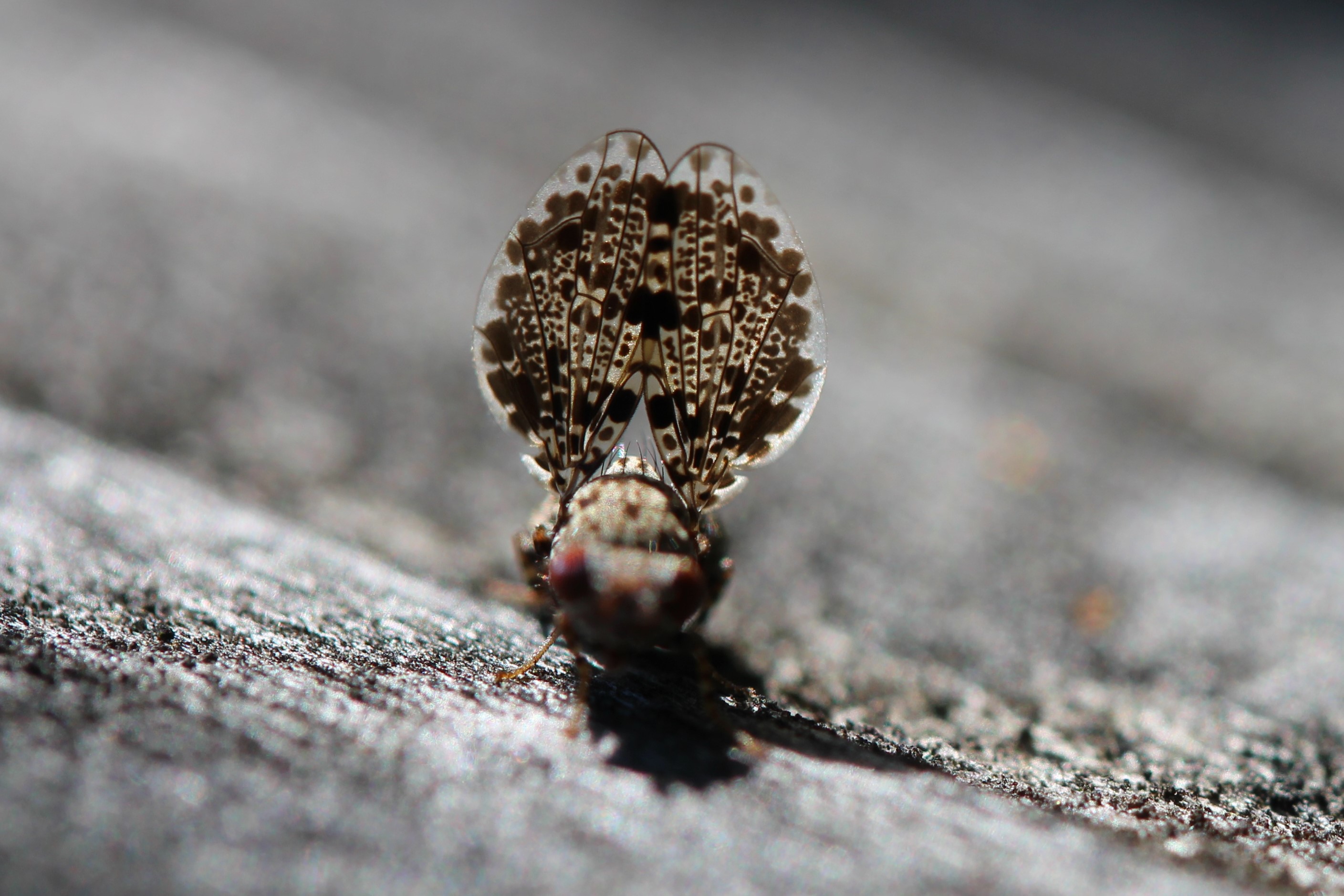
Happy 2nd Birthday, Norfolk Naturalist!
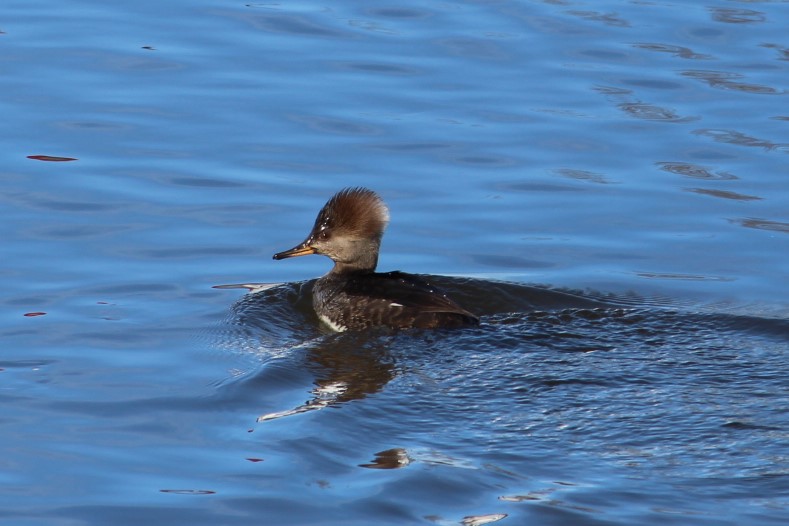
Happy 3rd Birthday, Norfolk Naturalist!
Categories
diptera Species Profile

Callopistromyia, the Peacock Flies

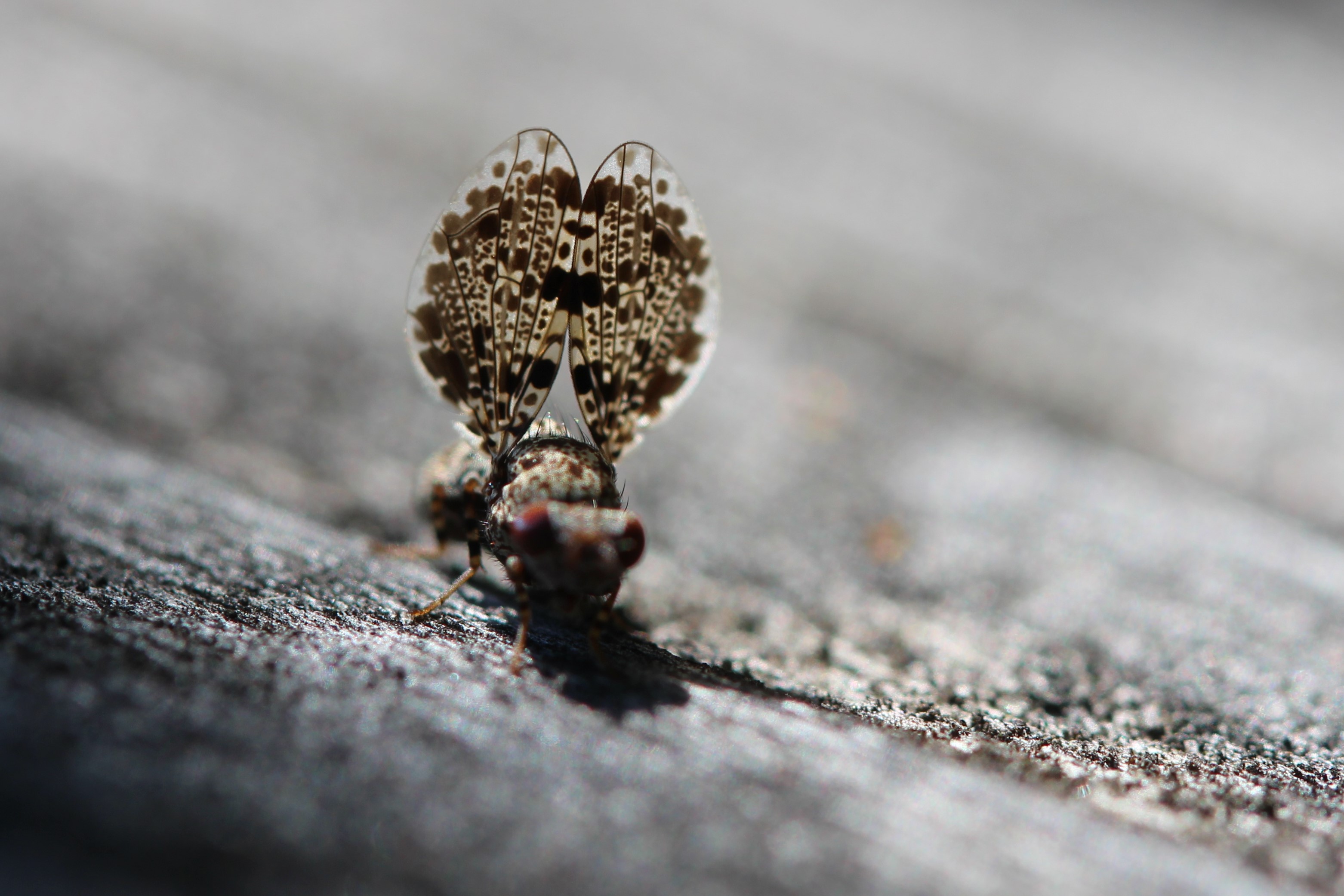
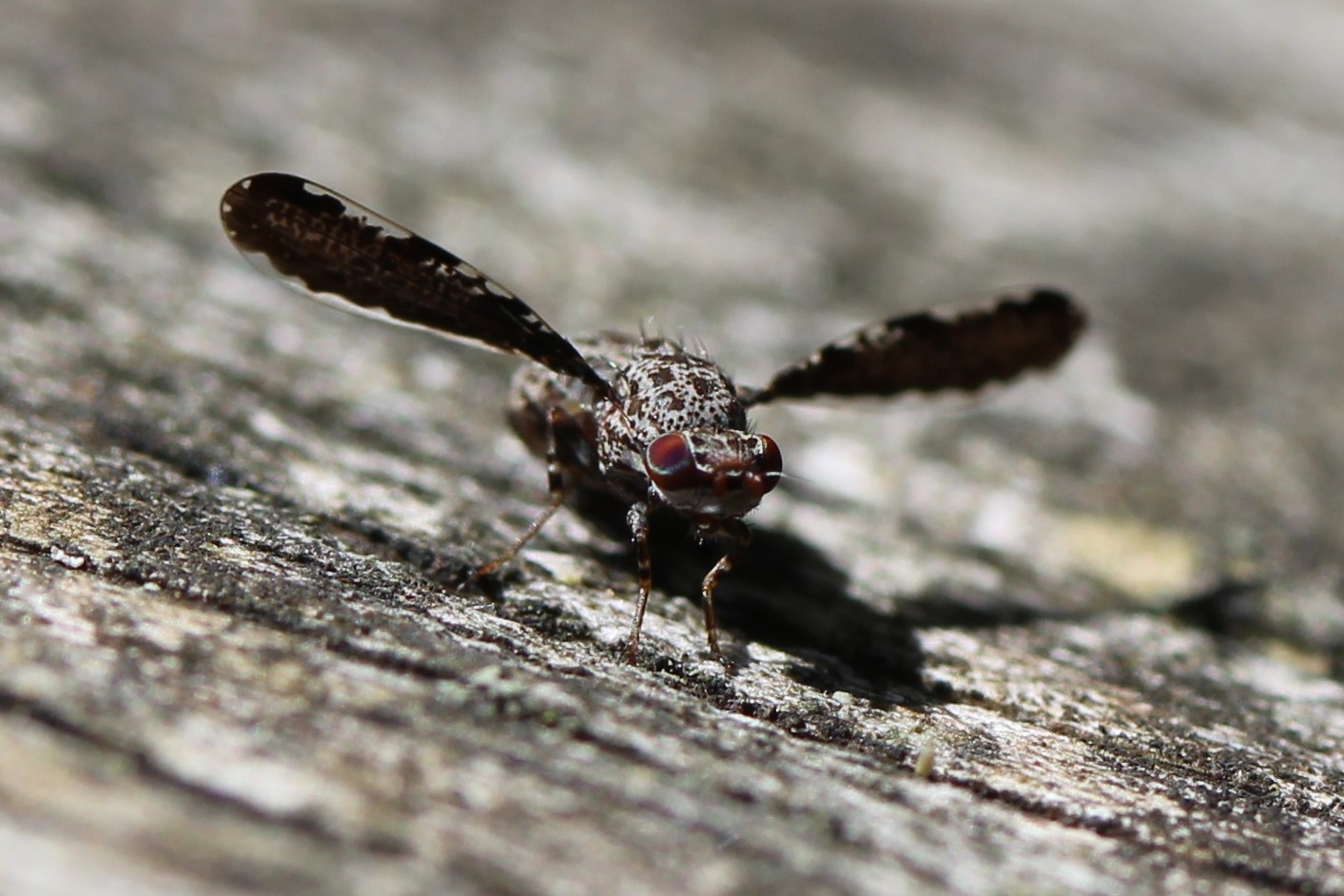
For this article I’d like to consider one of the most beautiful insects I’ve ever had the pleasure of observing: the Peacock Fly (Callopistromyia annulipes) and its relative, the only other member of its genus the Peahen Fly (Callopistromyia strigula)*. The main difference in appearance between these two species is in their wings: C. strigula contains much narrower wings than C. annulipes (Kameneva and Korneyev 2006).

*There is no common name for C. strigula, so I made one up. You might be surprised that there isn’t a common name, but consider that there are hundreds of thousands of species of Flies, and many of these are only known within specialist groups that study the differences between them. This is also the reason that there isn’t much information available for these Flies despite their beauty and conspicuousness.

C. annulipes is distributed across the United States and occurs in three provinces of Canada: British Columbia, Alberta, and Ontario, while C. strigula is found in Manitoba, Ontario and Saskatchewan as well as several States. Over the past several years, this species has spread into Europe as well, no doubt via human means (Pintilioaie and Manci 2020). 

In both species males and females display, contrasting with many fly species in which only the males display for the females to choose from among them. I don’t want to discuss sexual selection and mate choice here in any depth. Suffice to say that because both males and females perform displays there is likely mutual sexual selection going on in these species, meaning that traits are preferred and chosen by both sexes in this species, rather than a female-choice bias or male-choice bias.*

*of course, this only applies if the displays and accompanying appearances are sexually selected for, but there are other ideas for what forces are selecting these displays (see further below).

Video of Peacock Fly (Callopistromyia annulipes) displaying on a bridge railing on the Lynn Valley trail in Simcoe.

Little is known of these species’ biology other than that they display on conspicuous surfaces (more on this below), and there are records of the adults of C. annulipes feeding on the frass from wood-feeding beetle tunnels* (Steyskal 1979). Their puparia** have been found beneath the bark of various deciduous trees, so it’s presumed that their larvae feed on dead wood, or fungi within dead wood or something associated with dead wood. 

*Frass is a fancy way of saying “insect excrement and related material” usually used in connection with wood-boring insects… that ‘related material’ bit is key here since although a lot of what we call frass passes through an insect’s digestive system it can also be broken up bits moved behind a wood-boring beetle, so less insect “poop” and more insect “debris”.

**puparia refers to the hardened larval skin that encloses the pupal stage of derived Diptera… which probably doesn’t explain very much unless you know what those other terms mean. Basically, instead of nothing surrounding the pupa (the transformative stage of insects, between larva and adult), a huge branch of the Fly Family Tree (the Cyclorrapha) hardens their final larval stage skin into a protective case, sort of the fly version of a chrysalis.

As with many Diptera, their larvae are mysterious. After much searching, I managed to find a few pictures of Callopistromyia larvae online. I was amazed and contacted the person who recorded these organisms to obtain permission to share the relevant information and images.

The pictures depict larval and pupal C. strigula which were found feeding on the inner bark of a boxelder tree (Acer negundo) (van der Linden 2018). I can’t find any pictures or information pertaining to C. annulipes larvae, but presumably they have the same or similar feeding habits. 

Finally, the most attractive thing about these species are their displays. The reason I’m writing about these flies is because I noticed them, and the reason I noticed them is because they strutted about on the railings of bridges on the Lynn Valley Trail. The Peacock Fly (Callopistromyia annulipes) in particular raises its large wings so that they meet above its back presenting a very noticeable display. By contrast, C. strigula adults display their wings in a more horizontal fashion. Presumably, these displays are about attracting mates and because the displays are performed by both sexes, they are about mutual mate choice. In other words, males are displaying to attract the attention of females and females are displaying to attract the attention of males. An intriguing possibility is that these wing displays are about more than finding a mate… they could also be an example of predator mimicry.

Can you see the face of a Jumping Spider in the Peacock fly’s wing-pattern?

A fascinating paper with an excellent title* describes how other species of Ulidiidae (the family of Flies that includes Callopistromyia) have wing patterns and displays that mimic the appearance of Jumping Spiders (Salticidae) (Hill et. al. 2019). The reason? Jumping Spiders are visually hunting predators of basically any insect they can catch. The wing patterns are possibly exploiting the visual system of Jumping Spiders by causing the spiders to believe they are staring down another Jumping Spider and so to be cautious. I can’t help but be intrigued by this idea, and somewhat skeptical. Despite its appeal, there are some problems with the hypothesis. One problem that came to my mind is that Jumping Spiders will hunt other Jumping Spiders. So if the pattern is supposed to resemble a Jumping Spider and deter them from predating the fly, why would it? The paper acknowledges that there are still many unknowns, but the authors make a good case that at least some insects are manipulating salticid responses to prey with visually deterrent patterns. And they also note: “In a natural setting even a brief delay in the attack of a salticid could allow these flies to escape” (Hill et. al. 2019). As always in science, more studies are needed…

*The title, for those of you who don’t read through the References section, is “Do jumping spiders (Araneae: Salticidae) draw their own portraits?” The idea is that in avoiding hunting insects that resemble themselves, jumping spiders leave those ones alive to reproduce in like kind and so jumping spider resemblances are crafted by the natural selection of the jumping spiders themselves.

There is always more to learn, and always new organisms to explore in the world. I hope you enjoyed my dive into the beautiful flies of the genus Callopistromyia, the Peacock Flies. 

References:

Hill, David, A. P. C., Abhijith, and Burini, Joao. 2019. “Do jumping spiders (Araneae: Salticidae) draw their own portraits?” Peckhamia 179.1: 1-14. (full pdf available here: https://peckhamia.com/peckhamia/PECKHAMIA_179.1.pdf)

Kameneva, Elena and Korneyev, Valery. 2006. “Myennidini, a New Tribe of the Subfamily Otitinae (Diptera: Ulidiidae), with Discussion of the Suprageneric Classification of the Family”. Israel Journal of Entomology. Vol. 35-36, 2005/6: 497-586.

Pintilioaie A-M, Manci C-O (2020) First record of the peacock fly Callopistromyia annulipes (Diptera: Ulidiidae) in Romania. Travaux du Muséum National d’Histoire Naturelle “Grigore Antipa” 63(1): 87-91. https://doi.org/10.3897/travaux.63.e50920

Steyskal, George C. 1979. “Biological, Anatomical, and Distributional Notes on the Genus Callopistromyia Hendel (Diptera: Otitidae)”. Proceedings of the Entomological Society of Washington. 81(3): 450-455.

van der Linden, John. 2018. https://bugguide.net/node/view/1510354

For other blogposts focused on Flies (the vast insect Order Diptera), see:

5. Robber Fly Hunting Queen Ant

Flies: The Natural History and Diversity of Diptera, by Stephen A. Marshall

Flies Falling to Fungi and Other Dipteran Observations

Fuzzy Flies and Song Sparrows

Eastern Band-winged Hover Fly

Categories
Amphibians Top 20 Photos 2013-2020

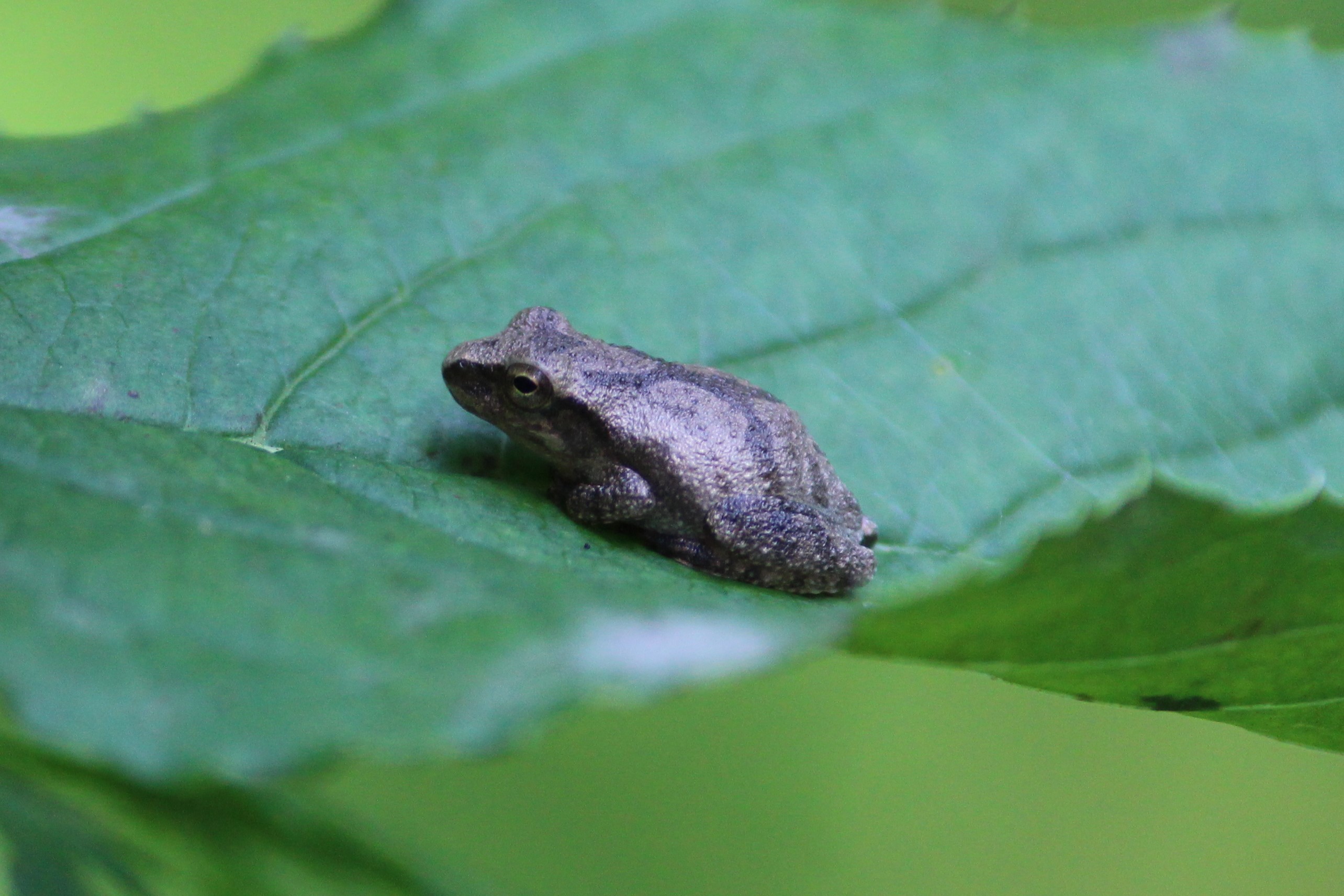
6. Spring Peeper (Pseudacris crucifer)

Subject: Spring Peeper (Pseudacris crucifer)

Location: MacGregor Provincial Park

Date: August 2017

The Story behind the Shot: While hiking at Macgregor Provincial Park, my wife spotted a tiny frog crouched on a leaf. It was one of those opportunities that would have been so easy to miss, and made for a beautiful shot of a tiny creature.

The Story Behind the Species:

“There are some creatures which are the quintessence of the slang word “cute,” which, interpreted, means the perfection of Lilliputian proportions, permeated with undaunted spirit. The chickadee is one of these, and the spring peeper is another.” – Anna Botsford Comstock (from Handbook of Nature Study, originally published in 1911, revised edition 1939)

The quote above nicely captures the wonder I felt at finding such a quintessentially cute animal, a frog that is less than 4 cm long. Their name itself gives a good description of this tiny frog, because they are one of our earliest calling amphibians in the Spring (late March to early April)* and their call is a piercing “peep”! (Harding and Mifsud 2017). Below, I’ve added an audio file recorded by BudJillett on freesound.org, reposted here under Creative Commons Attribution 3.0 license. so you can hear what these tiny frogs sound like:

*the further north a population of Spring Peepers are, the later in the year they will begin breeding. As Spring Peepers are distributed across Eastern North America, there are fairly large variations in breeding times across their range, with southern populations (in northern Florida and Texas) breeding in Winter and Northern populations breeding later in Spring (Wells 2007).

The male Spring Peepers are the ones calling, to attract females to their location near or in a suitable breeding pond which could be a temporary pool caused by spring melt or a marsh or ditch (Harding and Mifsud 2017). The eggs (up to 1300 per female!) hatch in 4-15 days, into tiny tadpoles that feed on algae and other aquatic plant material (Harding and Mifsud 2017). These tadpoles will feed and grow enough to become tiny froglets over the course of 1.5 months to 3 months (Harding and Mifsud 2017). That may seem like a wide time range, and that’s because there are many factors that promote or delay tadpole growth and development, one of which is canopy cover. In breeding ponds that were closed-canopy (ie. low light and low plant productivity because of low access to light), Spring Peepers grew slower than in more open, high productivity pools (Wells 2007).

The tiny adults spread out from their breeding ponds and hunt through the undergrowth for various small arthropods, avoiding any creatures larger than themselves which could hunt them in turn. Each Spring Peeper must make it through not only a gauntlet of predators, but northern populations must survive freezing temperatures in the Winter. To do this, they produce their own internal “antifreeze” suubstances and have a very similar strategy to Wood Frogs (Lithobates sylvaticus), which I discussed in a previous blogpost.

Spring Peepers can live up to 5 years (Wells 2007) but it’s likely only the rare individual out of those 1300 eggs that makes it to their 2nd year of life.

These tiny heralds of Spring, peeping in the night are one of the many fascinating creatures that we seldom see, but I am glad I had the opportunity to see one and take its photo.

References:

Comstock, Anna Botsford. 1911, 1939, 1967. Handbook of Nature Study. Comstock Publishing, a division of Cornell University Press.

Harding, James and Mifsud, David. 2017. Amphibians and Reptiles of the Great Lakes Region. University of Michigan Press.

Wells, Kentwood D. 2007. The Ecology and Behavior of Amphibians. University of Chicago Press.

For other posts in this series, see:

My Top 20 Nature Photos of 2013-2020

1. The Pale-Painted Sand Wasp (Bembix pallidipicta)

2. Moose (Alces alces) Family

3. Canada Jay (Perisoreus canadensis)

4. Common Five-Lined Skink (Plestiodon fasciatus)

5. Robber Fly Hunting Queen Ant

And for other posts featuring Amphibians, see:

Bullfrogs and Buffleheads

Freezing Frogs and Fascinating Fungi (NFN Fungi Hike, Part 1)

Categories
mammals Species Profile

Big Brown Bat

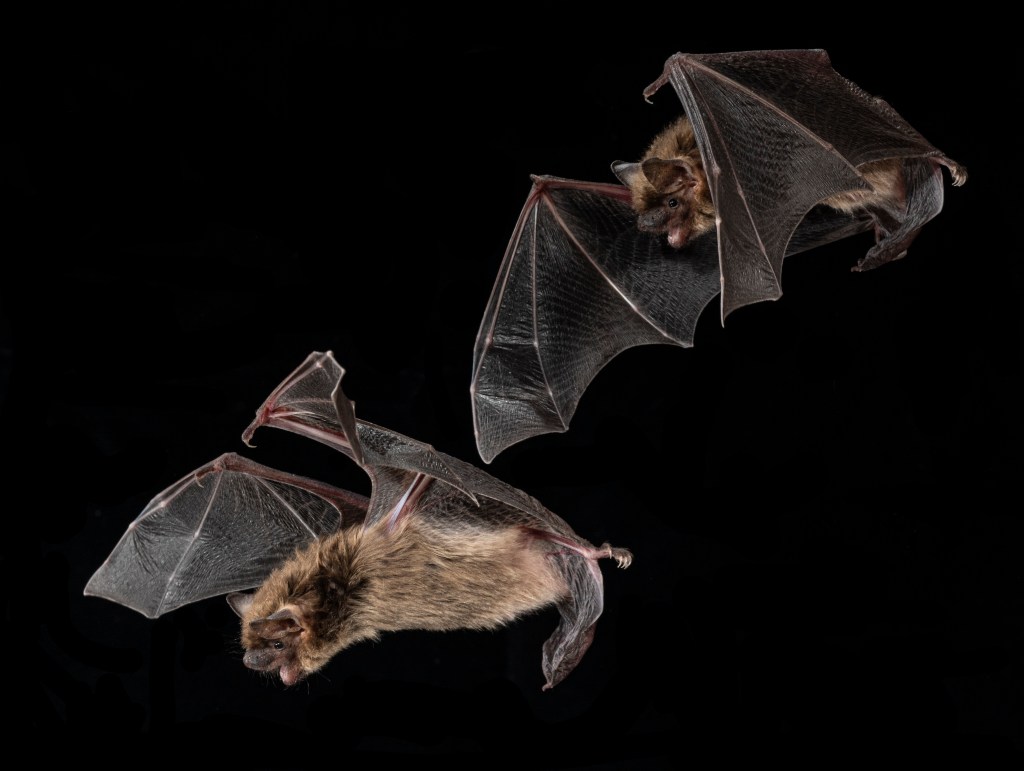
Big Brown Bat (Eptesicus fuscus). Photo by Sherri and Brock Fenton, used with permission.

Last year, I observed 2 bat species while on a night hike with the Norfolk Field Naturalists (for more about this hike, go here). The 2 bat species I observed were Eastern Red Bats and Big Brown Bats. I’d like to explore their biology and natural history, specifically within Ontario. This first post will be focused on the Big Brown Bat and another will focus on the Eastern Red Bat. I will be pulling most of my information from The Natural History of Canadian Mammals (2012), by Donna Naughton, unless otherwise indicated.

Big Brown Bats (Eptesicus fuscus):

Meaning Behind the Name: Eptesicus is from Greek which means “I fly” and “house” because Big Brown Bats like to roost in houses, and the species name fuscus is Latin for “dusk” (Etymologia 2005).

Biology and Natural History:

At 13 cm long and with a wingspan of up to 39 cm, this is Ontario’s second largest bat (the largest being the Hoary Bat (Lasiurus cinereus), and is fairly common in southern Ontario. Their global range extends all the way south to South America, and at the northern end there are scattered reports from Alaska. With such a wide range, there are differences in their habits across it. For example, Big Brown Bats in Ontario hibernate through the winter in “caves, mines, and deep rock crevices, as well as heated buildings” (Naughton 2012), but in more southern regions with plentiful insect food throughout the winter, they are active year-round. The list above of hibernation sites are specific permanent locations bats will find to spend the winter. During the day, however, Big Brown Bats will use a variety of roost locations, including tree hollows and beneath bark*.

*A curious note describes a surprising discovery of a male Big Brown Bat that had been roosting beneath loose bark in a Michigan wetland. While the author of the note was interacting with a data logger in the wetland, “a strip of bark about 1 m in length fell from one of the trees and crashed into the water about 3 m away from me. Mixed in with the bark fragments and covered with duckweed (Lemna sp.) was a half-submerged bat that I eventually identified as an adult male big brown bat.” (Kurta 1994). I was glad to read that the bat was “torpid but unharmed” and after warming up “the bat flew away” (Kurta 1994).

Big Brown Bats are generalist insectivores, consuming basically any insects they can catch. Their diet of hard-bodied insects wears down their large teeth but apparently worn teeth don’t affect their feeding habits. They feed at night, if conditions are favourable (such as not rainy, and sufficiently warm night temperatures). On cooler nights, some bats will undergo torpor (a sort of mini-hibernation state) to save energy and forgo foraging. When they are out hunting, Big Brown Bats use echolocation to find insect prey. Although we think of echolocation calls as strictly for feeding, they inevitably function as signals, sometimes unintentionally. It has been demonstrated that Big Brown Bats are attracted to the echolocation calls of another species of bat (the Little Brown Bat, Myotis lucifugus) and the other species is attracted to Big Brown Bat calls as well (Barclay 1982). This is likely because echolocating bats represent an area with foraging opportunities or food sources.

Big Brown Bat (Eptesicus fuscus). Photo by Sherri and Brock Fenton, used with permission.

Pups are born in June-July in Canada, and begin flying at 21 days or later. In Eastern North America, most Big Brown Bats give birth to twins, while single pups are most often born in Western regions. Although the pups’ wings are the same size as adults, their weight is much smaller, providing them with an advantage while learning to forage. After about a month, the young are able to hunt for themselves (ie. are no longer dependent on nursing from their mothers), but will stick with their mothers for their first few hunts. Some male Big Brown Bats have lived more than 20 years (the demand on females of pregnant foraging and nursing is high and reduces their maximum lifespan).

Big Brown Bats are fascinating, and I was happy to hear and observe them last year. Next up will be the Eastern Red Bat!

References:

Barclay, R. M. R. 1982. “Interindividual use of echolocation calls: eavesdropping by bats.” Behavioral Ecology and Sociobiology, 10: 271-275. cited in: Altringham, John and Fenton, M. Brock, 2003. “Sensory Ecology and Communication in the Chiroptera” in: Kunz, Thomas and Fenton, M. Brock (eds.). 2003. Bat Ecology. University of Chicago Press.

Etymologia: Eptesicus fuscus. Emerg Infect Dis [https://www.ncbi.nlm.nih.gov/pmc/articles/PMC3367660/]. 2005, Dec [date cited: February 11, 2023]. http://dx.doi.org/10.3201/eid1112.ET1112

Kunz and Lumsden, 2003. “Ecology of Cavity and Foliage Roosting Bats” in: Kunz, Thomas and Fenton, M. Brock (eds.). 2003. Bat Ecology. University of Chicago Press.

Kurta, Allen. 1994. “Bark Roost of a Male Big Brown Bat Eptesicus fuscus.” Bat Research News. Volume 35: no. 2,3.

Naughton, Donna. 2012. The Natural History of Canadian Mammals. University of Toronto Press.

For other mammal-focused posts, see:

Flying Creatures of the Night

Moose (Alces alces) Family

Swimming Squirrels

Categories
Uncategorized

Norfolk Naturalist Year in Photos (Dec 2021-Nov 2022)

Last year, as part of the Norfolk Field Naturalists, I was able to present 20 of my photos and discuss them. That was what prompted my still-ongoing “Top 20 Nature photos 2013-2020” series (Links to Introduction, 1. The Pale-Painted Sand Wasp (Bembix pallidipicta, 2. Moose (Alces alces) Family , 3. Canada Jay (Perisoreus canadensis) , 4. Common Five-Lined Skink (Plestiodon fasciatus) , 5. Robber Fly Hunting Queen Ant ). This year, I am able to present another 20 photos. I’ve decided this time to keep the range of selection and the range of discussion much more condensed and to form it around my blogging year and my blog’s namesake locality: Norfolk County, Ontario. By keeping the time constrained to a single year, representing each month at least once and the location constrained to a single county in Southern Ontario, I think it can give a sense of the turning of the seasons, something I’ve always been fascinated by. One further restriction is I tried to avoid photos/organisms that have already featured on my blog this year. Introduction complete, here come the photos of my blogging year in review:

Sandhill Cranes (Antigone canadensis) in Port Rowan, December 2021:

These beautiful birds are a sight to see in the winter, snow falling around their dancing forms. Their resonant trumpeting calls, and their acrobatics in the white fields are breathtaking.

Hooded Merganser (Lophodytes cucullatus) in Simcoe, January 2022:

I’m always pleased to find a species near to home, which I associate with farther away. I first encountered Hooded Mergansers in Algonquin Provincial Park, so I think of them as something from the wild north rather than my own county, but this past January, I took some photos of a female swimming through a park in downtown Simcoe.

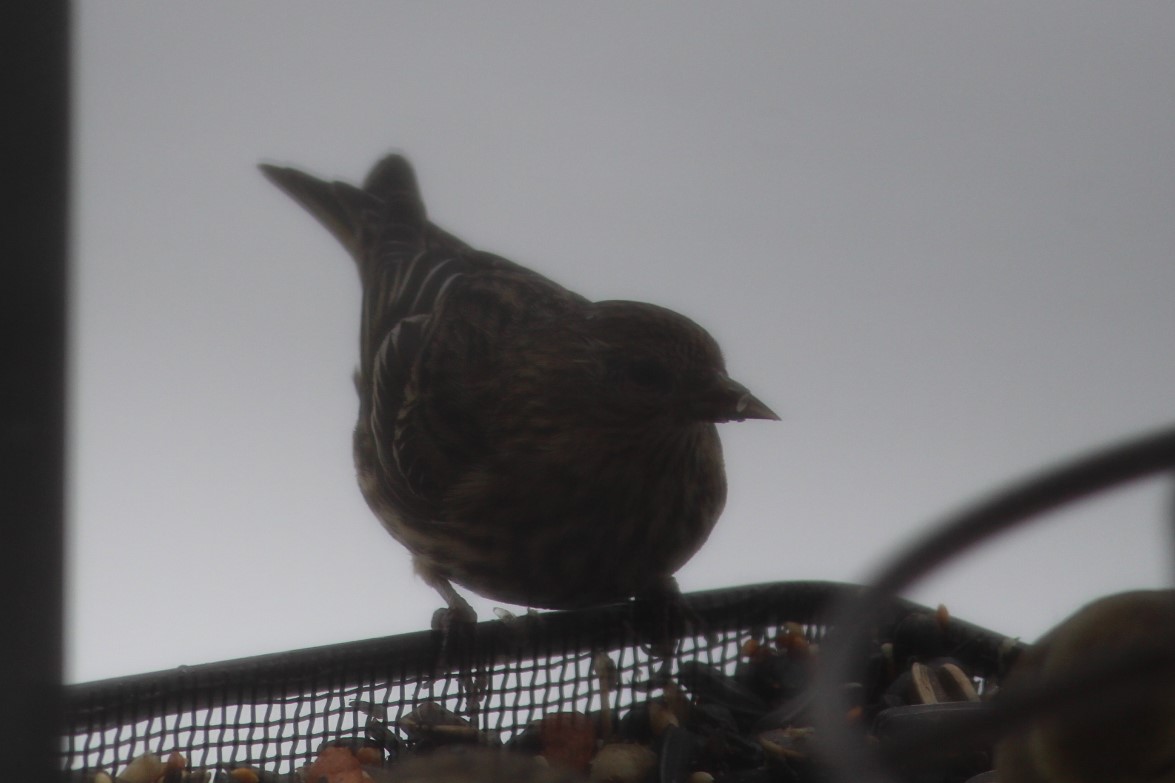
Pine Siskin (Spinus pinus) in my backyard, February 2022:

While reading through nature books and articles, I have read often of Pine Siskins moving through my area during the Winter in some years, and I had always hoped to see them. This year was the first time I saw them, and while my photographs are not very high quality (taken through my back windowpane), I was very excited to see and document this species at my backyard bird-feeder.

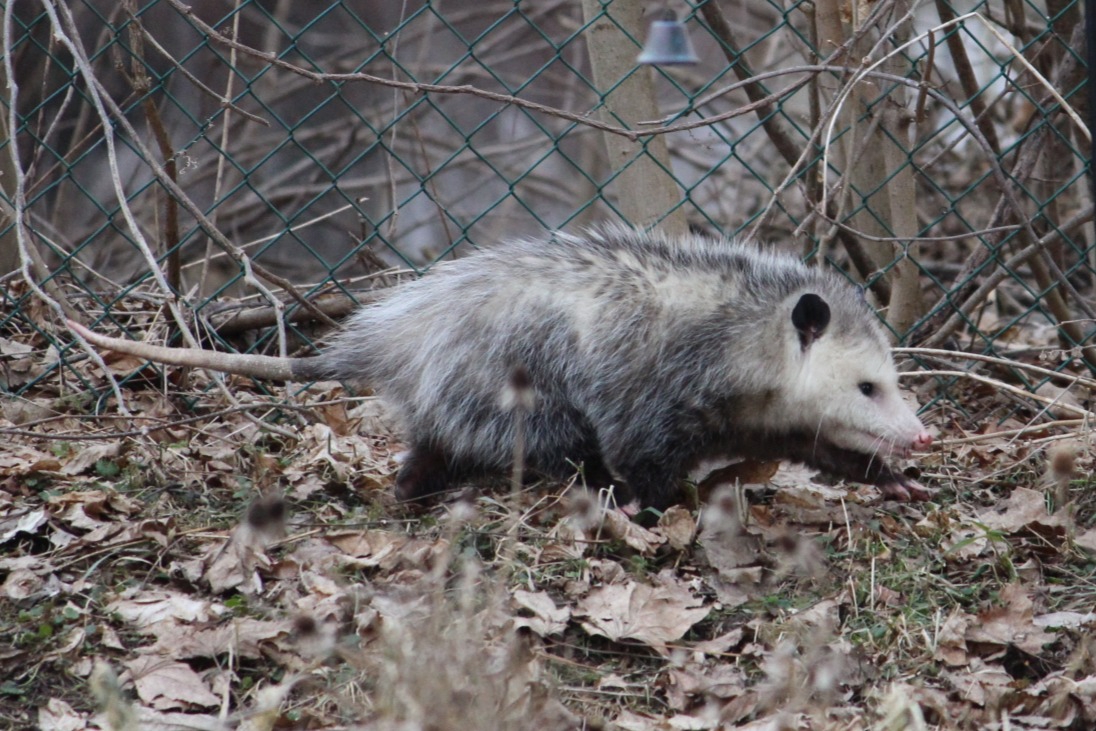
Virginia Opossum (Didelphis virginiana) in my backyard, March 2022:

Virginia Opossums are the only marsupials in Canada, part of a diverse group of mammals that are distinct from the placentals which make up the rest of the Canadian mammals. People often shorten the name to “possum” but this is technically incorrect for these animals. Pouched mammals in the New World (ie. North and South America) are known as ‘opossums’ while those in the Old World (Mostly Australasia for this group) are called ‘possums’.

American Winter Ant (Prenolepis imparis) in my backyard, March 2022:

These common ants are active early in the Spring and late in the Fall, which is how they acquired their association with Winter (Ellison et. al. 2012). Some workers of this species can store excess amounts of food in their abdomens and become living storage canisters, much like the more well-known honeypot ants (Myrmecocystus in North American deserts, or Camponotus inflatus and Melophorus bagoti in Australian deserts) (Ellison et. al, 2012).

Eastern Cottontail (Sylvilagus floridanus) on my Parents’ Farm, April 2022:

The first members of this species were seen in Ontario in the 1860s. Prior to European colonization and agriculture (which opened up preferred habitat for them) these adaptable mammals were located further south in the United States and Mexico (Naughton 2012).

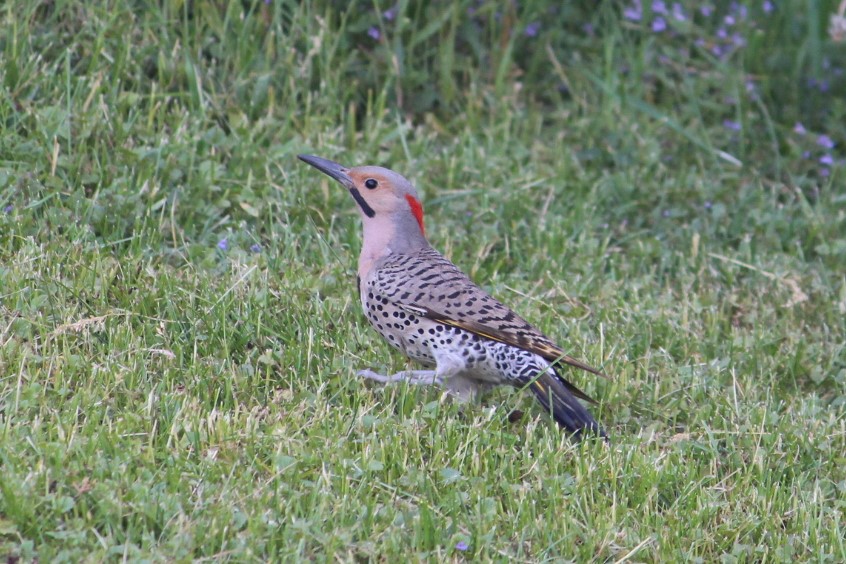
Northern Flicker (Colaptes auratus) in my backyard, May 2022:

Similar to my Hooded Merganser observation above, my first encounter with these amazing ground-foraging woodpeckers has coloured my appreciation for them as unique and surprising. I first saw Northern Flickers when driving through MacGregor Provincial Park in the early morning. Their speckled pattern was striking but even more distinctive was the way they move, like woodpeckers hopping up a tree trunk but horizontally on the ground surface rather than clinging to bark. Seeing a Northern Flicker in my own backyard was an exciting experience (it’s happened a few years now) and adds to my appreciation of the diversity all around me.

European Woolcarder Bee (Anthidium maniculatum) in my backyard, June 2022:

These solitary bees scrape the hairs off of leaves to line their nests (usually in a preexisting cavity in wood or plant stems). As the common name indicates, this particular bee species is introduced from Europe, and is the species you are likely to see in mid-summer (the native Anthidium species are active earlier in Spring) (Wilson and Carril 2016).

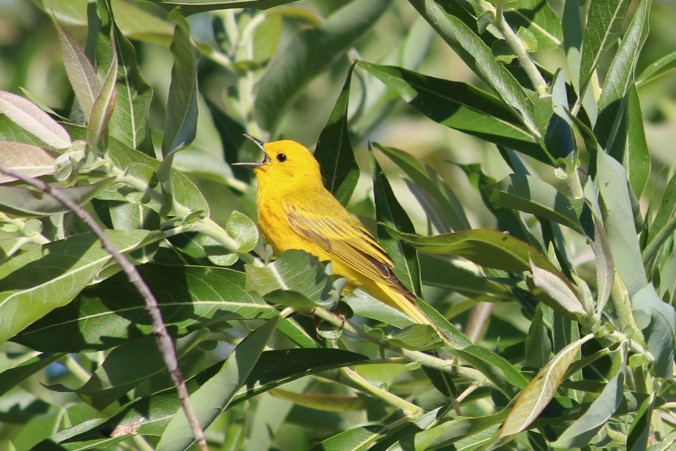
Yellow Warbler (Setophaga petechia) in Long Point, June 2022:

Migratory Warblers are always a treat to see in the Spring and Summer, and this colourful bird singing its heart out is one of my favourites. This species is widespread across North America and northern South America. In the more southern regions of its range, it may breed in mangrove swamps, while in Canada it can be found breeding in windswept tundra.

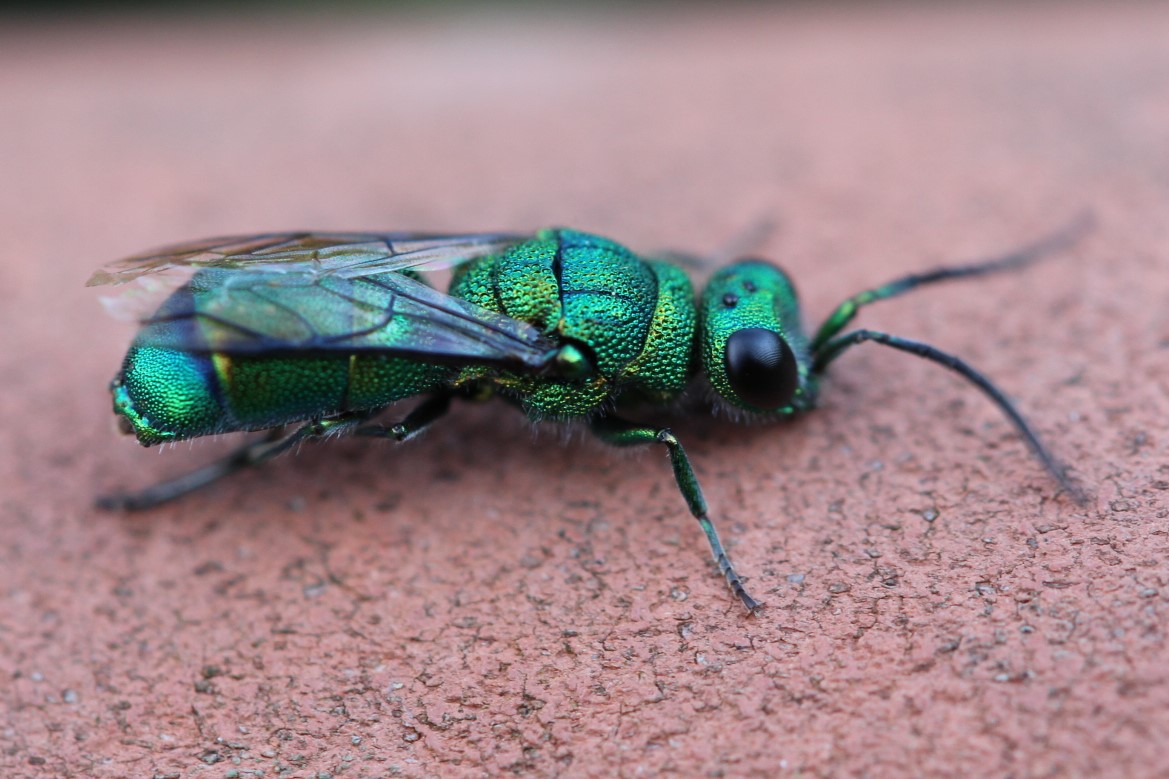
Cuckoo Wasp (Chrysis) in my backyard, July 2022:

Just as Cuckoos lay their eggs within another bird’s nest in order to benefit from the original inhabitant’s parental provisioning, so does the Cuckoo wasp benefit from another insect’s parental provisioning. In the case of this Genus, Chrysis, the female wasp lays her eggs inside the nest of other solitary wasps where the cuckoo wasp larva either feeds on the growing host wasp larva or the host larva’s food supply, placed in the nest by the host wasp parent (O’Neill 2001). The adult cuckoo wasp is well-armoured and can roll into a ball like an armadillo to present this tough shell as a defense against its hosts (Marshall 2006).

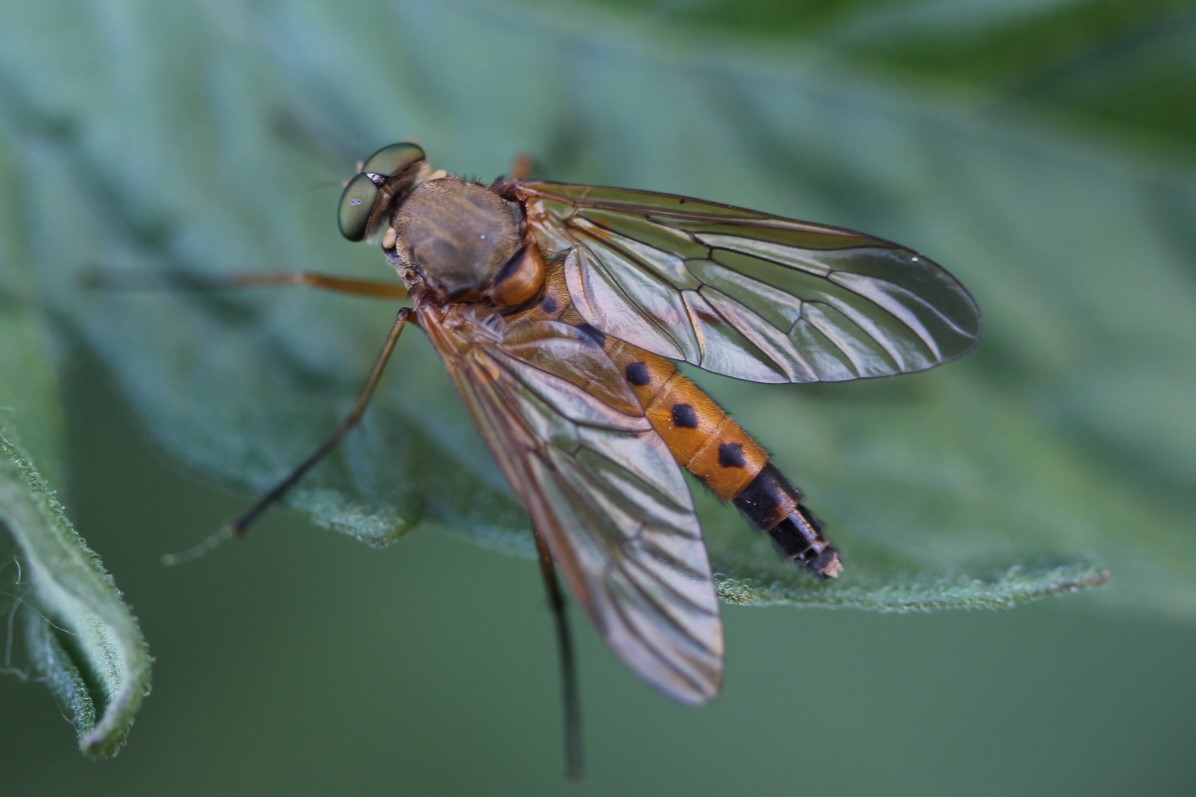
Marsh Snipe Fly (Rhagio tringarius) in my backyard, July 2022:

The larvae of Rhagio snipe flies are predators of invertebrates that dwell within the soil, but the adult diet (if they do eat anything) is unknown (Marshall 2012). This species, R. tringarius is introduced from Europe and is possibly replacing the similar native species, R. hirtus (Marshall 2012).

Eastern Cicada-killer Wasp (Sphecius speciosus) on my Parents’ Farm, July 2022:

Cicada-killer wasps are an example of a species that I had encountered significantly in print before encountering in the wild. I had read of their enormous size and strength, so when I spotted giant robust wasps on a visit to my parents’ farm I had my guess that these were the fabled hunters. These are impressive insects, but despite their large size and the males’ territoriality (the males will occasionally dive-bomb humans), they are not actually dangerous to people and should be tolerated and admired, rather than feared. The female can remove up to 1000 times her weight of soil to create her multi-celled nest which she provisions with adult cicadas (all of which used to be included within the genus Tibicen but which have now been moved to several genera (see Hill et. al. 2015 for a recent taxonomic review of the Cicada genus Tibicen)). Each larva is given 1-4 cicadas to feed on, males are given only 1 and female larvae more because females are sometimes 2.5 times larger than males (Evans and O’Neill 2007). The reason for this size disparity is that females do the digging and carry the giant prey items. The cicada-killers cannot carry paralyzed cicadas in flight unless they first drag them to a height and drop, which they will do occasionally in order to transport their large prey (Evans and O’Neill 2007).

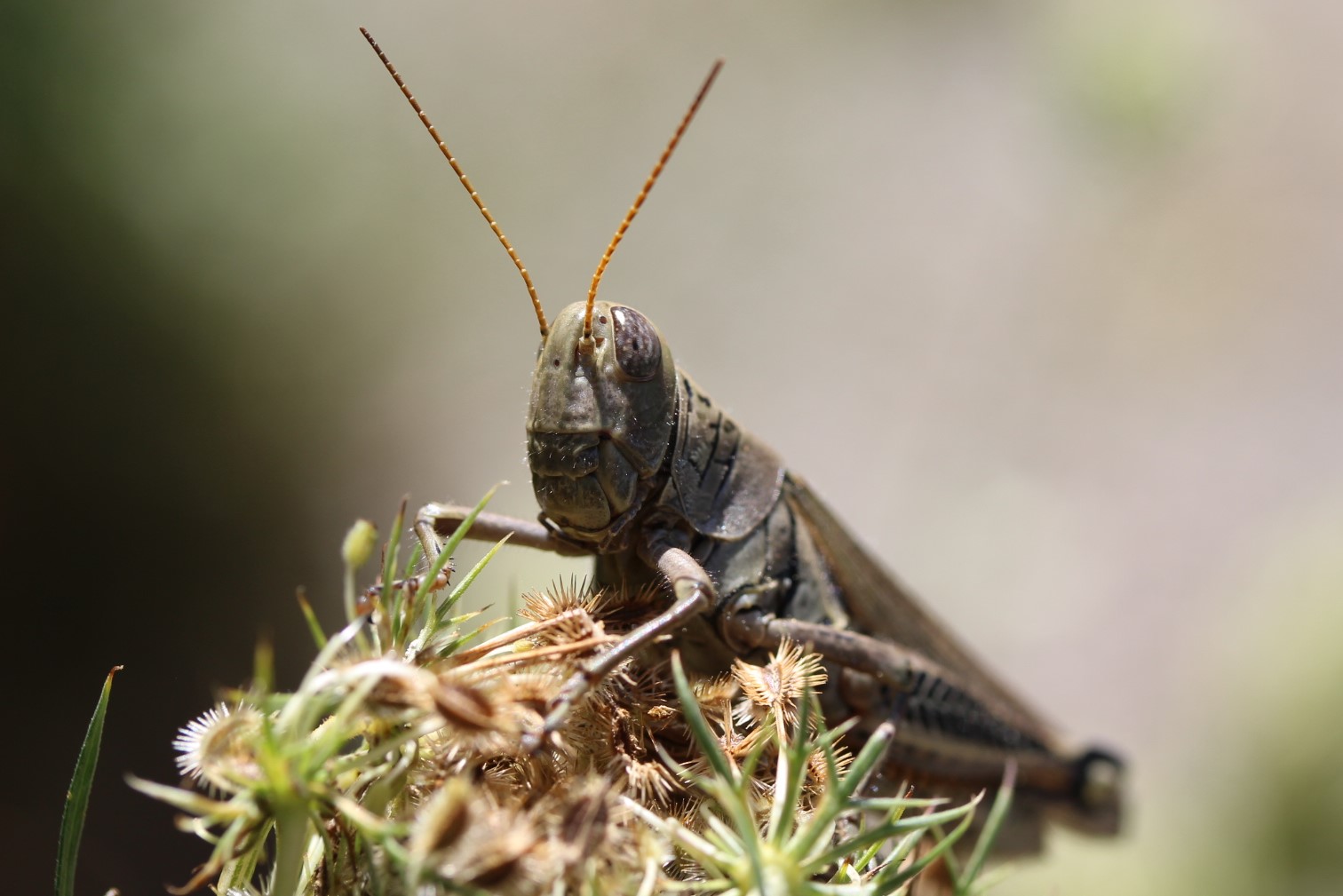
Differential Grasshopper (Melanoplus differentialis) in my Parents’ garden, August 2022:

This very large grasshopper can be up to 4.4 cm long and feeds on a variety of plants and crops (Marshall 2006).

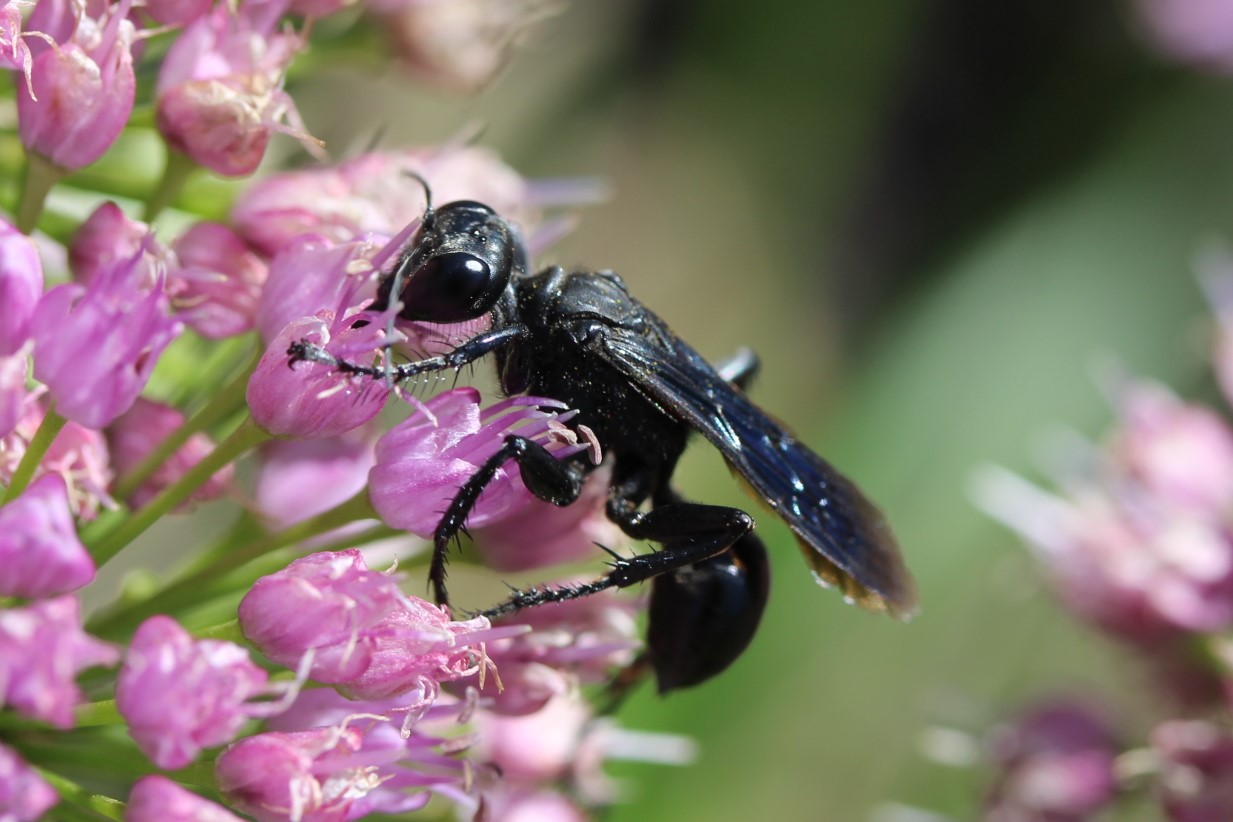
Prionyx atratus in my Parents’ garden, August 2022:

Prionyx atratus is a solitary wasp which hunts late-instar* or adult grasshoppers, like the one photographed on the same day in the same garden above. The wasps sting the grasshoppers on the head or thorax, and then construct a burrow in soil for their single prey item. Once the nest is constructed they will place the paralyzed grasshopper inside with an egg attached and close off the nest. While working on the nest, the female hunter will sometimes cache the grasshopper prey nearby (O’Neill 2001). Researching this species led to a rather alarming observation noted in O’Neill 2001: “I have seen the cached grasshopper prey of Prionyx species devoured by other grasshoppers”. It seems that grasshoppers are not always only plant-pests but will consume each other if given the opportunity.

*instar refers to any larval stage between moults, so a late-instar means a larval stage that is close to being an adult.

Northern Leopard Frog (Lithobates  in Long Point, September 2022:

One foggy morning in September, I was out taking photos in Long Point. The main thing I was looking for was birds, but every step I took along the wetland trail was punctuated by the sound and motion of leaping frogs. Taking a closer look at the path, I managed to crouch down and capture some closeups of this Northern Leopard Frog, helpfully sitting very still. 

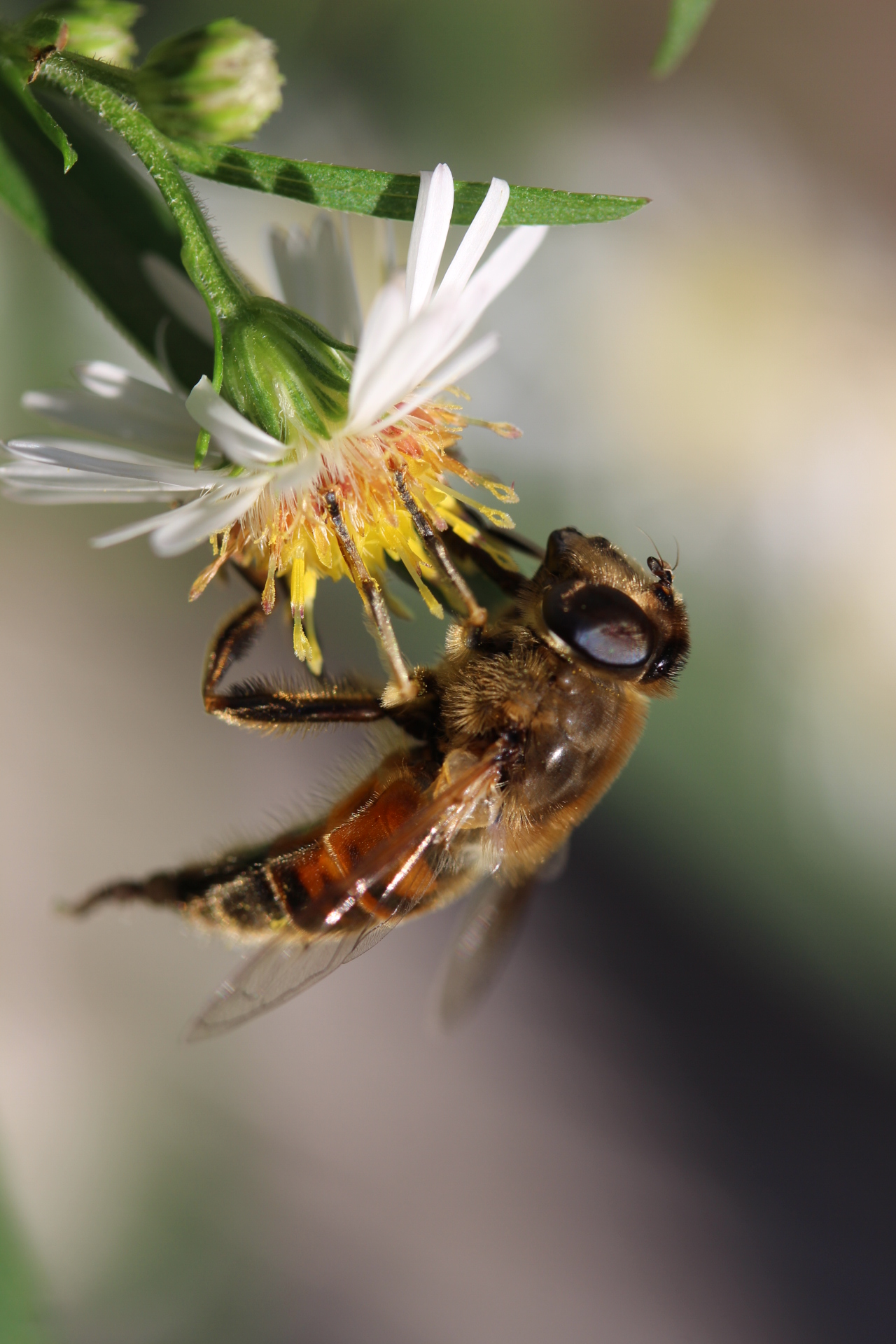
Common Drone Fly (Eristalis tenax) in my backyard, October 2022:

There comes a time in the year when insect populations begin to go into hiding or die off as Autumn and Winter creep upon the land. Every buzzing, whirring, crawling invertebrate at this time of year gains my attention all the more because I am conscious of the seasons’ turnings that will soon cover the flowers with snow and a hush will fall upon the local pollinators. So in October, I was quite excited to find a small gathering of pollinators right by my back step where an Aster was growing. This photo shows one such late-Fall insect: a Drone Fly.

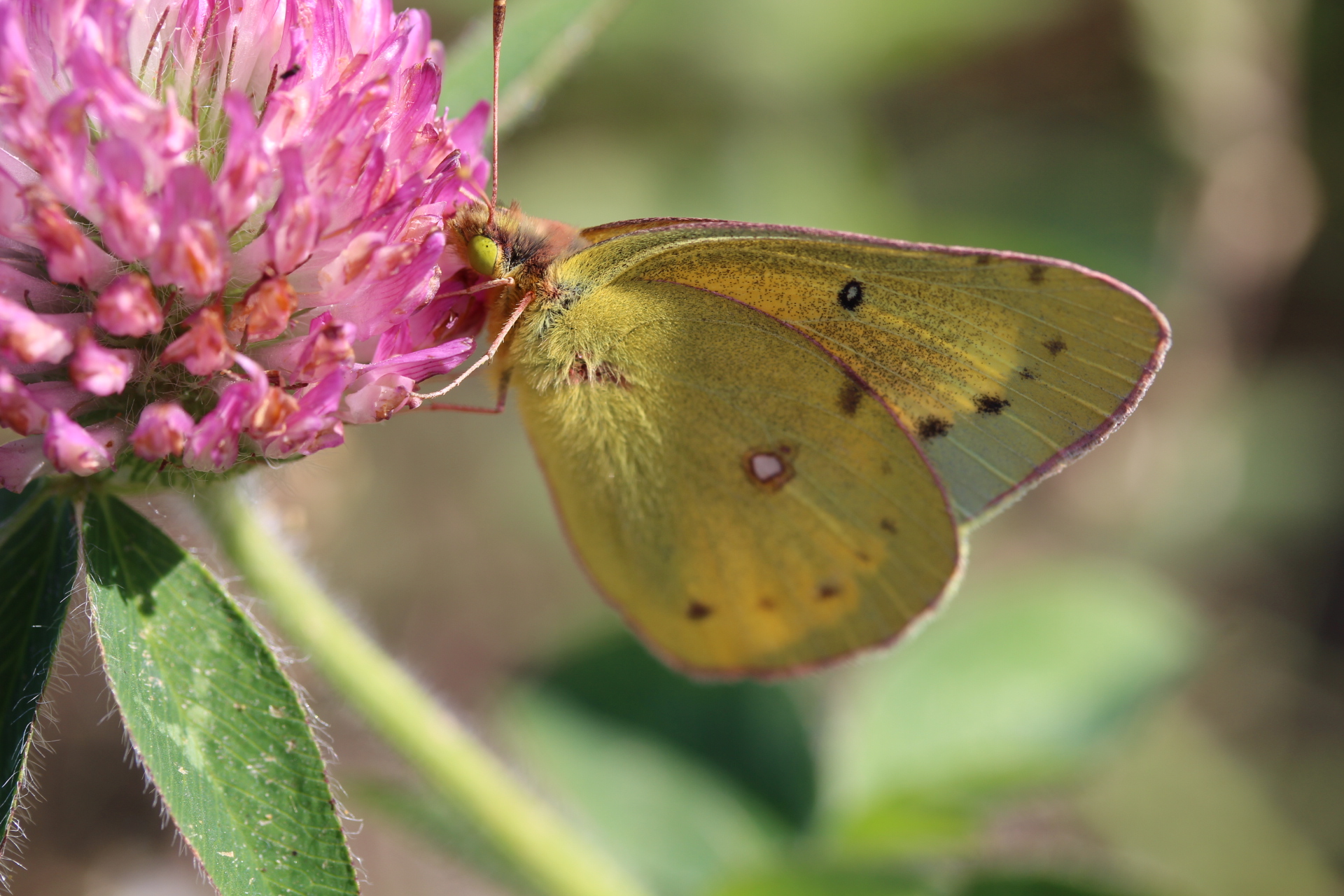
Orange Sulphur (Colias eurytheme) on my Parents’ Farm, October 2022:

Yet another late-flying insect caught my eye in October, this time a butterfly: an Orange Sulphur. This species of butterfly may or may not overwinter in Ontario. The adult individuals that we see in the Spring are likely migrants from its southern range (which includes Central America and the United States) (Hall et. al. 2014). I’m guessing this means that this individual spotted in the Fall was possibly on its way South to warmer climes.

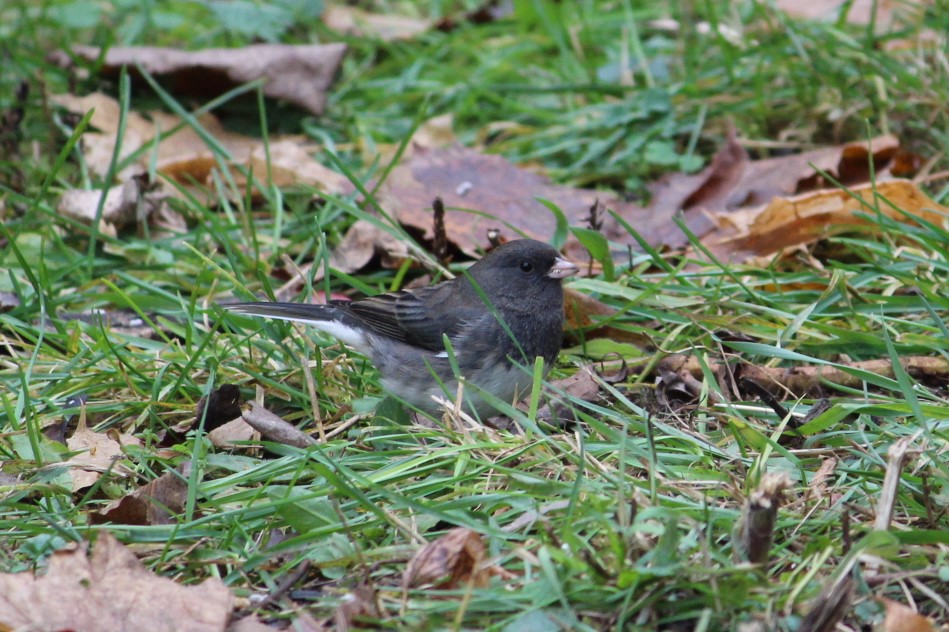
Dark-eyed Junco (Junco hyemalis) in my backyard, November 2022:

As I prepared to choose at least one photo from every month of the past year, I realized that I didn’t have any photos taken in November. So I rushed outside in my backyard to take some photos of the backyard birds at our feeders. My favourite picture was this of a Dark-eyed Junco. Juncos are familiar and common backyard birds, though they prefer to feed from the ground, rather than directly from the hanging feeders. I feel like this is a perfect species to end with: very common and familiar, found in my own backyard, yet I still find it exciting to see and observe these amazing creatures. I’m looking forward to next year, and can’t wait to see what other species I will wonder at and learn about through 2023.

References:

Ellison, Aaron, Gotelli, Nicholas, Farnsworth, Elizabeth, adn Alpert, Gary. 2012. A Field Guide to the Ants of New England. Yale University Press.

Evans, Howard and O’Neill, Kevin. 2007. The Sand Wasps: Natural History and Behavior. Harvard University Press.

Hall, Peter, Jones, Colin, Guidotti, Antonia, and Hubley, Brad. 2014. The ROM Field Guide to Butterflies of Ontario. Royal Ontario Museum.

Hill, Kathy, Marshall, David, Moulds, Maxwell, and Simon, Chris. 2015. “Molecular phylogenetics, diversification, and systematics of Tibicen Latreille 1825 and allied cicadas of the tribe Cryptotympanini, with three new genera and emphasis on species from the USA and Canada” Zootaxa Vol. 3985 No. 2: 10 Jul. 2015. [you can read the article yourself here: https://www.mapress.com/zootaxa/2015/f/zt03985p251.pdf] DOI: https://doi.org/10.11646/zootaxa.3985.2.3

Marshall, Stephen. 2006. Insects: Their Natural History and Diversity. Firefly Books.

Marshall, Stephen. 2012. Flies: Their Natural History and Diversity. Firefly Books.

Naughton, Donna. 2012. The Natural History of Canadian Mammals. University of Toronto Press.

O’Neill, Kevin. 2001. Solitary Wasps: Behavior and Natural History. Cornell University Press.

Wilson, Joseph, and Carril, Olivia. 2016. The Bees In Your Backyard. Princeton University Press.

Categories
Blogversary

Happy 3rd Birthday, Norfolk Naturalist!
3 Years of Blogging at norfolknaturalist.ca have passed and it’s time to look back at the past year of my naturalist adventures and reading/writing. Let’s go!

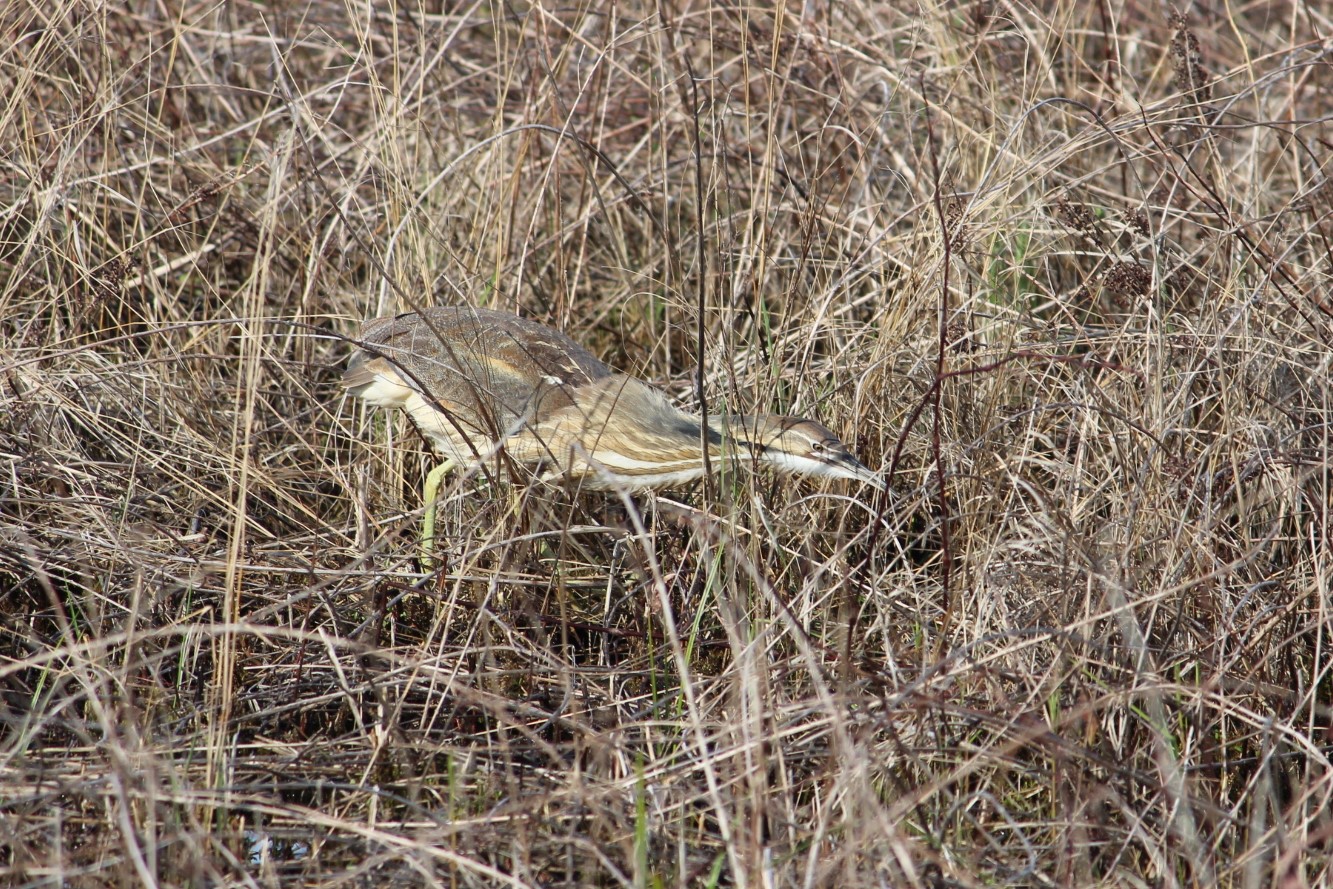
Look closely and you’ll see one of my most amazing bird sightings this year, a stealthy American Bittern (Botaurus lentiginosus) in Long Point, May 2022.

Starting off this past year of blogging was my introduction to a series of posts highlighting my Top 20 Nature Photos 2013-2020. I explain in that post why I chose that date range and how I chose the photos. When posting the first one, I ended up writing more than I expected about the species, in this case the Pale-painted Sand wasp (Bembix pallidipicta). I wrote several more entries in this series through the following months: (Moose (Alces alces) family, Canada Jay (Perisoreus canadensis), Common Five-lined Skink (Plestiodon fasciatus), and in September I published entry 5: Robber Fly (Neoitamus orphne) hunting Queen Ant (Formica novaeboracensis). I was originally planning to post them all in a row for my first 20 posts of this past blogging year… but oh well. I promise I am still working on the other 15 posts and I think the wait will be worth it for the species to get their proper spotlight.

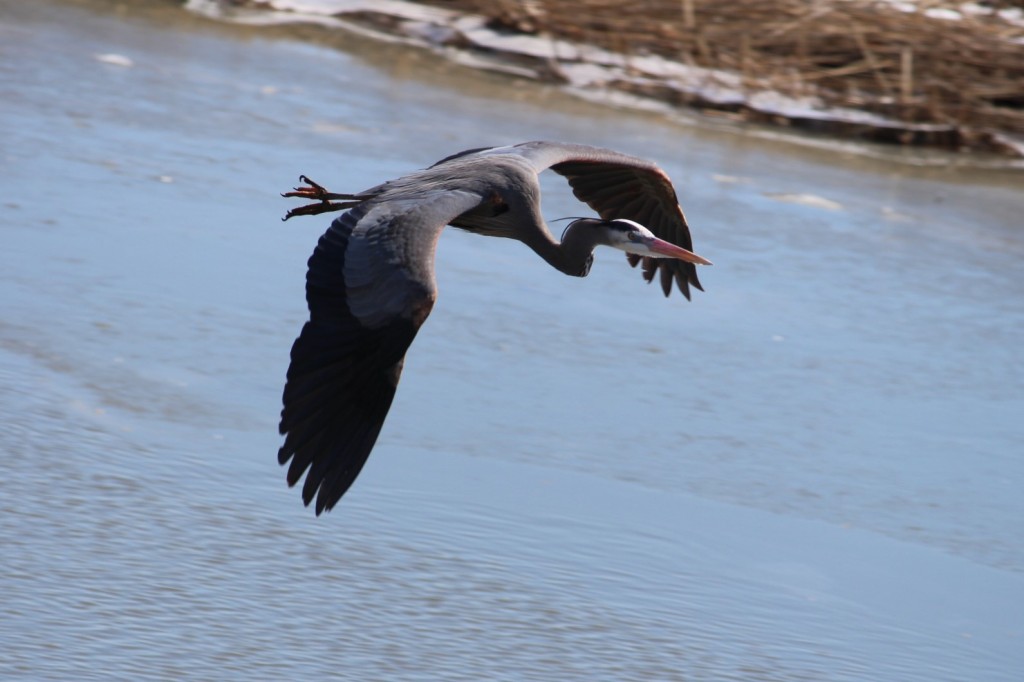
A close encounter with the Heron I usually see, the Great Blue (Ardea herodias).

In March of this year, I reposted my original blogpost (Cryptic Caterpillars) from my tumblr blog (anorfolknaturalist.tumblr.com) because I hadn’t finished any other blogposts for the month and I also want to repost all of my original tumblr blogposts on this website, with occasional minor edits and updating. I reposted another tumblr post in May (MacGregor Point Observations (May 2018)) And in October, I reposted yet another, this time with a Halloween theme: Eaters of the Dead.

In April I was amazed and delighted to find that Ravens were nesting on my parents’ property (specifically on their silo), so I wrote a post about my observations and their significance.

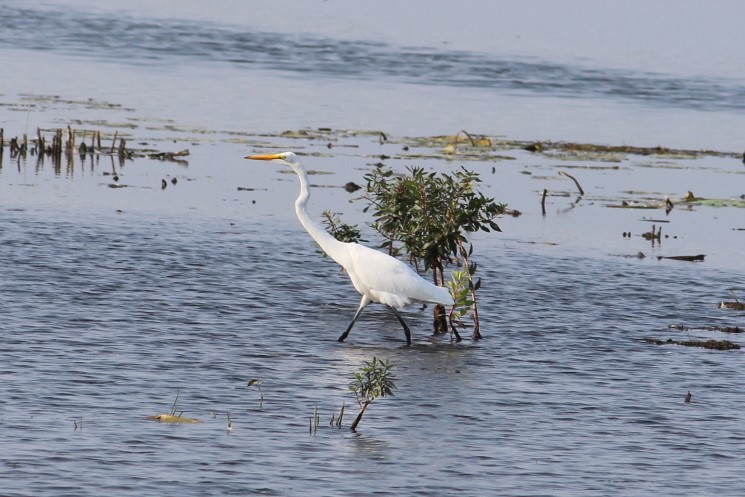
Great Egret (Ardea alba), in Long Point, September 2022.

In June I went to see Jurassic World: Dominion, the latest film in the Jurassic Saga. I wouldn’t say it’s a great film, but I did really enjoy it, especially with the theatre experience. I wrote a blogpost about my personal interactions with the Jurassic books/films/videogames and some paleontological things because they were on my mind a lot at the time. You will see that some of the books I read over the blogging year (overviewed below) were also inspired by my dinosaur obsession which comes and goes quite often.

Some of my most exciting observations this year were of birds that I encountered in Long Point. And some of the most exciting birds were members of the Heron Family (Ardeidae). Usually I see and take photos of Great Blue Herons (Ardea herodias) which is great but it was amazing to encounter several other members of this charismatic group of birds this year. My close encounter with a Green Heron (Butorides virescens) was so striking that I wrote it up into a blogpost: A Green Heron Stalks the Shallows.

Two other blogposts feature some of my Long Point observations. One is sort of a tour through a variety of observations I made during March 2022: Bullfrogs and Buffleheads. Another is more like the Green Heron post mentioned above, as it focuses on a specific bird that caught my attention. In this case, it was the Green-winged Teal (Anas carolinensis): The Teal Tale Teale Told.

During August, we took a trip to one of my favourite places: Algonquin Provincial Park. While there, I made some nature observations and took some photos, sharing them in my blogpost here: Algonquin in August.

And that wraps up my writing this year. Below, we will take a tour through the books I read this past year (that are nature/science related) and discuss them briefly.

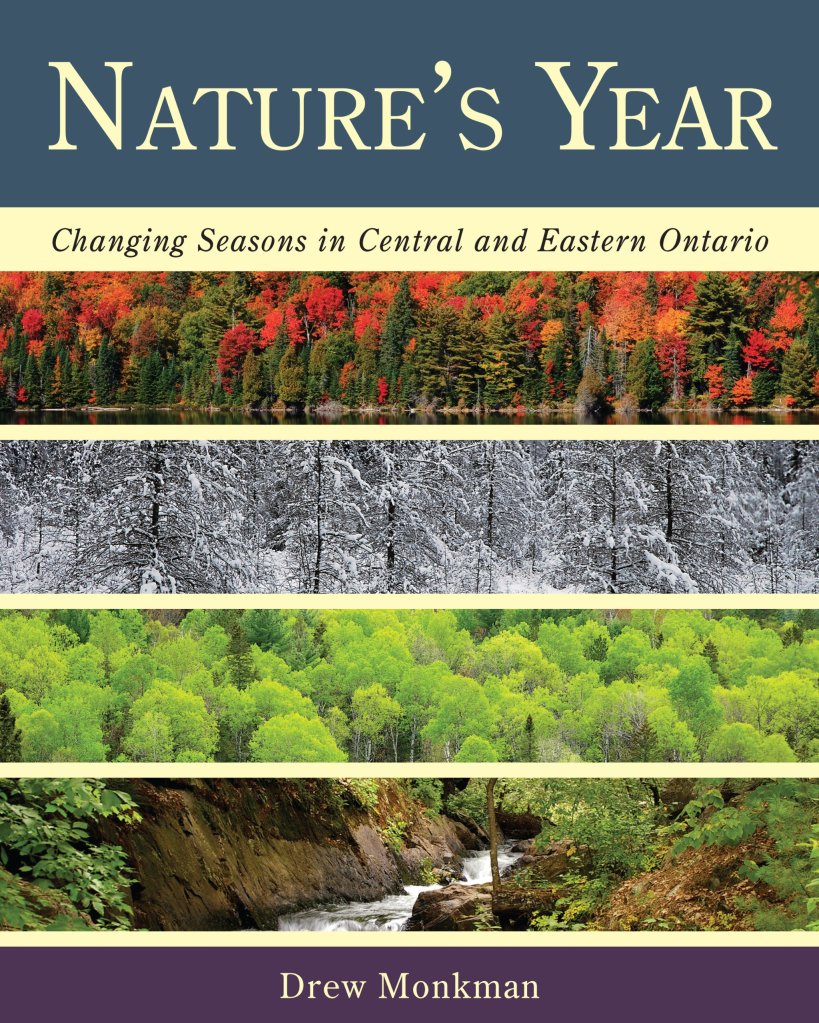
Nature’s Year: Changing Seasons in Central and Eastern Ontario, by Drew Monkman:


Although the book is not directly focused on my local area (Norfolk County falls outside of the books focal range), the close proximity of the areas documented mean that many of the natural phenomena described within are of relevance to the seasons around me as well. I really appreciated the layout of the book. Each month is divided into sections based on organism type: “Plants and Fungi”, “Reptiles and Amphibians”, “Mammals” and so on. Beneath each of these sub-headings, interesting happenings are described, some in point-form and others in detail (full page or two). It was great to witness the natural events mentioned in the book, to read along as each month progressed as I did in 2021. Reading the book through the year prepares your mind to see the natural events it describes. An advantage of the layout is that it also works well as a reference because you can flip to a certain month and type of organism to see what notable species or events are occurring.


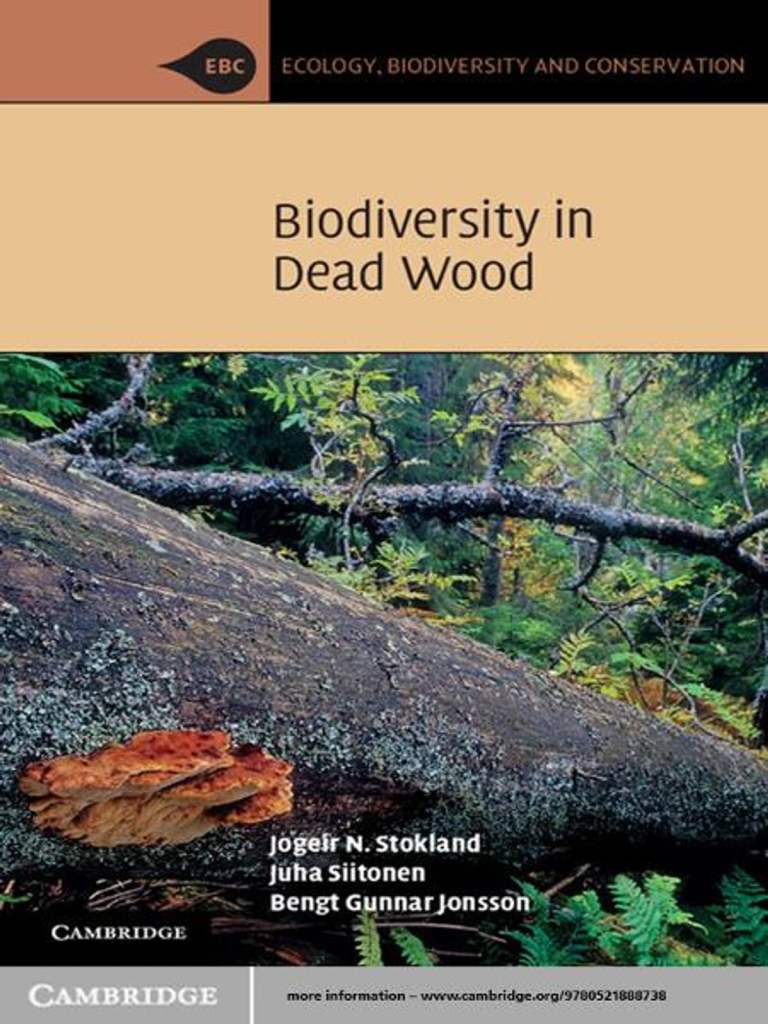
Biodiversity in Dead Wood, edited by Jogeir N. Stokland, Juha Siitonen, and Bengt Gunnar Jonsson:


A new favourite book of mine, this volume opened up the mysterious biome of decaying wood and explored the diversity of life within, from bacteria to birds. The interactions of organisms with each other and their environment is the heart of ecology and it’s clear from my reading that species are interconnected in fascinating and complex ways.


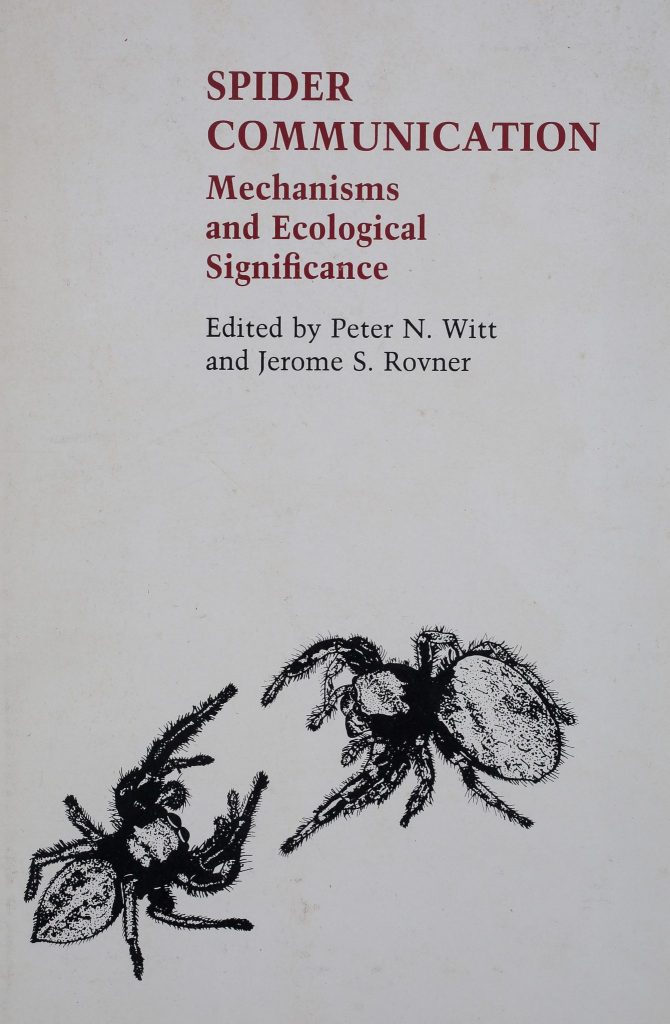
Spider Communication: Mechanisms and Ecological Significance, edited by Peter N. Witt and Jerome S. Rovner:


The title of this book drew me to it as I am always fascinated by animal behaviour and Spiders seem to me unlikely subjects of a volume dedicated to communication. Reading the book offers a new perspective on spider interactions with each other through their silk and body movements and even acoustics! They also communicate with predators and prey,

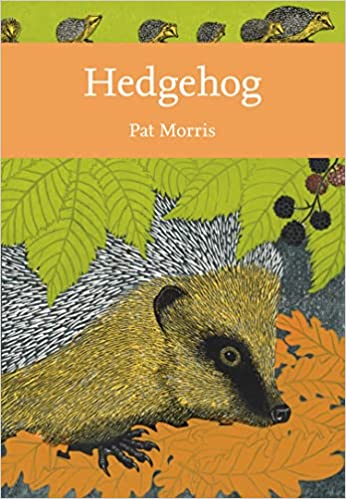
Hedgehog (Collins New Naturalist), by Pat Morris:


I didn’t really know anything about Hedgehogs before reading this book. And there was no need, as this volume summarizes in entertaining fashion most anything anyone would want to know about British Hedgehogs.


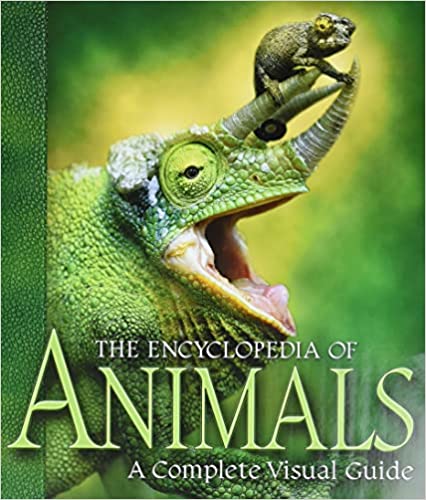
The Encyclopedia of Animals: A Complete Visual Guide, edited by George Mckay:


I read through this book slowly, as it is not really meant to be read straight through. This book serves best as a flip-through book, showcasing the diversity of animals around the world. The illustrations are at times a bit strange (I believe many are stock illustrations) and don’t seem to match with the animal they depict, but others are quite beautiful and the diversity they portray is fun to look at. The text is very cursory as would be expected with a popular “flip-through” tome like this. My major gripe with this book is something I used to harp on about all the time growing up as an insect enthusiast: Invertebrates are barely represented. Mammals get the majority of pages devoted to them, and Birds are close behind. Mammals and Birds are fascinating, and far more diverse than one would assume if you have only watched nature documentaries (which focus on the same set of species rather than showcasing the variety that are actually out there). Even still, they are a fraction of the diversity of the animal kingdom, which is more appropriately ruled in species numbers by the Arthropods or Mollusks. Despite this (a very common problem in overview books) I really had fun slowly reading through this book, taking in a page or so of variety a day. I wouldn’t say it is the best or most comprehensive of animal encyclopedias, but it serves as a good introduction as long as one is well aware of the classic hairy or feathered vertebrate bias.


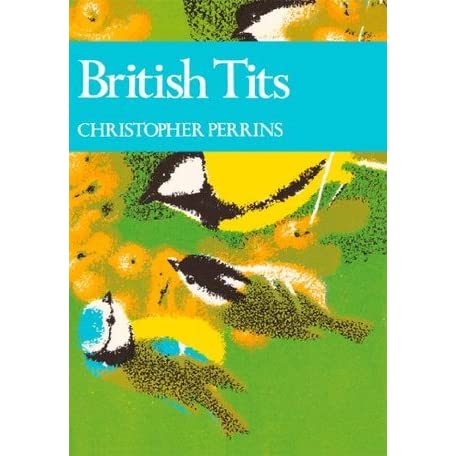
British Tits (Collins New Naturalist), by Christopher M. Perrins:


British Tits have always struck me as beautiful chickadees, which indeed they are. I was always jealous of Britain having the wonderful cheery birds I know from my backyard, but with more vibrant colour. Tits are fascinating birds, with life histories and behaviour to match their beautiful exteriors. This book was an excellent overview of the species of Parulidae that occur in the British Isles.

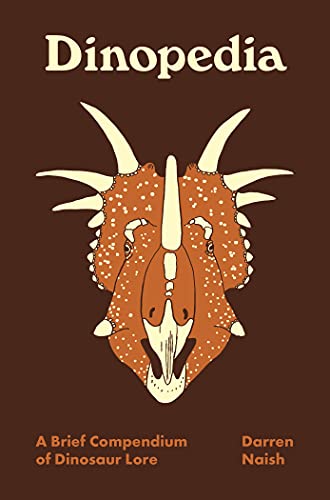
Dinopedia, by Darren Naish:

A compact and great little book filled with tidbits about the history of dinosaur research, some of the paleontologists who conducted said research or influenced the field of dinosaur study, and brief summaries on dinosaur groups. My personal tastes lie with this last group of entries, but each entry was interesting in its own way, supplying concise facts and summaries and highlighting areas of interest within the world of dinosaur research. I greatly enjoyed the illustrations by the author which really enhance the book.

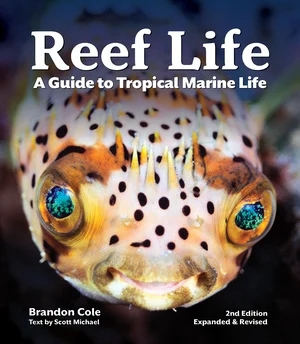
Reef Life: A Guide to Tropical Marine Life, by Brandon Cole and Scott Michael:


A delightful photo-focused tour through the world of coral reefs and tropical sea life. The focus is on fishes, while smaller sections describe and display some representative invertebrates. Styled something like a field guide, but with plenty of ecological and biological information throughout, this book gives a taste of the diversity of coral reefs and the interconnected lives of the species that create and depend on them.

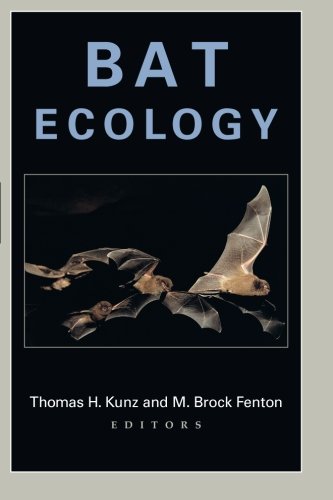
Bat Ecology, edited by Thomas H. Kunz and M. Brock Fenton:


Bats are fascinating, and I learned a lot about them from this book. Because of the book’s focus on Ecology, there was no real overview of Bats as a group which would have been nice for myself to have some sort of general idea before diving into specifics. Not a fault of the book, just something to note if you’re unfamiliar with bats from a scientific point of view. The chapters are each written by different authors and cover a wide range of topics, and as such there were excellent and enjoyable chapters (for myself the chapter on Roosting sites and the chapter on Pollination were particularly fascinating) and some chapters that were less so. Not a fault of the book, but my personal point of view and knowledge base left me struggling through the chapters on Sperm Competition and Patterns of Range Size. Those two chapters in particular felt like specific scientific studies rather than reviews of a subject area which the other chapters felt like. So, while mixed, the interest I have in Bats has certainly been increased and I have certainly learned a lot about some of the diverse ecologies that bats have around the world, while still wanting more.

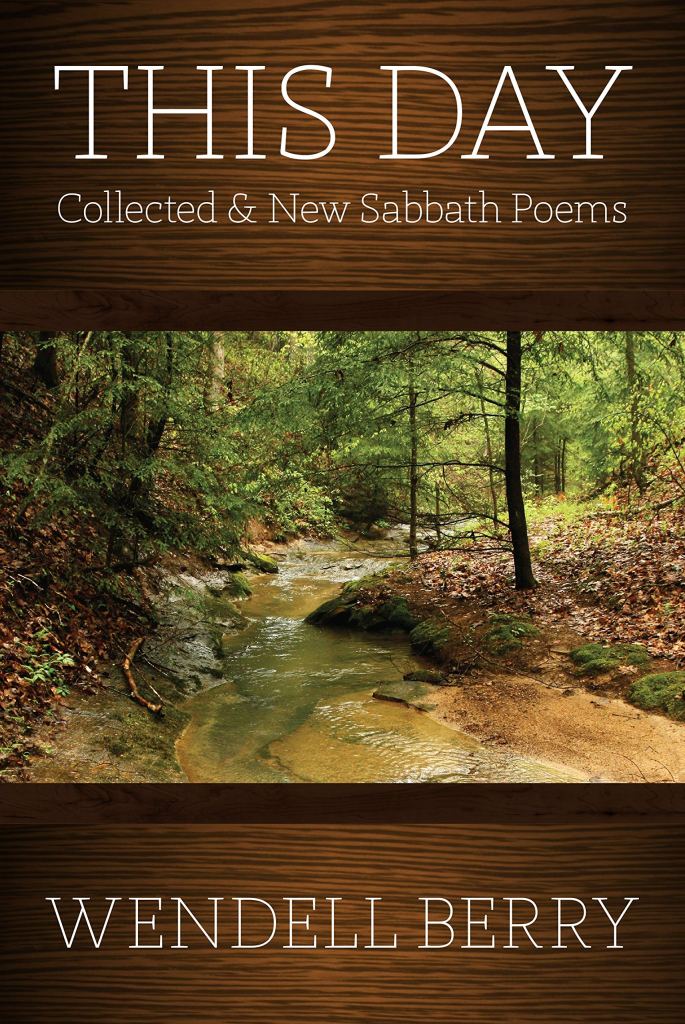
This Day: New and Collected Sabbath Poems 1979-2012, by Wendell Berry:

In the preface, Wendell Berry remarks that the poems should be read outside in similar circumstances to when they were written. And I originally envisioned doing so. When I began to read them in very different circumstances, I found that instead of diminishing the power of the poetry by contrast, the poetry brought the beauty and wonder of nature into my less-than-ideal setting (usually indoors in winter or at work).

Owls of the Eastern Ice: A Quest to Find and Protect the World’s Largest Owl, by Jonathan C. Slaght:


Although I will always want a book like this to have more focus on the animals themselves (in this case Blakiston’s Fish Owls) I thought this was a very interesting listen (I had the audiobook). Lots of adventures and misadventures in the Russian wilderness, as well as strange and intriguing people that the author encounters. And there was quite a bit about how the field research actually worked and the sorts of things I really was looking for: info and descriptions of the wildlife encounters including the focal species. Overall, a good read about an animal I didn’t know much about before and the efforts to research and protect it.

Dinosaurs Rediscovered: The Scientific Revolution in Paleontology, by Michael J. Benton:

I picked up this book from the library, inspired by my recent viewing of Jurassic World: Dominion, and found this book to be a mixed bag. I enjoyed some of the stories behind discoveries or changes in perspective on dinosaurs and their world… but I found other such stories to be irrelevant or out of place. In general, the flow of the book was a bit haphazard. The information within sated my appetite for dinosaurian (and some non-dinosaur) biology and ecology temporarily and I enjoyed the illustrations and figures.

Ant Ecology, edited by Lori Lach, Catherine L. Parr, and Kirsti L. Abbott:


Because this is an edited multiauthored volume, it becomes difficult to review the whole, as chapters are written with different topics and by different people. Overall, this was an interesting look at more recent ant research (20 years more recent than my other source for ant knowledge: The Ants by E. O. Wilson, written in 1990). There is a heavy conservation and practical (invasive ecology) focus to the book which may attract workers in these fields.

The Amber Forest: A Reconstruction of a Vanished World, by George Poinar Jr. and Roberta Poinar:


Fascinating gallery of ancient organisms preserved in amber of a particular age and location. Mostly insects and other arthropods which is fine by me, I enjoyed the overview of insect relationships and such that were covered alongside the representatives of the different groups found in amber. The format was a little strange and took some getting used to, I feel like there could have been a better way to present the images and the text but I don’t know, felt a little awkward flipping back and forth throughout reading. All in all, very interesting especially if you like insects and fossils.

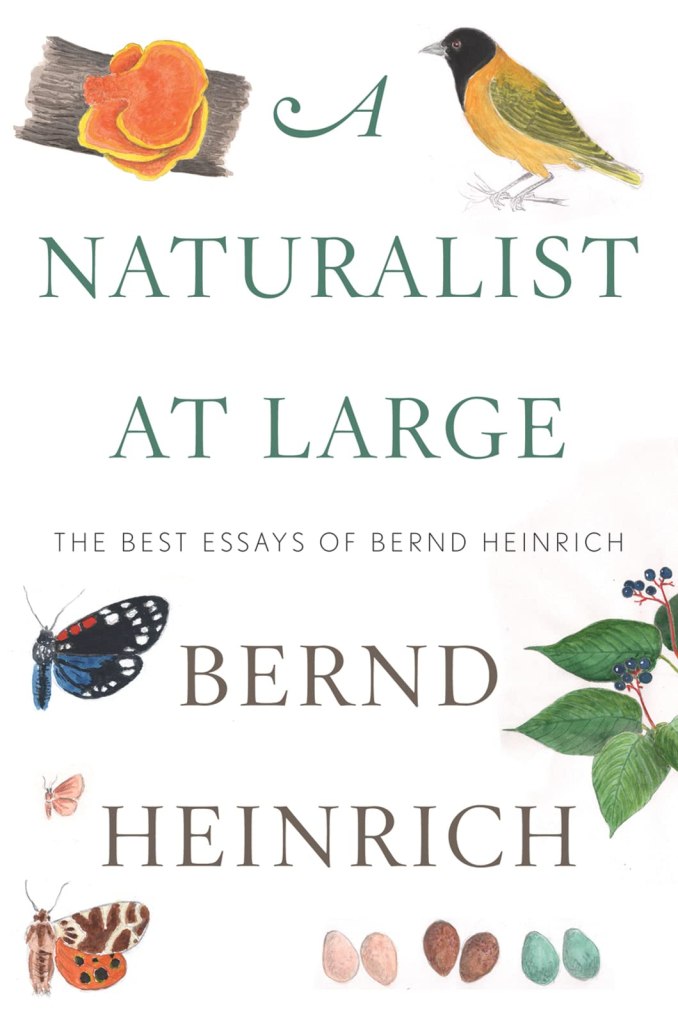
A Naturalist At Large, by Bernd Heinrich:


A fun tour through various natural history topics. Bernd Heinrich is curious about the nature he observes and doesn’t take things for granted and by doing so, he discovers by bits and pieces, fascinating natural history stories. I especially liked the chapters focused on birds or insects, perhaps due to my own interests and knowledge but I think perhaps it is because those were Bernd Heinrich’s research focuses as well and his insight there was thus enhanced.

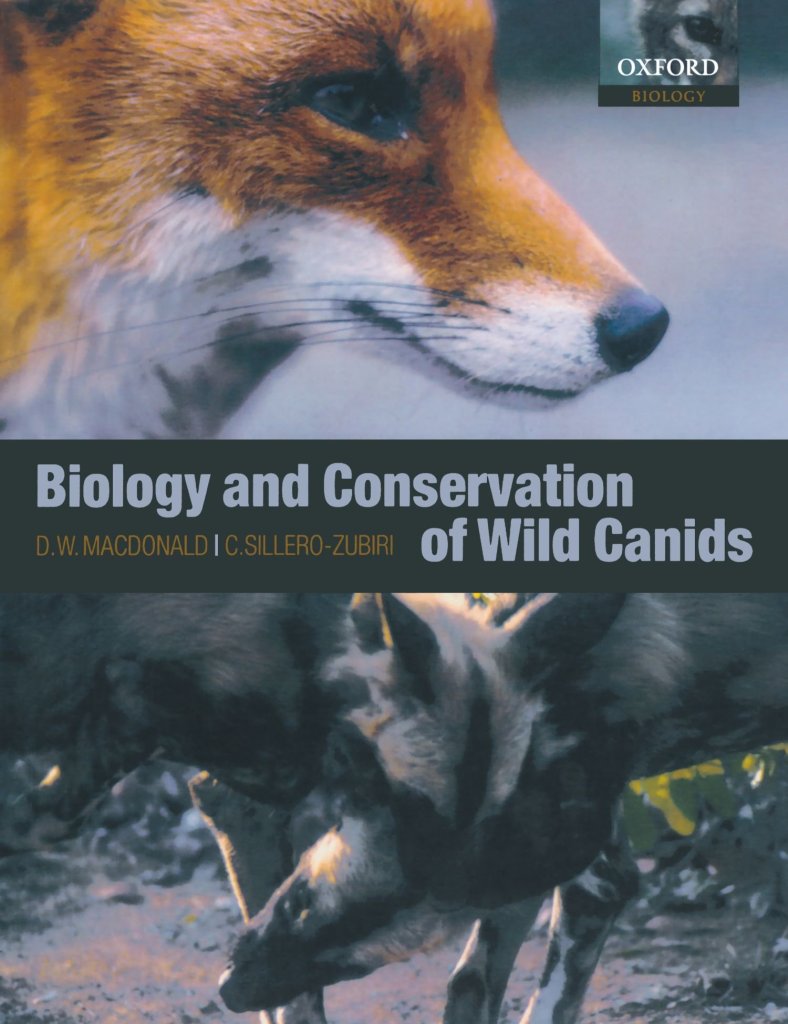
Biology and Conservation of Wild Canids, edited by D. W. Macdonald and C. Sillero-Zubiri:


A great review of Canid Conservation around the world. The case studies were interesting snapshots of species under investigation from Grey Wolves of Isle Royale, in Lake Superior, to the Blanford’s Fox in the deserts of the Middle East. While not comprehensive on the biology/ecology of canids (some species didn’t even get a case study chapter such as Bush Dogs), this was an excellent primer on the diversity of species and challenges in the canid research world.

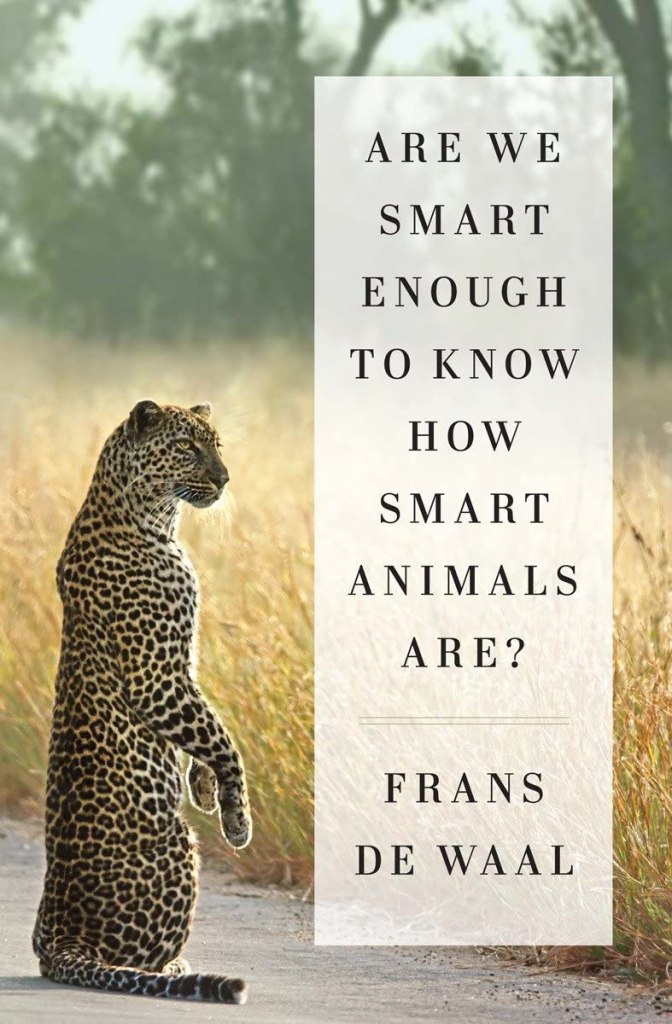
Are We Smart Enough to Know How Smart Animals Are?, by Frans de Waal:


A book aimed at tearing down the division between human and “animal” cognition. Presents a wide array of anecdotes and experiments that demonstrate that human thinking is a matter of degree and not a separate category altogether from the millions of other species on this planet. I was a bit disappointed that the author focused mainly on chimpanzee research (his own specialty) but this served to really break down the idea that human thinking is a different sort from other species as chimpanzees display many of our ways of thinking that humans previously considered unique to our species. I would have loved to read more about cognition in diverse species and phyla, the one section on invertebrates was intriguing but all too short, but all in all the book presents its arguments well, and discusses the history of thinking about animal thinking in an interesting and thought-provoking way.

That concludes my writing and reading overview for the past blogging year! Stay tuned for more nature sightings, observations, photos and natural history!


Categories
Nature Observations Tumblr Repost

Eaters of the Dead

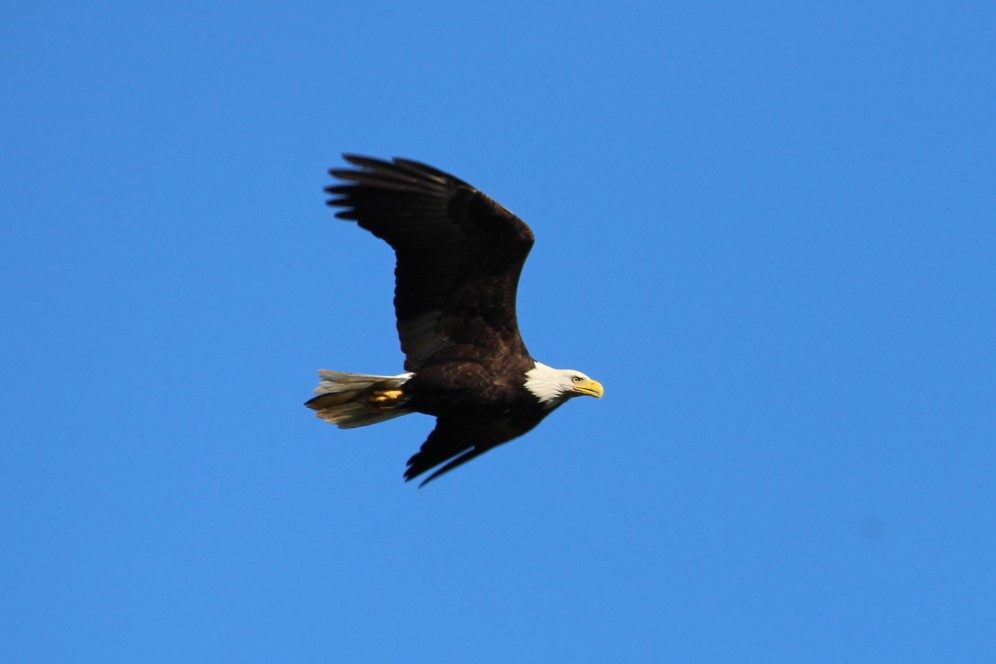
Bald Eagle photographed in Pinery Provincial Park, September 2021.

Here’s another repost from my old tumblr blog norfolknaturalist.tumblr.com. I’ve added some newer photos of the species involved but otherwise unchanged. Much of this article was inspired by my reading of the book Life Everlasting: The Animal Way of Death, by Bernd Heinrich. I thought the subject and title were appropriate for Halloween season.

Just as we were about to turn into my parents’ driveway last weekend (in April 2018), we saw probably the most iconic bird in North America less than 100 metres away from us down the road. A Bald Eagle (Haliaeetus leucocephalus) was dining on a Raccoon roadkill in clear sight. 

Perhaps it’s surprising that a bird of such noble renown was seen stooping to consuming carrion, something that we often see as repulsive. The truth is that the line between ‘predator’ and ‘scavenger’ is often a very blurred one. Most animals that eat other animals are willing to eat one that has already died or been killed. To the predator, it contains the same nutrients that it would obtain from its own kill but with much less effort (valuable time and energy) on their part. This isn’t to say that eating pre-killed remains is without risk for a predator or a scavenger. Besides the conflicts with other hunters over the resource, there is an omnipresent and invisible threat to all dead flesh.

Bacteria: organisms that are so tiny they are dwarfed by individual cells of our bodies. Despite being so small, and unseen without a powerful microscope, bacteria operate everywhere in the natural world and one of the most profound activities they perform is nutrient recycling and breakdown. While they disassemble cells and consume dead flesh, bacteria proliferate. Bacteria are the reason that predators can’t eat an animal body that’s been dead for too long. They are the reason dead things go “rotten” and become unpalatable by almost any animals. They are the unseen “competitor” with the visible and charismatic predators.

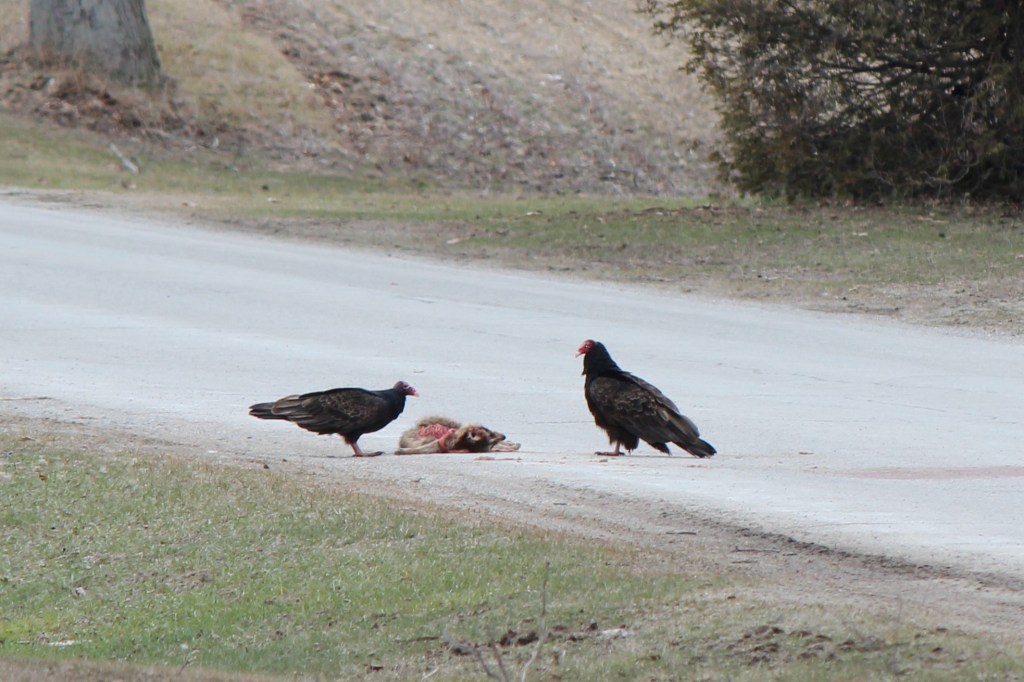
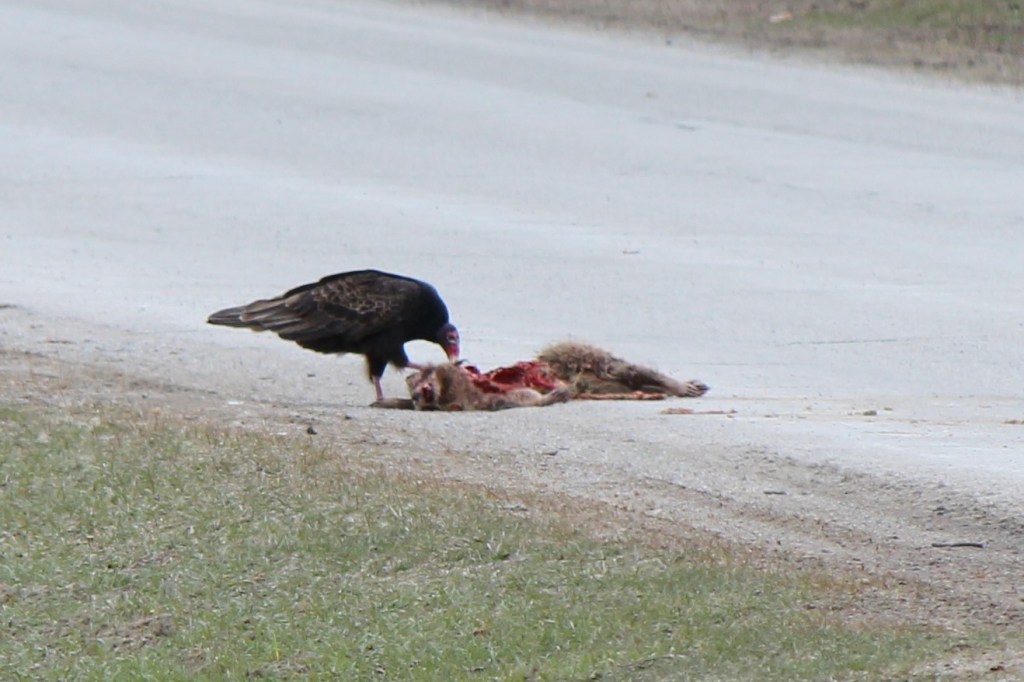
After at least an hour of feeding, and the frequent interruptions of cars passing, the eagle flew off and left the dead Raccoon. That is when the Turkey Vultures (Cathartes aura) moved in, creatures much more commonly associated with scavenging. And for good reason. Turkey Vultures have the most powerful sense of smell of any bird, and can detect a dead animal from over a mile away. What’s more, they can eat flesh that other creatures would turn down as too far gone. Their digestive system is able to break down the toxins of the ever-present bacteria, making them capable of consuming rotten flesh, where others cannot. 

It may be a grisly business, the consumption of the dead, but it is an essential (and amazing) part of ecosystems around the world.

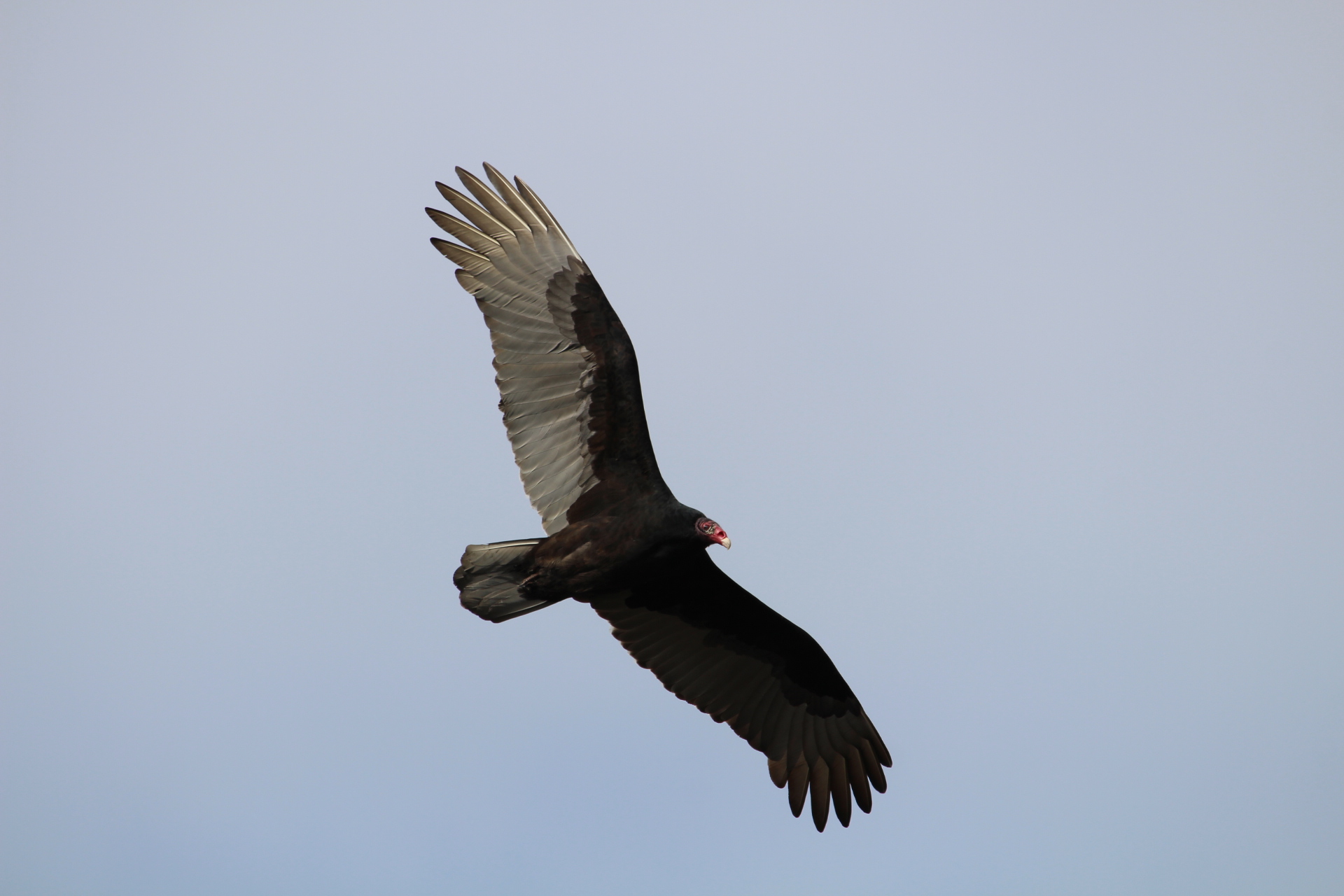
Turkey Vulture photographed in Long Point, October 2021.

Categories
Nature Observations

Return of the Ravens

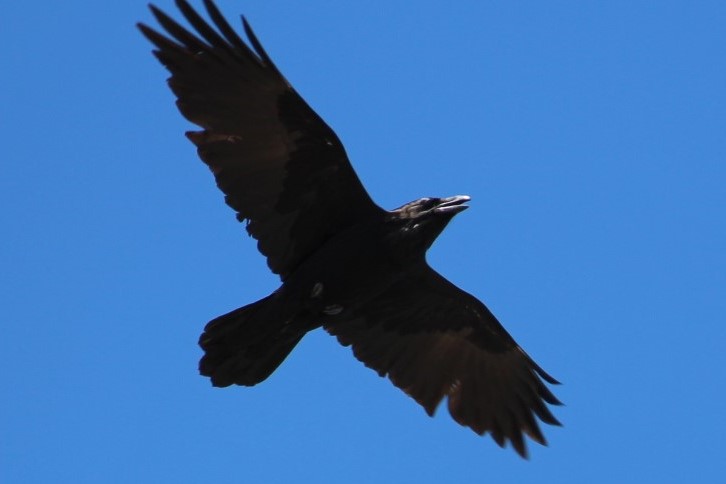
Ravens are awesome, beautiful birds.

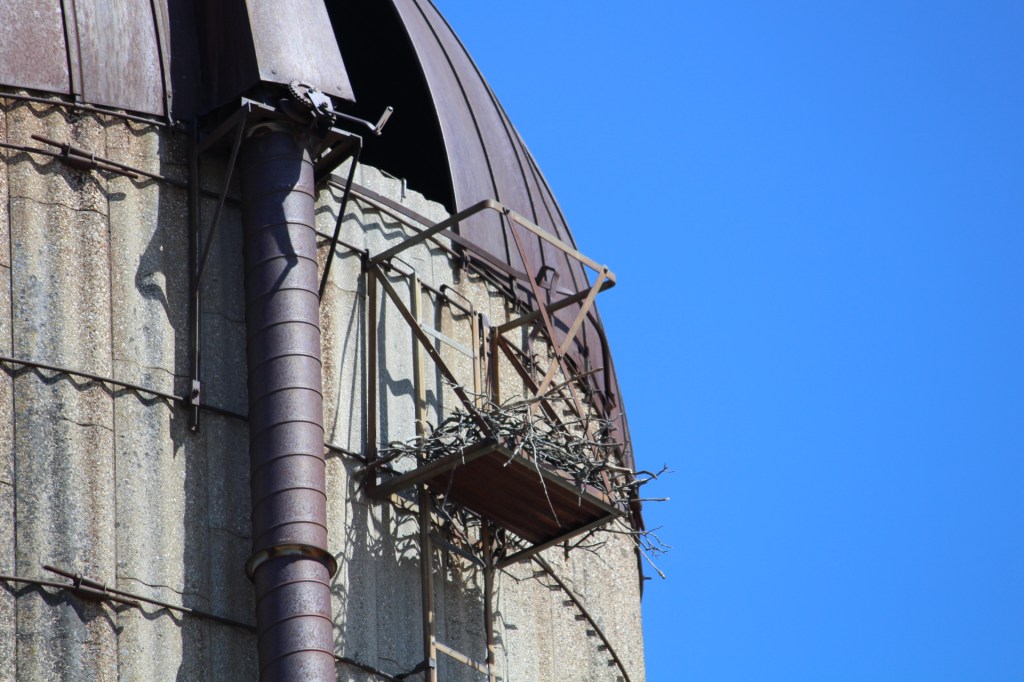
My parents’ farm property in Norfolk County has been blessed by the construction of a very exciting nest. One day when I arrived at their house and opened my car door I was greeted by the distinctive “croak” of a Common Raven (Corvus corax). The sound startled me, placing me in the woodlands of Algonquin Park, but there was no mistaking that call, and the size of the bird making it. I could see the calling raven, perched atop an unused silo. As exciting as this brief sighting was, the true significance of this bird’s presence was not yet revealed.

Later that same week, my Mom asked about the large crows and mentioned that they were building a nest on top of the silo. She said they went back and forth with sticks in their beaks. Maybe this news wouldn’t be so exciting to some people but for myself the thought of a raven nest that I could regularly observe was exhilarating.

And observe it I have!

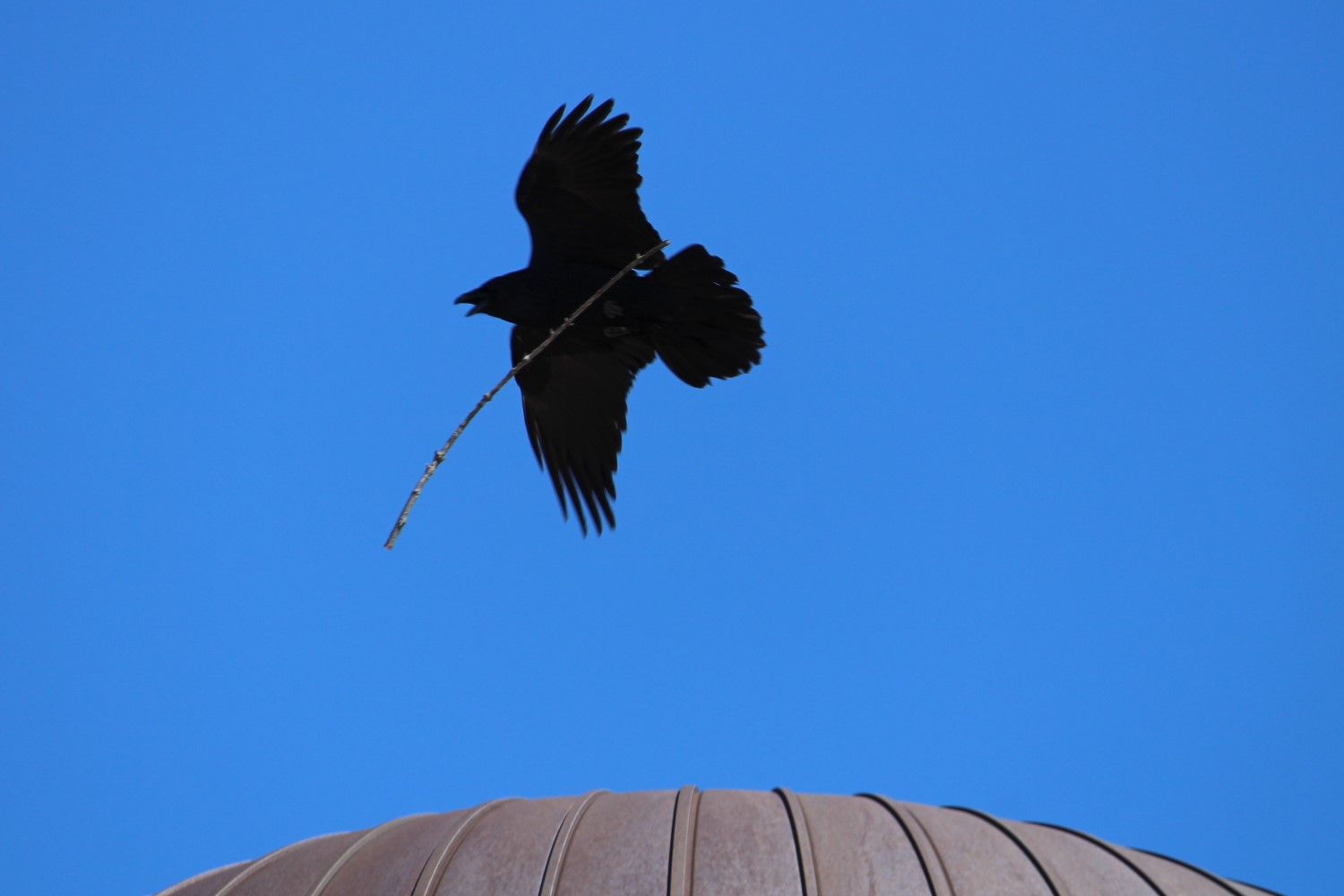
On a recent visit, I went back to check out the nest and take some pictures. After only a few moments of watching the silo, I heard the sounds of one of these amazing birds returning and saw it carrying a  large stick in its beak. The raven dropped the stick onto the nest pile without even landing, continuing to soar through the sky on its powerful wings. Apparently, if a dropped stick doesn’t stay in the nest, the ravens won’t pick them up again off the ground (Stokes and Stokes 1989). The sticks are taken from tree branches, broken off by the ravens, not collected from the ground (Stokes and Stokes 1989). In addition to large sticks, the nest could contain dirt and grass clumps as well as an interior lining of gathered hair or bark (Stokes and Stokes 1989).

The raven didn’t even land, just dropped the stick from the air onto its nest.

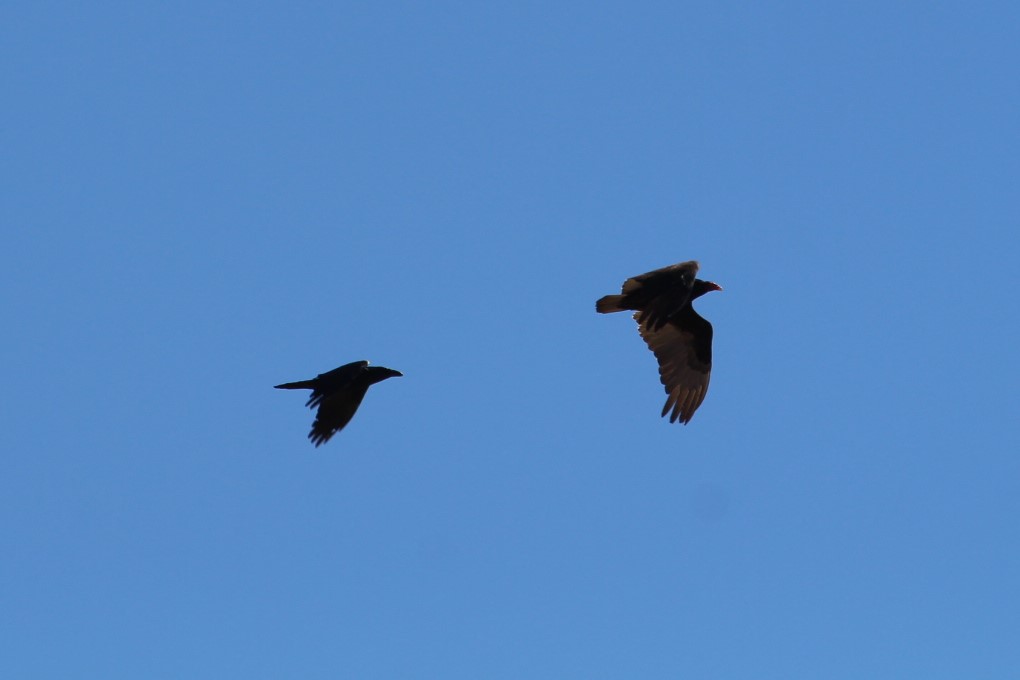
A few minutes later, a turkey vulture (Cathartes aura) came drifting towards the silo. The large bird seemed to be planning to perch atop the silo, something I have seen vultures do previously. Swooping onto the scene with deep throaty “croaks” the raven pair chased the vulture off into the distance, something that was reminiscent of the classic behaviour of corvids mobbing raptors or owls.

One of the ravens pursuing a turkey vulture.

As I said at the beginning of this post, the call and sight of ravens makes me think of Algonquin Park, and that’s for good reason. Until now, it was the only location I had seen these birds. Ravens used to be common across all of Ontario but mainly due to habitat destruction and human persecution, they have been mostly absent from far southern Ontario for about a century (Cadman et. al. 1987). Ravens were even rare in Algonquin Park until the 1960s because of the poisoned baits left out for wolves (Tozer 2012). The most recent field guide I have (Bezener 2016) still has the raven range map cut off before reaching most of Southern Ontario.

I’ve tried unsuccessfully to find a good source for the current breeding range of ravens in Ontario, but I suppose I’ll have to wait for the next edition of the Breeding Bird Atlas, which is collecting data right now (2021-2025) for its creation. It’s an amazing project, and if you have the time to contribute go for it! Suffice to say, this nest of ravens is a fairly new thing in my area and is very exciting. I hope that they have a successful nesting season, and I have a feeling I will have more posts about this nest in the future! At the time these observations were made (March 29, 2022) the ravens have possibly already laid eggs in the nest, as Tozer (2012) gives a range for Alqonquin raven egg-laying as March 20 – April 19. Stay tuned!
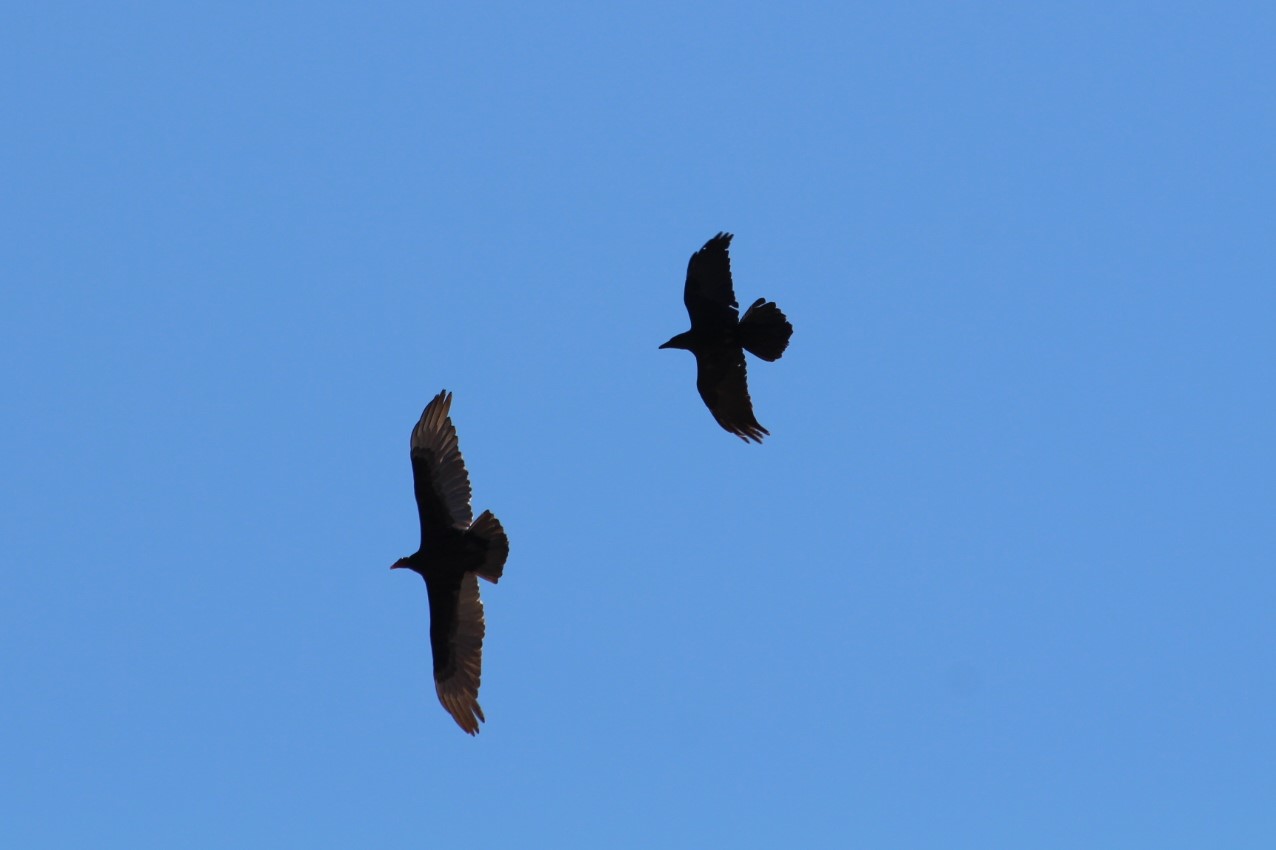
Raven and turkey vulture, showing nicely the relative wingspans of these two large birds.

References:

Bezener, Andy. 2016. Birds of Ontario. 376 pp. Partners and Lone Pine Publishing.

Cadman, M. D., Eagles, P. F. J., and Helleiner, F. M. 1987. Atlas of the Breeding Birds of Ontario. 617 pp. University of Waterloo Press.

Tozer, Ron. 2012. Birds of Algonquin Park. 474 pp. The Friends of Algonquin Park.

Stokes, Donald and Stokes, Lillian. 1989. A Guide to Bird Behavior. Volume III. 397 pp. Little, Brown, and Company.

For Previous articles that have some relevance to this one, see:

Canada Jay (Perisoreus canadensis)

Algonquin Observations, Part 3 – Peck Lake Trail

Fuzzy Flies and Song Sparrows

Categories
Nature Observations Top 20 Photos 2013-2020

4. Common Five-Lined Skink (Plestiodon fasciatus)

Subject: Common Five-lined Skink (Plestiodon fasciatus).

Location: Pinery Provincial Park.

Date: May 2017.

For an Introduction to this series (my Top 20 Nature Photos of 2013-2020) go here.

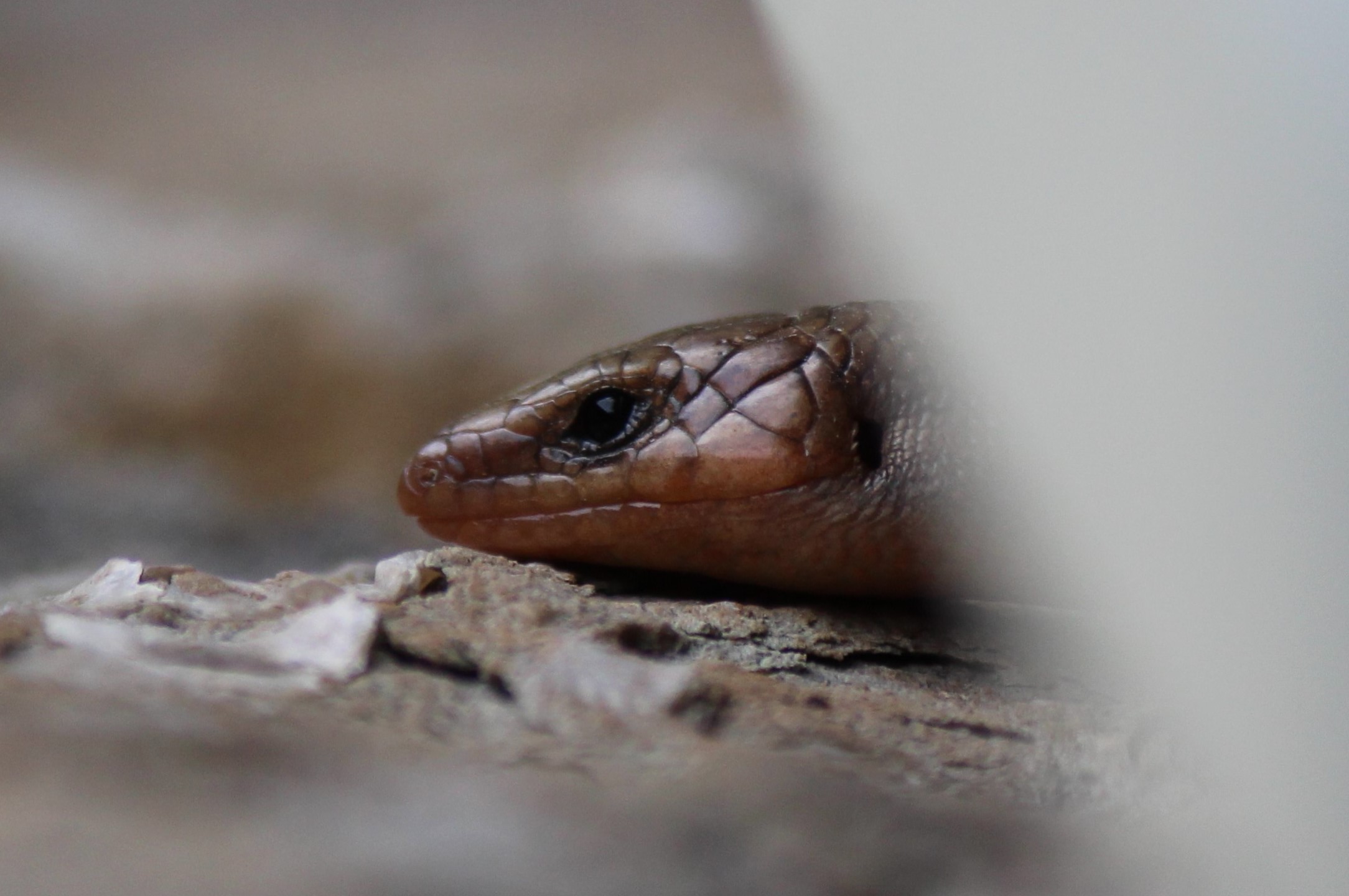
The Story Behind the Shot: As I mentioned in the previous photo-story, I have only rarely sought out a target species when photographing or wandering in nature. Instead, I usually just stumble upon whatever I stumble upon and find out about it later. Not so at Pinery Provincial Park, one of the only locations I’ve visited where I can see a wild lizard. While camping in the park, I had always dreamed of spotting that elusive beast: the Common Five-Lined Skink, the only lizard species that lives in Ontario. It was actually on the way to the bathroom that I spotted this creature, poking out from behind a bulletin board with announcements attached to the outside of the facility. The creature dropped down out of sight when I walked past. I caught sight of the animal out of the corner of my eye and my brain only registered what I saw a few seconds later. Then I raced back to my campsite to retrieve my camera and raced back to hopefully capture some pictures of this almost mythical creature. Thankfully the Skink hadn’t moved away and I was able to take a few pictures, my heart pounding with excitement. 

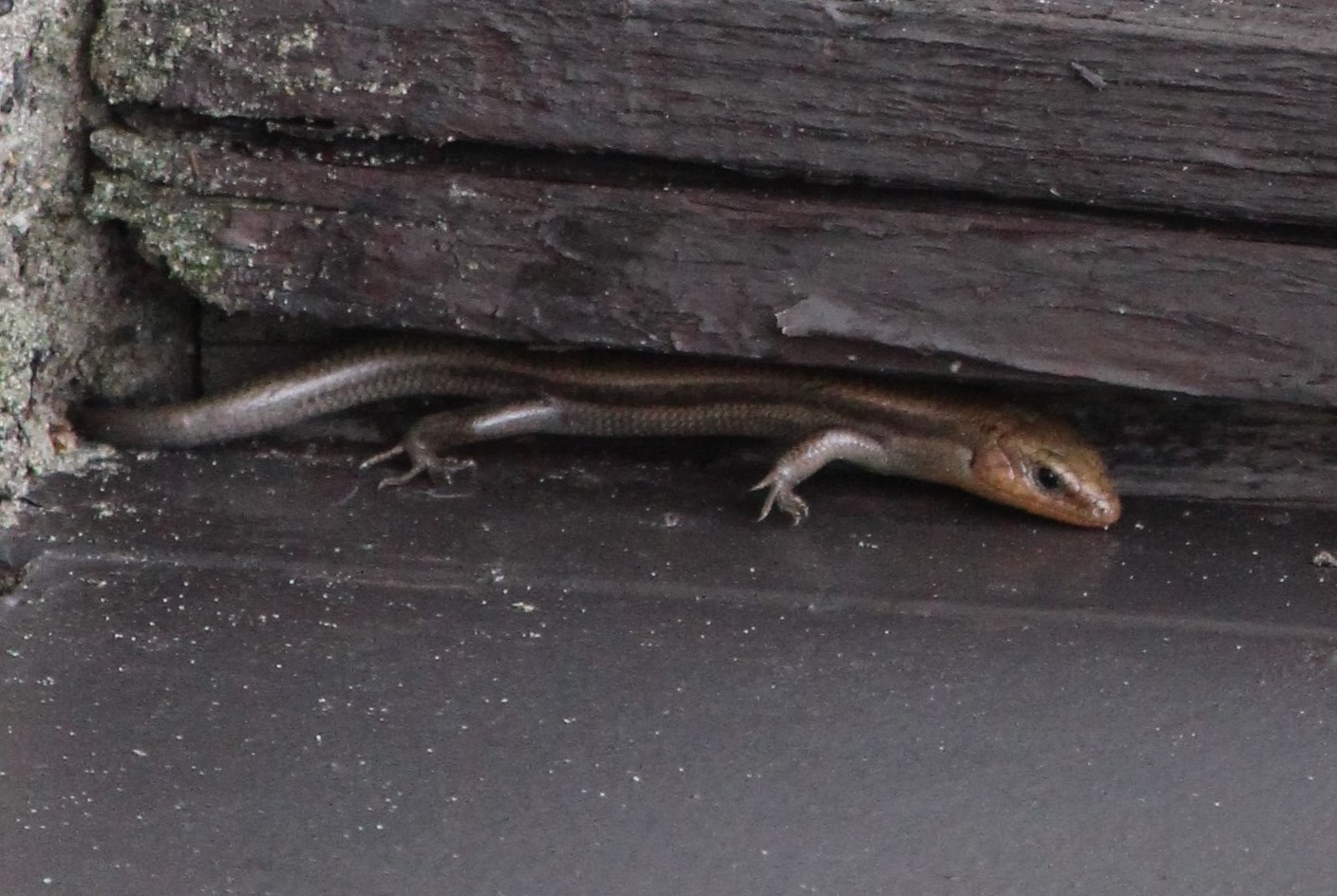
The Story Behind the Species: Before we get into the more general information about these Skinks, I’d like to take a moment to describe what I can of this individual lizard that I observed and photographed. Because of its size and coloration I can tell you that it was an adult male skink. Young five-lined skinks have a bright pattern of yellow stripes on black, with a strikingly blue tail. Some female skinks retain the blue tail into adulthood but males’ tails usually fade to grey, and they develop a reddish-orange head which is evident in the pictured individual.

Here is another shot of the same individual skink. You can see the striped pattern slightly, and his orange-ish head coloration. No blue tail here, which along with the orange head marks this as an adult male. Also note that this picture (and the one above) is rotated, the tail here is touching the concrete foundation of the restroom.

It takes two or three years for five-lined skinks to reach maturity (Harding and Mifsud 2017), so this individual was likely at least two years old when I encountered it.

Although the five-lined skink is the only lizard species in Ontario, and within the province its distribution is limited to coastal dunes along the edges of the Great Lakes, populations of this species range across much of the eastern United States all the way south to Florida and Texas. Because of this wide range of latitude, some populations experience much colder conditions than others. The populations in Ontario and northern populations in the United States spend the winter inactive and dormant (around the Great Lakes from about October to late April) (Harding and Mifsud 2017). These dormant lizards hide themselves away in stumps or logs, rock or building crevices, or mammal burrows. It’s intriguing to think of a five-lined skink taking refuge from the Canadian winter inside the burrow of a chipmunk and it seems that this likely happens.

In the spring, the skinks emerge from dormancy and form loose territories which males will defend against other males in order to mate with receptive females. A month after mating, the female finds a hidden nest site (in the same sorts of places used for overwintering, see above) and lays up to 20 eggs (Harding and Mifsud 2017). After 1-2 months, the eggs hatch and the hatchlings leave the nest within 1-2 days.

As already mentioned the juveniles have bright blue tails and a pronounced striping pattern down their backs, adult males have bright reddish-orange heads especially during the breeding season (May-June in Ontario). You might expect that these lizards use visual cues for reproduction, and they likely do but they also have a powerful sense of smell which has been shown to be capable of distinguishing reproductive characteristics of other skink individuals (such as maturity and sex) and a related species has even been shown to be able to distinguish individuals by scent (Cooper 1996).

It seems that the bright blue tails are more of an antipredator adaptation than a visual signal to other skinks (though it no doubt functions as both). How does the tail help a skink escape predation? The colour draws the eye of visually-hunting predators, distracting from more vulnerable parts of the skink such as the head or torso. And I’m sure you’ve heard this one before: if seized by a predator, the tail can become detached and will even wriggle for several minutes on its own.

What sort of predators hunt five-lined skinks? Basically anything that can catch these swift little lizards: snakes, mammals, birds, and perhaps most surprisingly… Spiders. An excellently illustrated and fascinating book about lizards, Lizards: Windows to the Evolution of Diversity (Pianka and Vitt 2003), contains a photo of a juvenile five-lined skink caught by a spider (p. 66). Usually the invertebrates are on the menu for the skink which feeds on a wide variety of leaf-litter inhabitants. Large skinks will feed on small vertebrates as well such as frogs or baby mice.

Well, that’s that: the only lizard species in Ontario, and I was lucky enough to see and photograph it.

Next up is a two-for-one (two species in one photo) which features an insect that has caught another, both species are fascinating. Stay tuned…

References:

Cooper, W. E. Jr. 1996. “Chemosensory recognition of familiar and unfamiliar conspecifics by the scincid lizard Eumeces laticeps.” Ethology 102: 1-11. cited in: Pianka, Eric, and Vitt, Laurie. 2003. Lizards: Windows to the Evolution of Diversity.

Harding, James H. and Mifsud, David A. 2017. Amphibians and Reptiles of the Great Lakes Region: Revised Edition.

Pianka, Eric, and Vitt, Laurie. 2003. Lizards: Windows to the Evolution of Diversity.Pianka, Eric, and Vitt, Laurie. 2003. Lizards: Windows to the Evolution of Diversity.

For the previous articles in my Top 20 Nature Photos of 2013-2020 series, see:

Introduction

-1. The Pale-Painted Sand Wasp (Bembix pallidipicta)

2. Moose (Alces alces) Family

3. Canada Jay (Perisoreus canadensis).

Categories
August 2021 Observations Nature Observations

Parasitic Plants and other Non-Fungi (NFN Fungi Hike Part 3)

Last August, I went on a hike in Backus Woods with the Norfolk Field Naturalists to identify and photograph fungi. For the first two parts of the observations I made during the hike, see Part 1 and Part 2. My two previous posts covered all of the fungi (and several interesting non-fungi including wood frogs and fungus weevils) that I photographed and described some of their interesting biologies and ecologies. This final post is a roundup of the non-fungi observations I made during the hike.

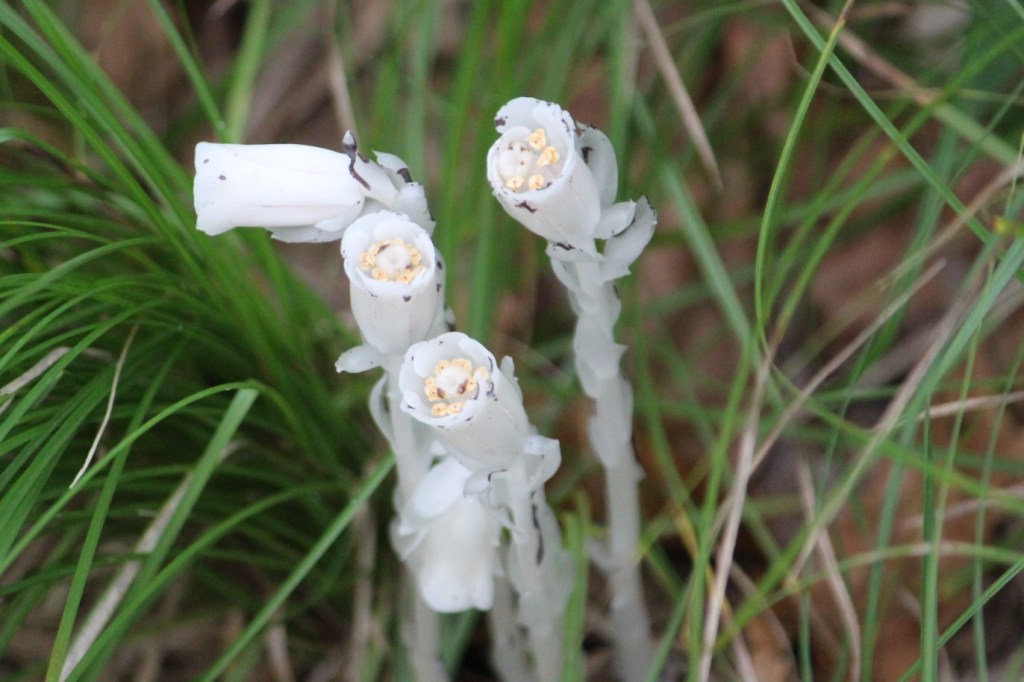
You would be forgiven for thinking that this next observation also represented the fruiting body of a fungus. Instead, this drooping white organism is actually a plant without chlorophyll (and thus without the colour green and without the ability to capture light from the sun and turn it into sugar). Ghost Pipes (Monotropa uniflora) are parasitic plants, which feed indirectly on the roots of their host trees via underground fungi that attach to the roots in a mycorrhizal relationship (Runtz 2020). The flower heads droop, and give this strange flower its name of “pipe” but when they are pollinated (by bees usually) they will raise their flowers straight upward (Runtz 2020).

Some more traditional plants (you know, ones that are green and perform the magic of photosynthesis) were also spotted along the trails. I learned that the bright red clusters of berries were the ripened fruits of George-Michael-in-the-Banana-Stand (Arisaema triphyllum)*. Besides the red berry clusters, we also saw representatives with green berries that hadn’t ripened yet. Although they may look edible, these red berries contain high levels of oxalic acid and cause painful burning in people that eat them… although apparently white-tailed deer, wild turkeys and wood thrushes will eat them and be fine (Holland 2016).

*more traditionally, the common name is Jack-in-the-Pulpit and most people probably know it by this name, but I couldn’t resist using the new common name proposed by The Field Guides Podcast (for my review of the Field Guides Podcast go here)

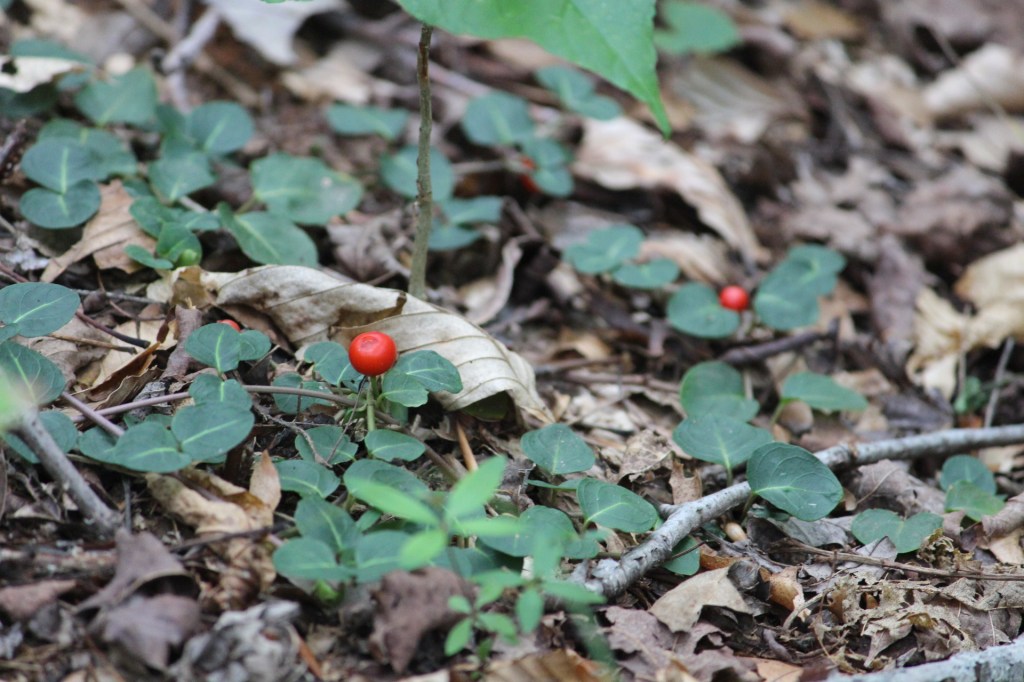
Another red-berried plant was a new one for me: Partridgeberry (Mitchella repens). These red berries are edible, but apparently tasteless. The flowers are pollinated by bumblebees and as the name suggests the berries are consumed by ground-birds (such as grouse and turkeys), but also by skunks and white-footed mice (Hayden 2012). You would think that partridges would eat these berries… but we don’t have any partridges in North America, and this species only grows here… so here we have a very useless common name.

Partridgeberry growing and spreading through the leaf litter.

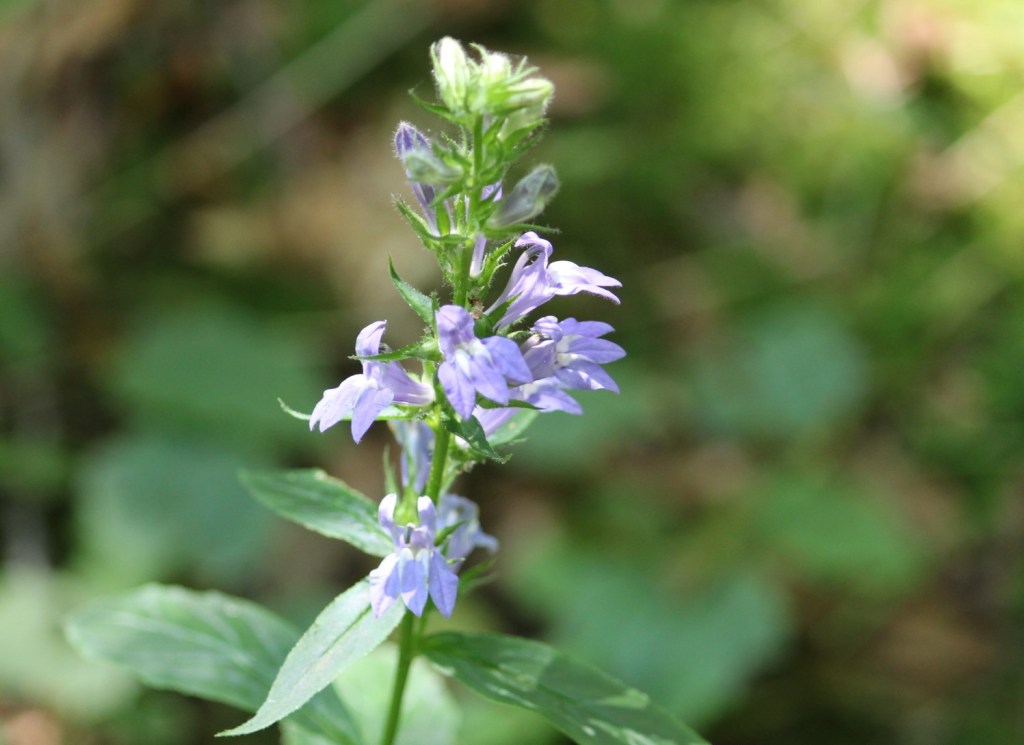
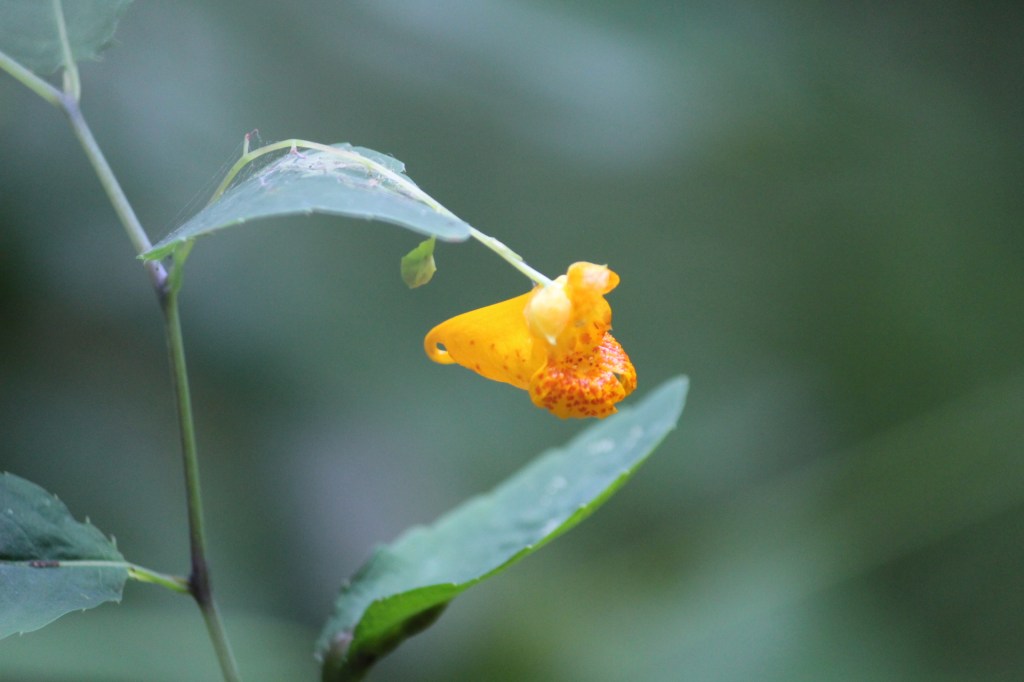
Two other wildflowers added colour and beauty to our hike: Spotted Jewelweed (Impatiens capensis) and Great Blue Lobelia (Lobelia siphilitica). Spotted Jewelweed is pollinated mainly by hummingbirds and bees, while the Great Blue Lobelia is pollinated mostly by bumblebee (Eastman 1995). I unknowingly captured this interaction between Ruby-throated Hummingbirds and Spotted Jewelweed in the past, so I’ve included a picture here.

A few interesting arthropod encounters also enhanced the hike. An American Giant Millipede (of the Narceus americanus complex)* was found in curled defensive posture. 

*the complex refers to the fact that this “species” is actually made up of many species that may be extremely difficult to distinguish

American Giant Millipede in defensive spiral. I didn’t mean to disturb you!

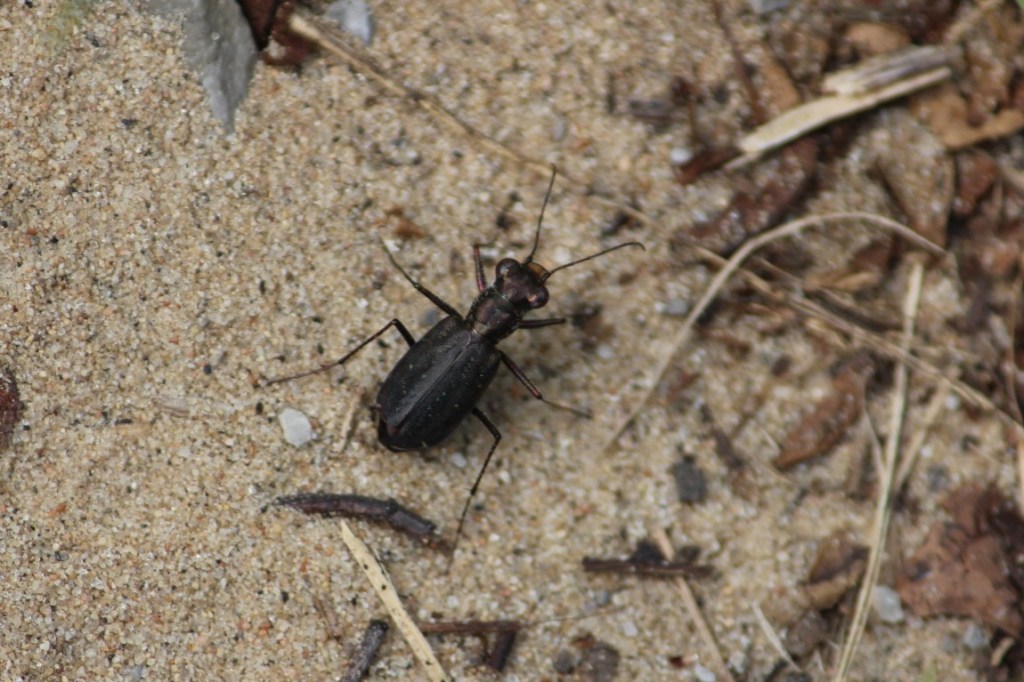
On the way out of Backus Woods, I spotted some speedy insects scurrying across the sands and gravels of the path, those predatory jewels known as Tiger Beetles (Cicindelinae). The two species that I spotted and photographed were the Punctured Tiger Beetle (Cicindela punctulata) and the Big Sand Tiger Beetle (Cicindela formosa). 

I hope you enjoyed this tour through Backus Woods with a focus on Fungi. I know I learned a lot and am excited for future outings with the Norfolk Field Naturalists!

References:

Eastman, John. 1995. The Book of Swamp and Bog.

Hayden, W. John. 2012. “2012 Wildflower of the Year: Partridge Berry, Mitchella Repens.” Virginia Native Plant Society Brochure, 2012, 1-3.

Holland, Mary. 2016. Naturally Curious Day by Day.

Runtz, Michael. 2020. Wildflowers of Algonquin Provincial Park.

For more Nature Observations in Norfolk County, see:

-Fascinating Fungi (NFN Fungi Hike, Part 2)

Freezing Frogs and Fascinating Fungi (NFN Fungi Hike Part 1)

-A Visit to Big Creek, Part 1 and Part 2

The Wonders of Wrens

Cuckoo Wasps and Carpenter Bees

Flies Falling to Fungi and Other Dipteran Observations

Fuzzy Flies and Song Sparrows

Leafhoppers, Lepidopterans and Longhorns

And for more nature observations, photos and natural history facts, follow me on instagram at norfolknaturalist