Categories
Blogversary

Happy 5 Years, Norfolk Naturalist!

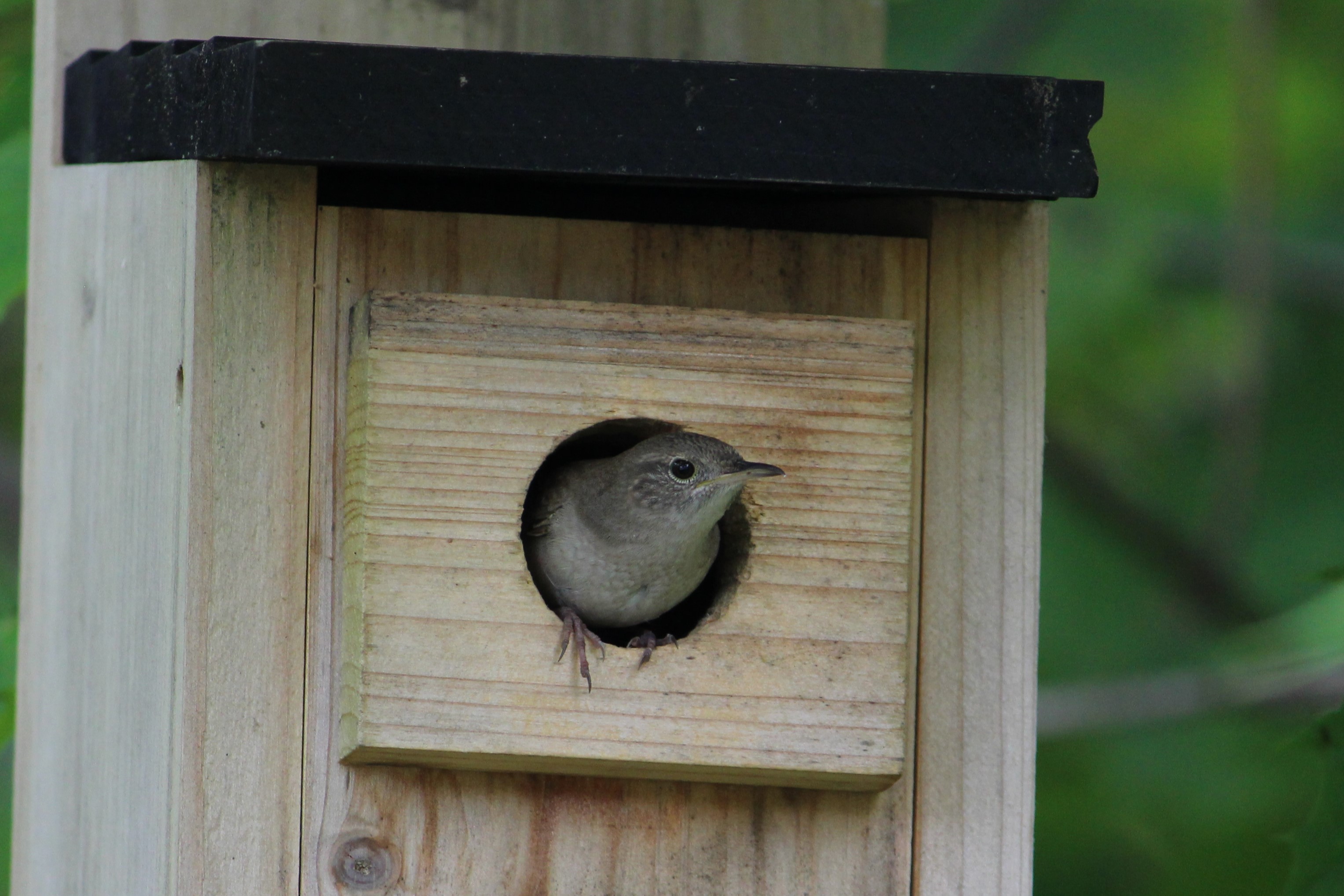
This past Summer my backyard was home to a House Wren (Troglodytes aedon) Nest.

Today marks 5 years of nature blogging on norfolknaturalist.ca! For my blogversary, we’ll do the usual summary of the past blogging year interspersed with some pictures and then we’ll look at some mini reviews of nature-related books I read this past year. In December, I’ll post my top photos from the past blogging year and take a look at the creatures featured in said photos. Here we go!
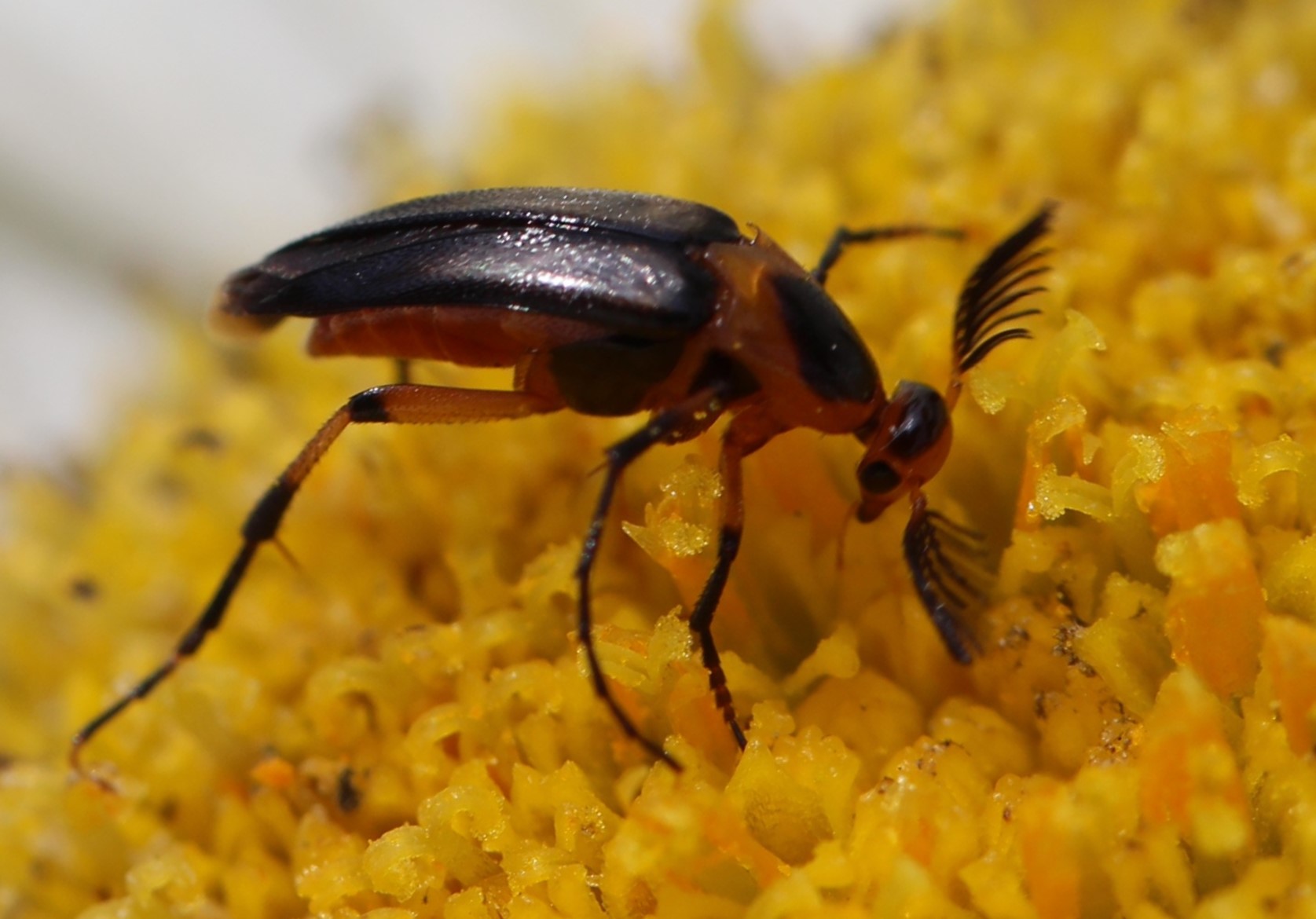
A Bordered Wedge-shaped Beetle (Macrosiagon limbata) in my backyard this past summer. He (you can tell it’s a male because of the impressive antler-like antennae) had shoved his head deep into this flower before pushing back to reveal his antennae.

As is tradition, I began last year’s posts with a roundup of photos from the past blogging year: Norfolk Naturalist Year in Photos (Dec 2022-Nov 2023). My first series of posts in 2024 were detailing my Algonquin observations from August 2023. This time, instead of following a strict chronology, I focused on the different areas I spent time at and the things I observed there. I began with organisms observed on or near our campsite, moved on to the Lake shore observations within Pog Lake Campground, and then described what I have come to call “Warbler River”. My final post in this series was all about the creatures I observed on the Peck Lake Trail, including carnivorous plants and dazzling dragonflies. 
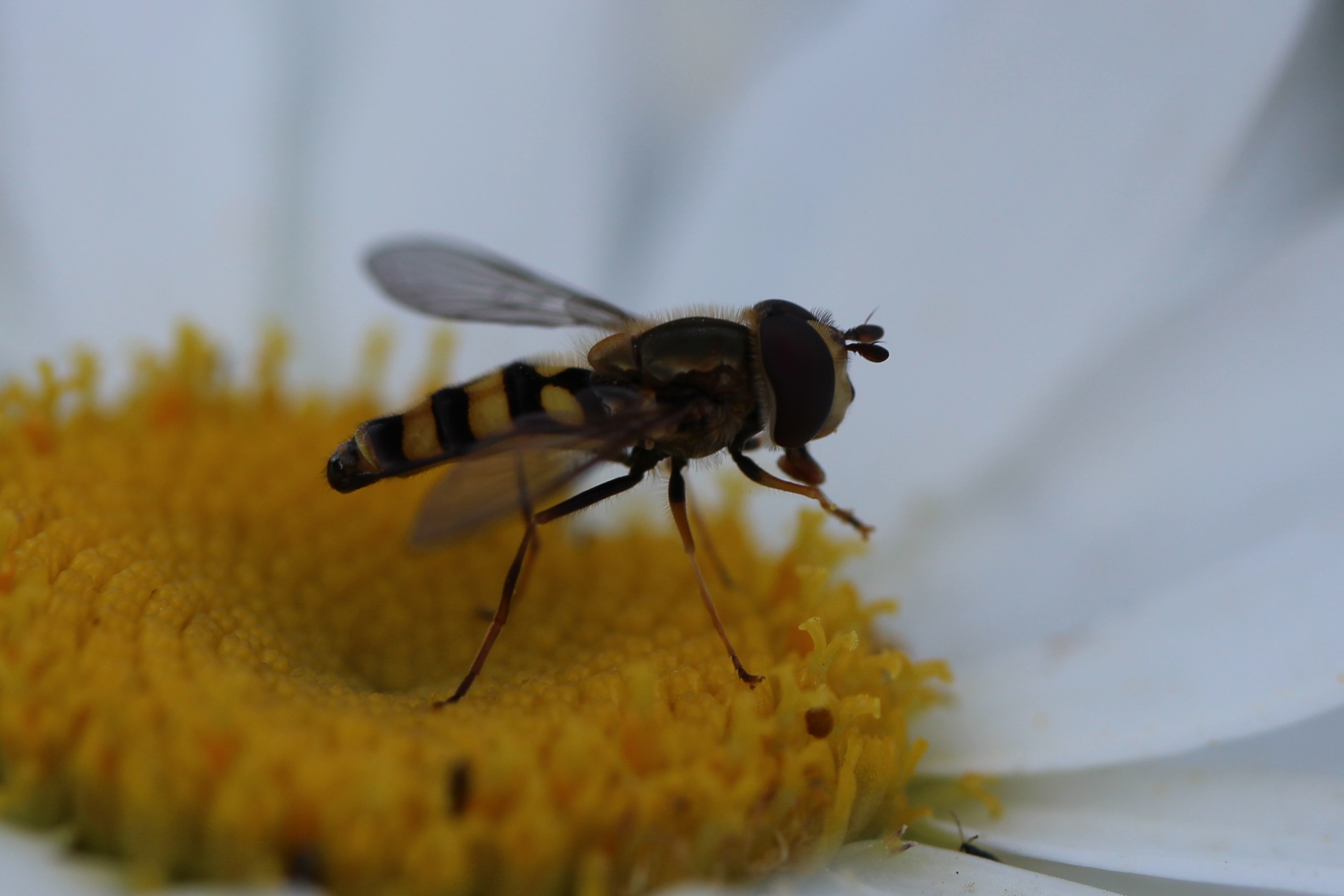
Long-tailed Aphideater (Eupeodes americanus) in my backyard in October. The name refers to the larva which consumes aphids, while the adult feeds on nectar.

In May 2024, I went on an amazing weekend trip to Point Pelee and did a lot of birding while there. So much birding that I observed over 20 different families of birds and more than 50 species!!! I want to look at each family of birds I observed (and eventually plan to do a couple non-bird posts too) but so far I have only posted about 2 of the bird families: Hirundinidae (the Swallows and Martins) and Icteridae (New World Blackbirds). Stay tuned for more of these bird observations to come.
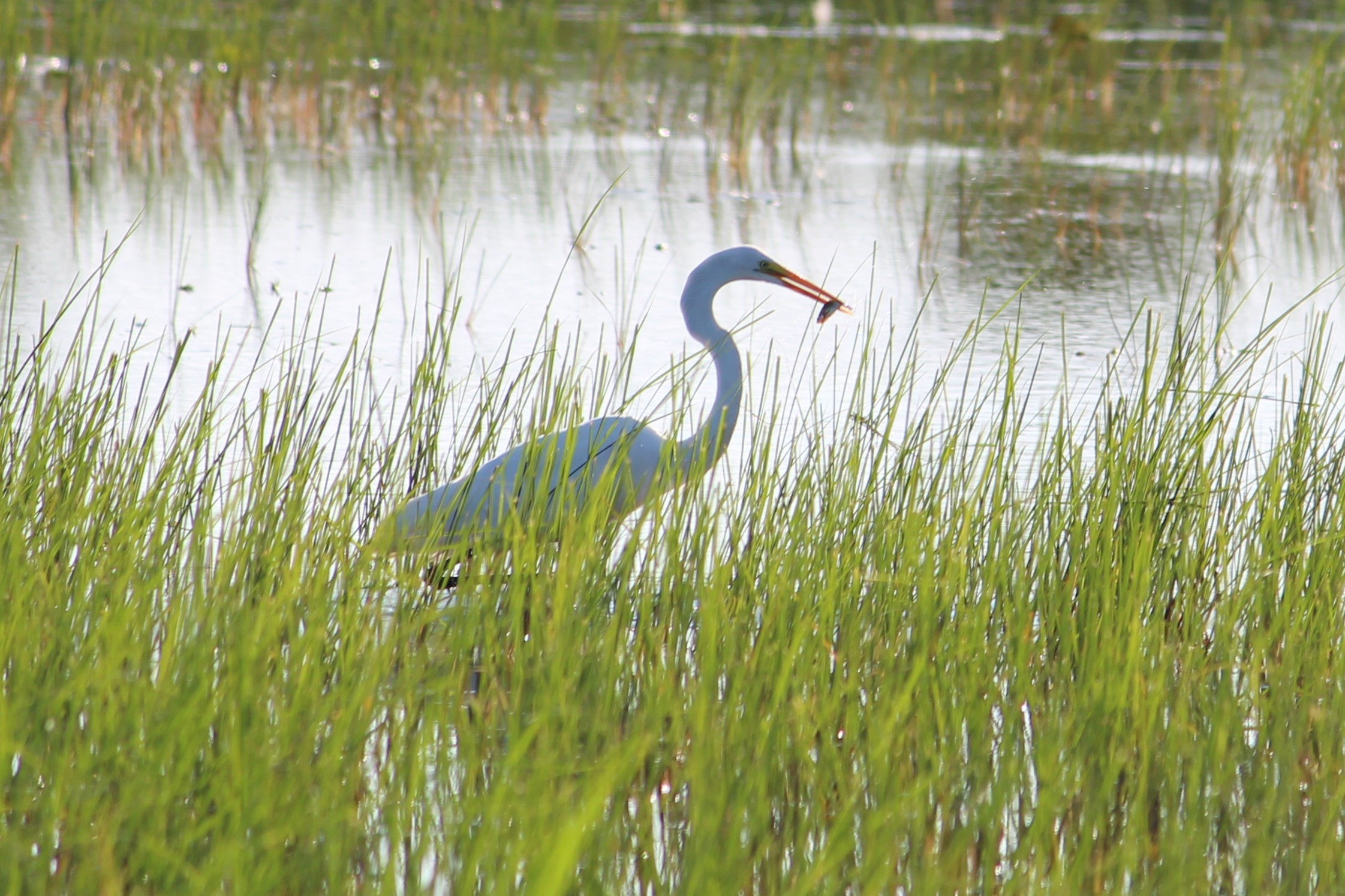
A Great Egret (Ardea alba) feasting on fish in Long Point in July, 2024.

In August, I did a re-post from my old tumblr blogsite, about some midges I observed in Pinery Park in April 2018. I still have several old tumblr posts to re-post here on my current blogsite and I will continue to do so in future.
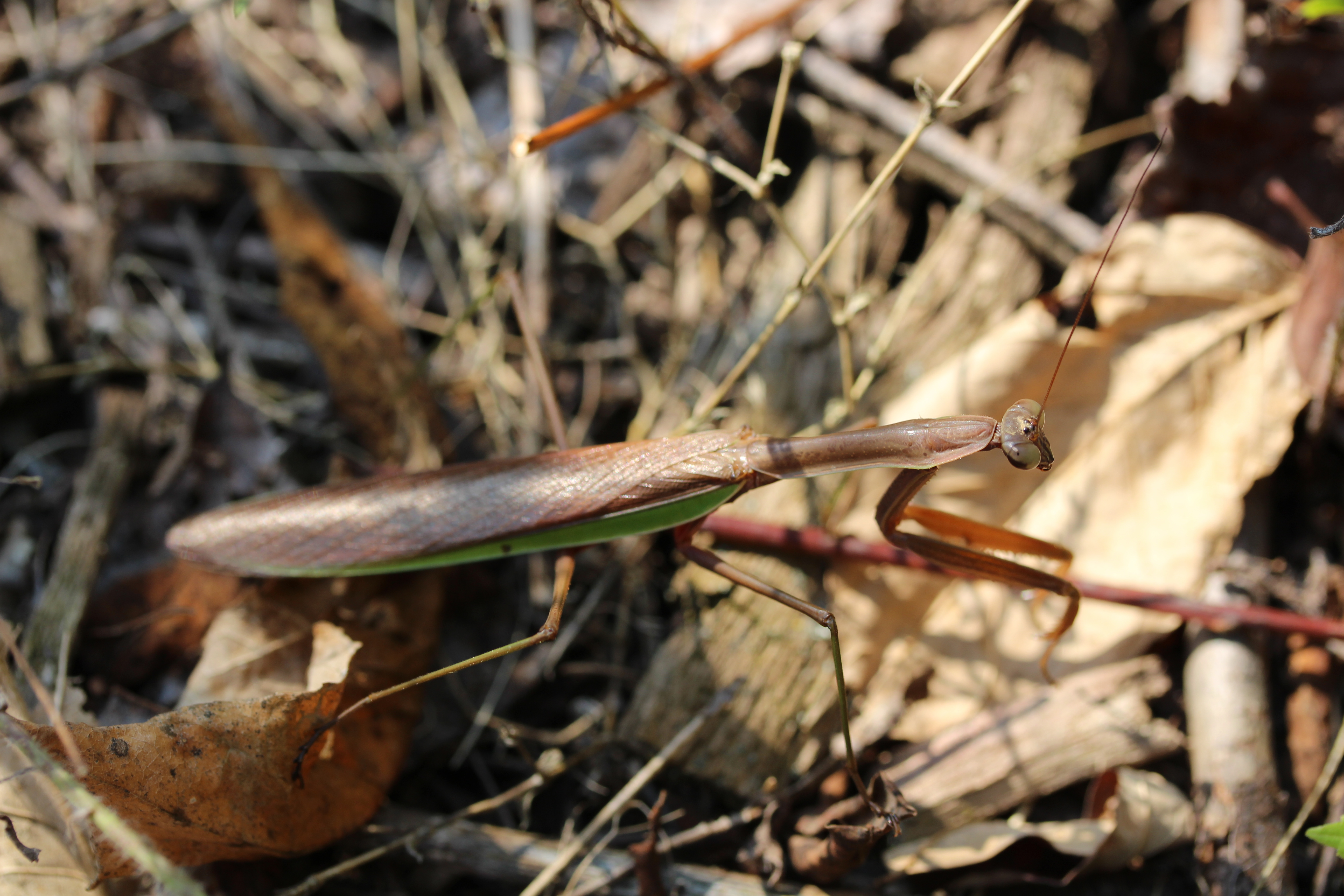
Also in August, I wrote a post about Ant Books, something I am particularly fond of. Check it out for your next ant book read. I’d like to do some more posts like this one in the future about other categories of nature books since I have an obsession with book collecting and have many more topics I could cover and explore through the books on my shelves.

Speaking of nature books… next up we will explore the nature books I’ve read over the past blogging year…

Dr Dhrolin’s Dictionary of Dinosaurs, by Nathan T. Barling and Michael O’Sullivan, Illustrated by Mark P. Witton

A combination of some of my favourite things, this book exceeded my expectations. Filled to the brim with incredible artworks by world-renowned palaeoartist Mark Witton (and the supplementary non-Witton art was also really well done). Chock full of theories of prehistoric creatures’ ecologies and behaviour (complete with scientific literature references). Intriguing creature design and optional magical rules to meld the species into a more fantastical setting. In-depth reconstructions of extinct ecosystems such as Hateg Island, Crato Formation, and more (complete with paleo-flora with their own magical abilities and uses to complement an exploration adventure). 

I was blown away by how much content there really was here, and all of it made for someone like myself who is fascinated by animal behaviour, extinct creatures, and incorporating those things into the fantasy worlds of roleplaying games. 10/10 for the art, 10/10 for the science, 10/10 for the format/style (there is a ribbon bookmark included, the pages are good quality, the images beautiful to behold).

If you are interested in prehistoric animals or ttrpgs, do yourself a favour and buy this beautiful, content-filled book.

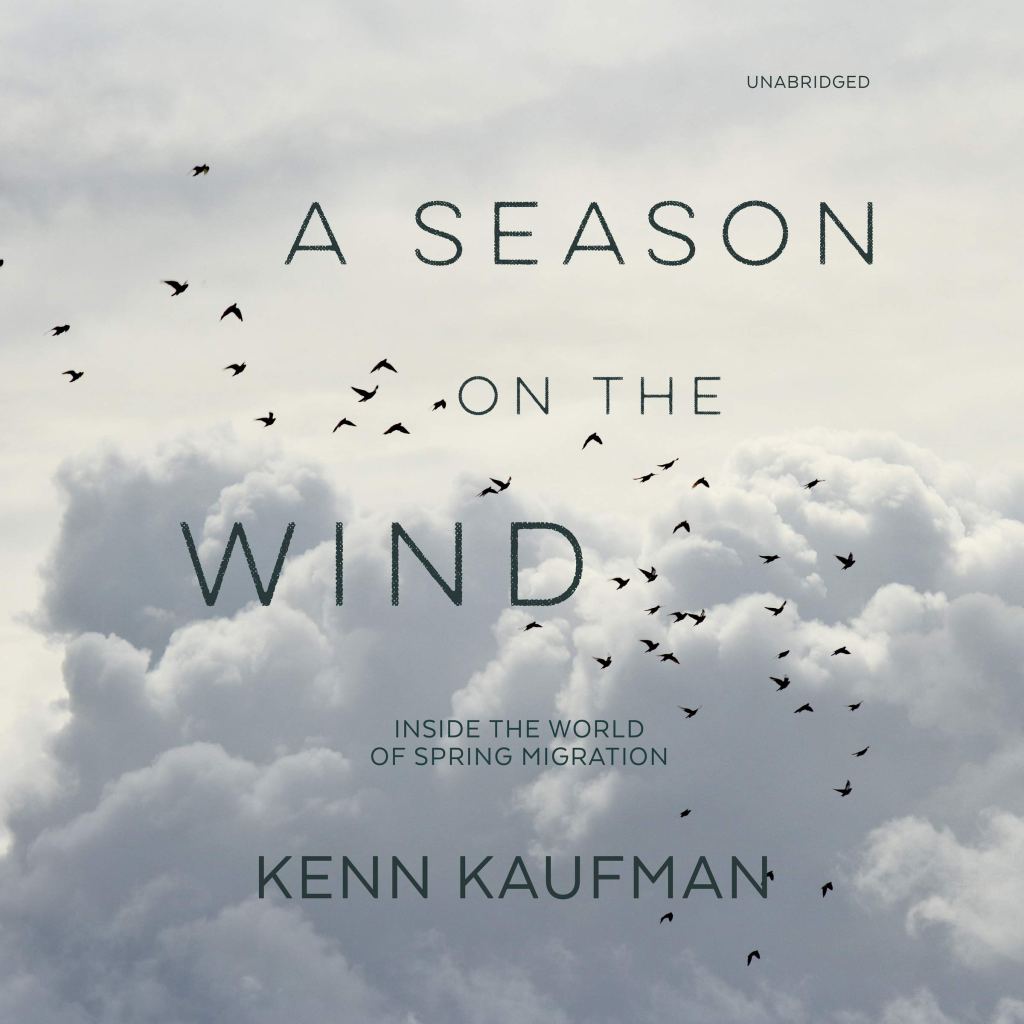
A Season on the Wind: Inside the World of Spring Migration, by Kenn Kauffman:
Version 1.0.0

* I listened to the Audiobook *

Part personal memoir, part reflections on past migration seasons, this book was a bit meandering, kind of like its subject birds. I enjoyed the impressions of people and the author’s heartfelt joy at the rise in birding and birdwatching as a hobby, and many of the stories of birds or people or projects were interesting. Some chapters focused on a particular group of birds, such as Warblers, Waterfowl, or Shorebirds, while others focused on aspects of migration. One of the most interesting was the chapter about methods of studying migrating birds because it fascinates me how little we still know and how much people have unraveled so far. A running thread through the book is a proposed wind turbine project in a bird migration hotspot and the local birding association’s struggle to halt its progress. I was surprised how invested I became in this story, despite it feeling a bit out of place in some of the other portions of the book. Overall, this was an easy read, most like a memoir or personal collection of impressions and interactions with migrating birds with some specific threads running throughout.

The Homing Instinct, by Bernd Heinrich:
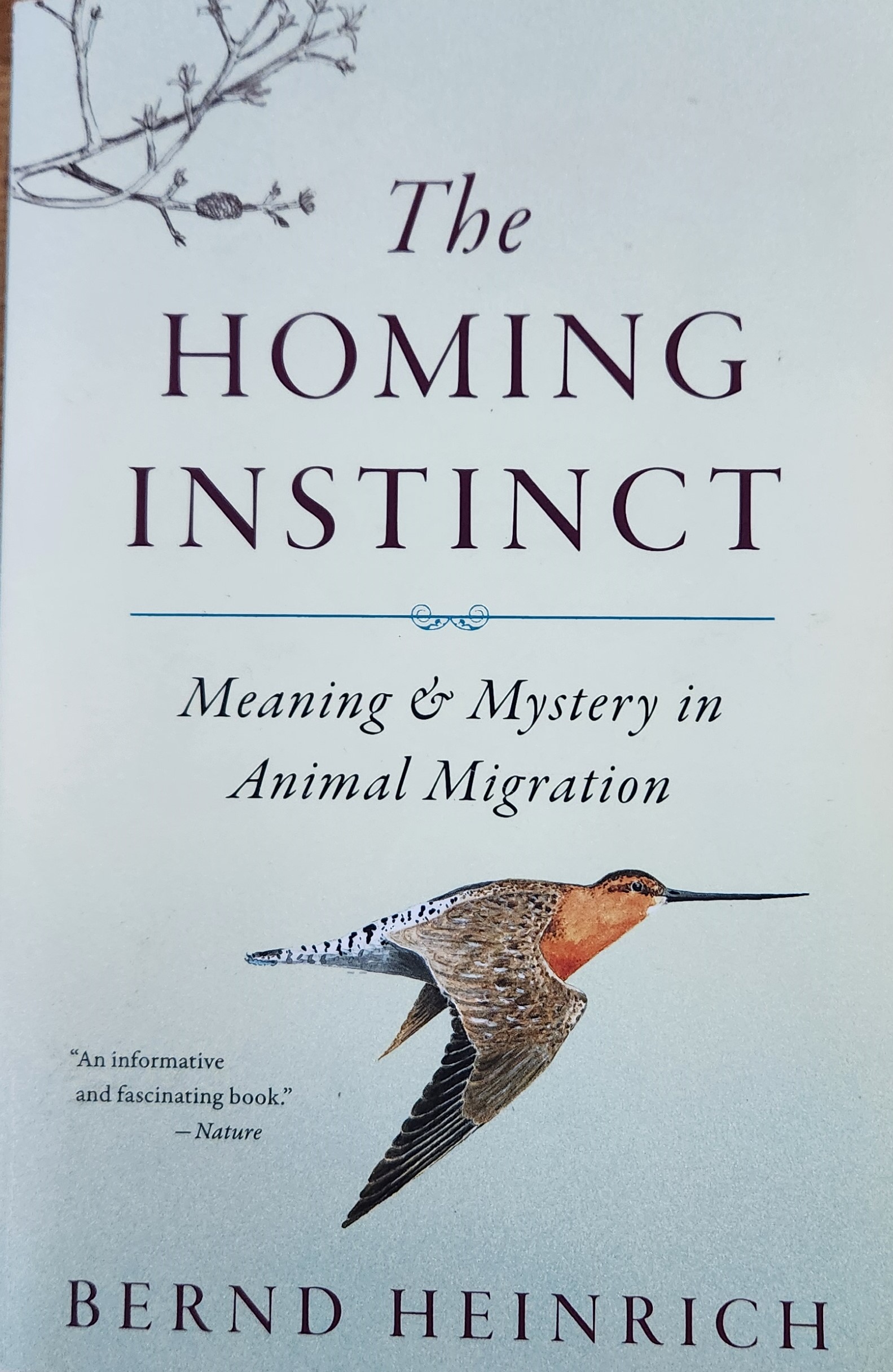
I really enjoyed this tour through the world of animal migration and homing and home-making behaviour. The tour was very idiosyncratic and a bit thematically messy. There was not as much of a common thread running through as there have been in other Heinrich books I have read, though he tried to link the stories within to “animal homing/homemaking”. 

Despite the lack of cohesiveness, the stories themselves were for the most part fascinating (I thought he spent way too long on a journal-style chapter about him hunting, felt out-of-place even amid other not-so-linked chapters) and informative. I learned some fun things about animals and plants, and appreciate them even more now.

The Red-winged Blackbird: The Biology of a Strongly Polygynous Songbird, by Les Beletsky:
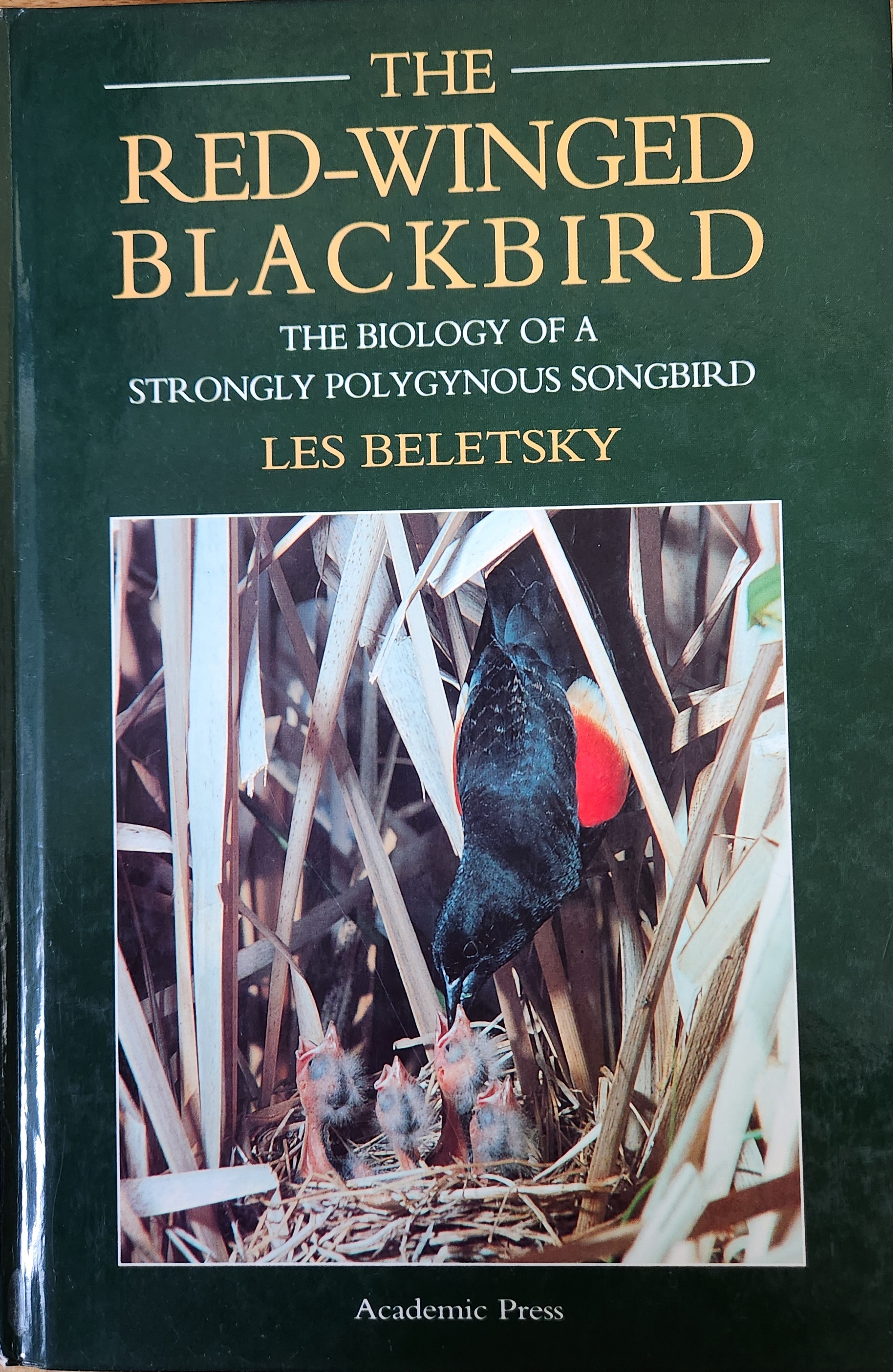
An excellent overview of the biology of a much-studied and common bird. The book focuses on Red-winged Blackbirds’ breeding biology and the studies most focused on are for a particular population in Washington state which the author has studied for years. One of the interesting points the book puts across is that Red-winged blackbirds are common across the United States, southern Canada, and Mexico but they exhibit different behaviours in different populations/regions. This is sort of a rule across animal species but it was interesting to see it demonstrated and explored with this familiar bird. Lots of interesting discussions of how animal behaviour research is done and how we know so much about a species because we’ve studied them for so long but as a consequence we open up more frontiers of mystery to explore (the research questions never stop, they only split into more questions).

Bird Migration (New Naturalist #113), by Ian Newton:

An incredibly detailed look at Bird Migration, focusing on the migrants in Eurasia-Africa because of being a British Natural History book. This book expanded my worldview on bird migration, bringing out the true complexity of this wondrous phenomenon. The book was dense with information, but the data was presented very readably, with very helpful concluding/summarizing paragraphs at the end of each chapter. Excellent photos were sprinkled throughout, illustrating the myriad species of birds discussed.

Well, that wraps up another year of blogging on norfolknaturalist.ca! If you’ve been reading along for the past 5 years, I want to extend a sincere thanks for journeying along with me. And if you’re new here, I want to welcome you to share in my observations and wonder at the natural world all around us.

For previous blogversary articles, see:

Happy Birthday, Norfolk Naturalist!

Happy 2nd Birthday, Norfolk Naturalist!

Happy 3rd Birthday, Norfolk Naturalist!
Happy 4th Birthday, Norfolk Naturalist!
Categories
Uncategorized

Norfolk Naturalist Year in Photos (Dec 2021-Nov 2022)

Last year, as part of the Norfolk Field Naturalists, I was able to present 20 of my photos and discuss them. That was what prompted my still-ongoing “Top 20 Nature photos 2013-2020” series (Links to Introduction, 1. The Pale-Painted Sand Wasp (Bembix pallidipicta, 2. Moose (Alces alces) Family , 3. Canada Jay (Perisoreus canadensis) , 4. Common Five-Lined Skink (Plestiodon fasciatus) , 5. Robber Fly Hunting Queen Ant ). This year, I am able to present another 20 photos. I’ve decided this time to keep the range of selection and the range of discussion much more condensed and to form it around my blogging year and my blog’s namesake locality: Norfolk County, Ontario. By keeping the time constrained to a single year, representing each month at least once and the location constrained to a single county in Southern Ontario, I think it can give a sense of the turning of the seasons, something I’ve always been fascinated by. One further restriction is I tried to avoid photos/organisms that have already featured on my blog this year. Introduction complete, here come the photos of my blogging year in review:

Sandhill Cranes (Antigone canadensis) in Port Rowan, December 2021:

These beautiful birds are a sight to see in the winter, snow falling around their dancing forms. Their resonant trumpeting calls, and their acrobatics in the white fields are breathtaking.

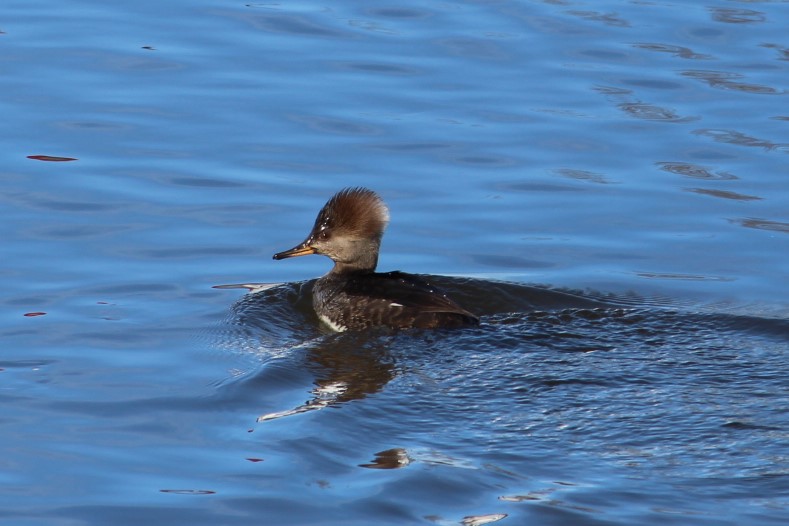
Hooded Merganser (Lophodytes cucullatus) in Simcoe, January 2022:

I’m always pleased to find a species near to home, which I associate with farther away. I first encountered Hooded Mergansers in Algonquin Provincial Park, so I think of them as something from the wild north rather than my own county, but this past January, I took some photos of a female swimming through a park in downtown Simcoe.

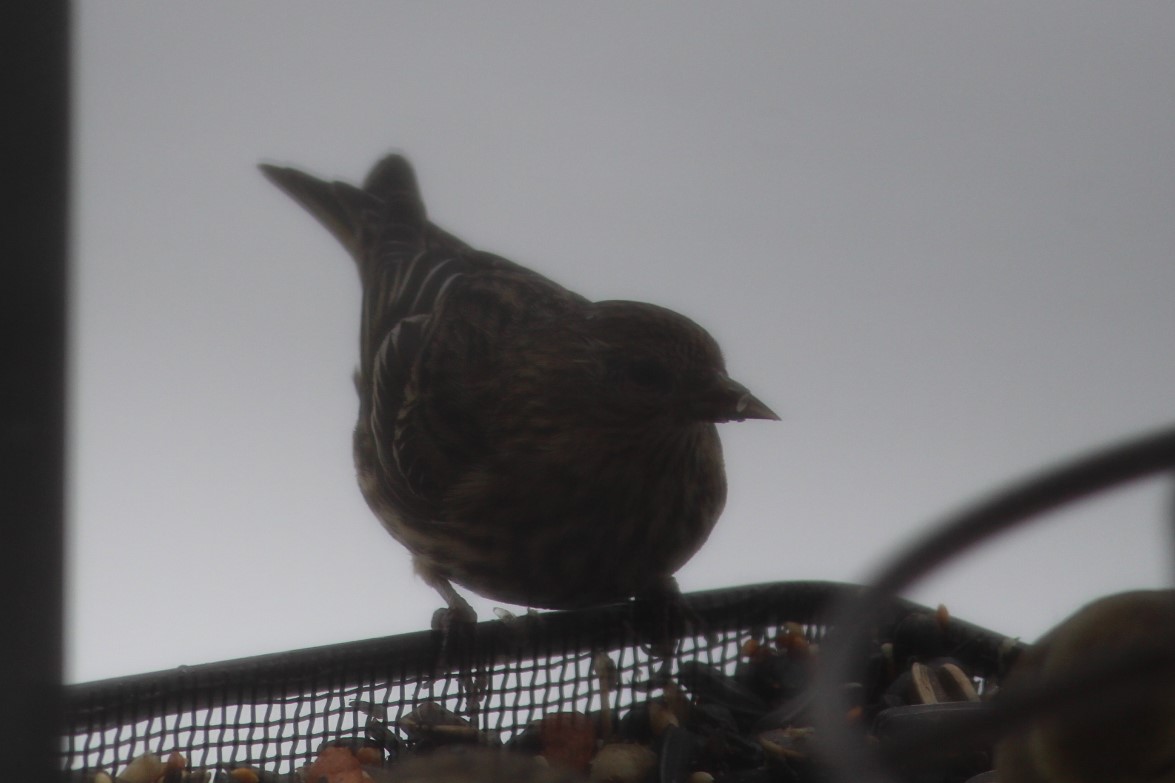
Pine Siskin (Spinus pinus) in my backyard, February 2022:

While reading through nature books and articles, I have read often of Pine Siskins moving through my area during the Winter in some years, and I had always hoped to see them. This year was the first time I saw them, and while my photographs are not very high quality (taken through my back windowpane), I was very excited to see and document this species at my backyard bird-feeder.

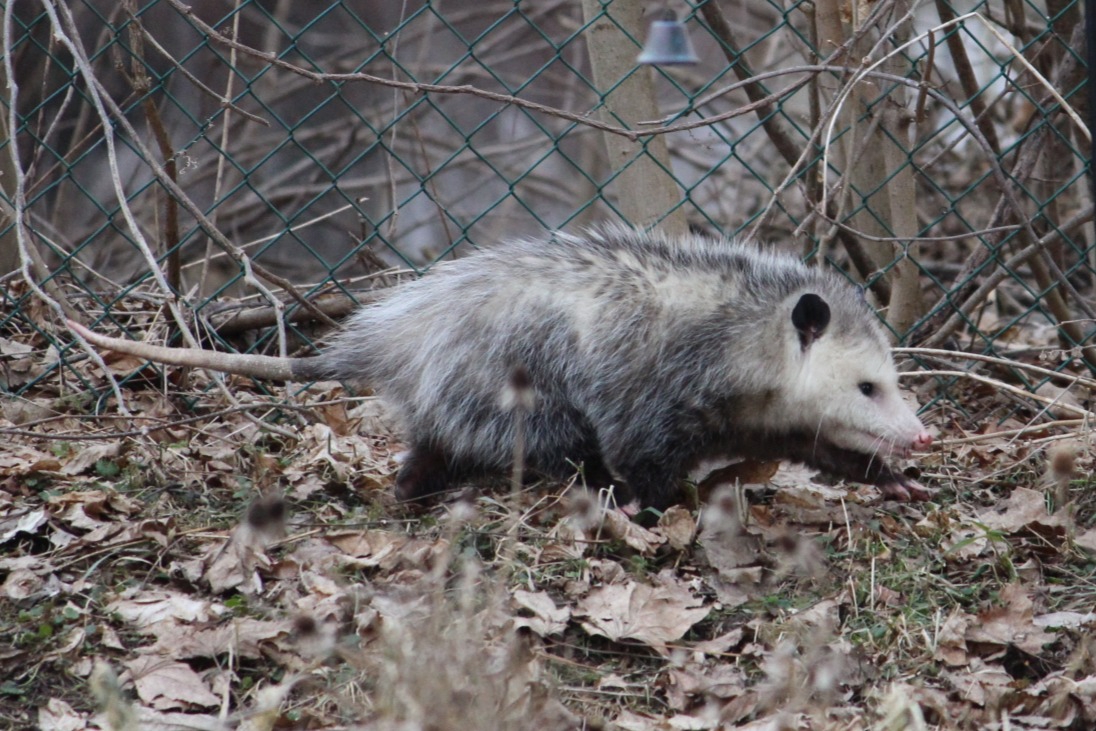
Virginia Opossum (Didelphis virginiana) in my backyard, March 2022:

Virginia Opossums are the only marsupials in Canada, part of a diverse group of mammals that are distinct from the placentals which make up the rest of the Canadian mammals. People often shorten the name to “possum” but this is technically incorrect for these animals. Pouched mammals in the New World (ie. North and South America) are known as ‘opossums’ while those in the Old World (Mostly Australasia for this group) are called ‘possums’.

American Winter Ant (Prenolepis imparis) in my backyard, March 2022:

These common ants are active early in the Spring and late in the Fall, which is how they acquired their association with Winter (Ellison et. al. 2012). Some workers of this species can store excess amounts of food in their abdomens and become living storage canisters, much like the more well-known honeypot ants (Myrmecocystus in North American deserts, or Camponotus inflatus and Melophorus bagoti in Australian deserts) (Ellison et. al, 2012).

Eastern Cottontail (Sylvilagus floridanus) on my Parents’ Farm, April 2022:

The first members of this species were seen in Ontario in the 1860s. Prior to European colonization and agriculture (which opened up preferred habitat for them) these adaptable mammals were located further south in the United States and Mexico (Naughton 2012).

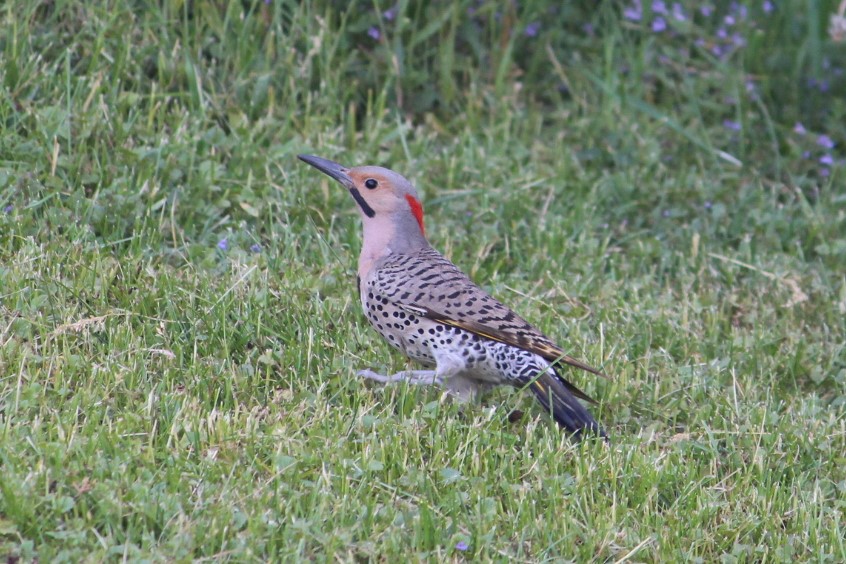
Northern Flicker (Colaptes auratus) in my backyard, May 2022:

Similar to my Hooded Merganser observation above, my first encounter with these amazing ground-foraging woodpeckers has coloured my appreciation for them as unique and surprising. I first saw Northern Flickers when driving through MacGregor Provincial Park in the early morning. Their speckled pattern was striking but even more distinctive was the way they move, like woodpeckers hopping up a tree trunk but horizontally on the ground surface rather than clinging to bark. Seeing a Northern Flicker in my own backyard was an exciting experience (it’s happened a few years now) and adds to my appreciation of the diversity all around me.

European Woolcarder Bee (Anthidium maniculatum) in my backyard, June 2022:

These solitary bees scrape the hairs off of leaves to line their nests (usually in a preexisting cavity in wood or plant stems). As the common name indicates, this particular bee species is introduced from Europe, and is the species you are likely to see in mid-summer (the native Anthidium species are active earlier in Spring) (Wilson and Carril 2016).

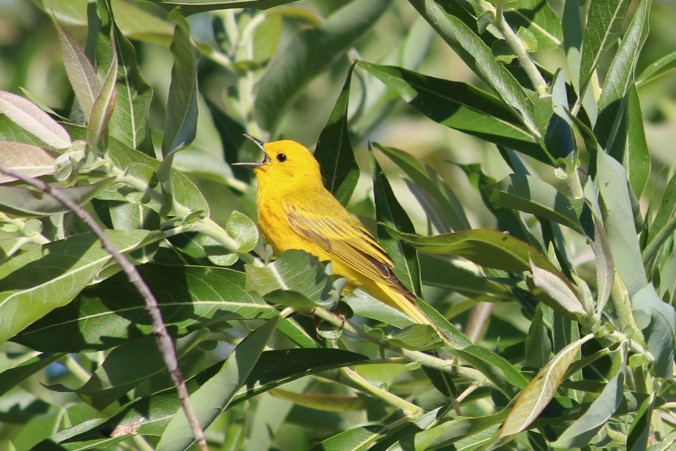
Yellow Warbler (Setophaga petechia) in Long Point, June 2022:

Migratory Warblers are always a treat to see in the Spring and Summer, and this colourful bird singing its heart out is one of my favourites. This species is widespread across North America and northern South America. In the more southern regions of its range, it may breed in mangrove swamps, while in Canada it can be found breeding in windswept tundra.

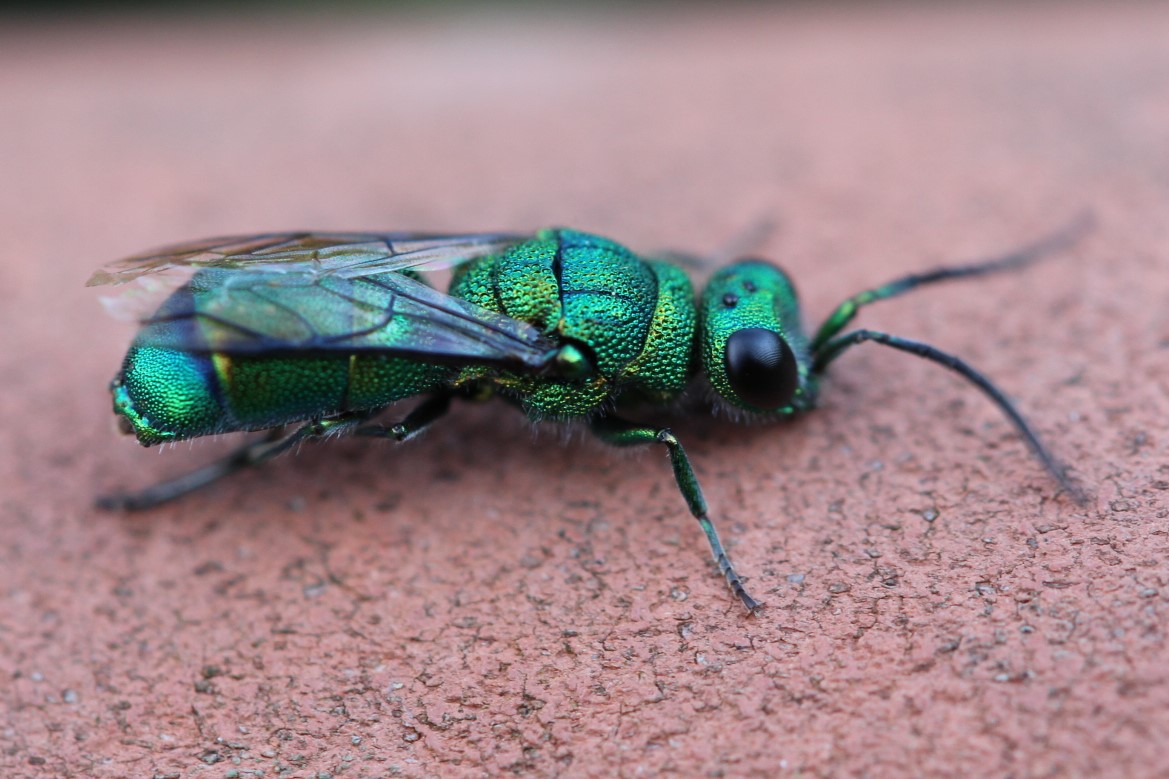
Cuckoo Wasp (Chrysis) in my backyard, July 2022:

Just as Cuckoos lay their eggs within another bird’s nest in order to benefit from the original inhabitant’s parental provisioning, so does the Cuckoo wasp benefit from another insect’s parental provisioning. In the case of this Genus, Chrysis, the female wasp lays her eggs inside the nest of other solitary wasps where the cuckoo wasp larva either feeds on the growing host wasp larva or the host larva’s food supply, placed in the nest by the host wasp parent (O’Neill 2001). The adult cuckoo wasp is well-armoured and can roll into a ball like an armadillo to present this tough shell as a defense against its hosts (Marshall 2006).

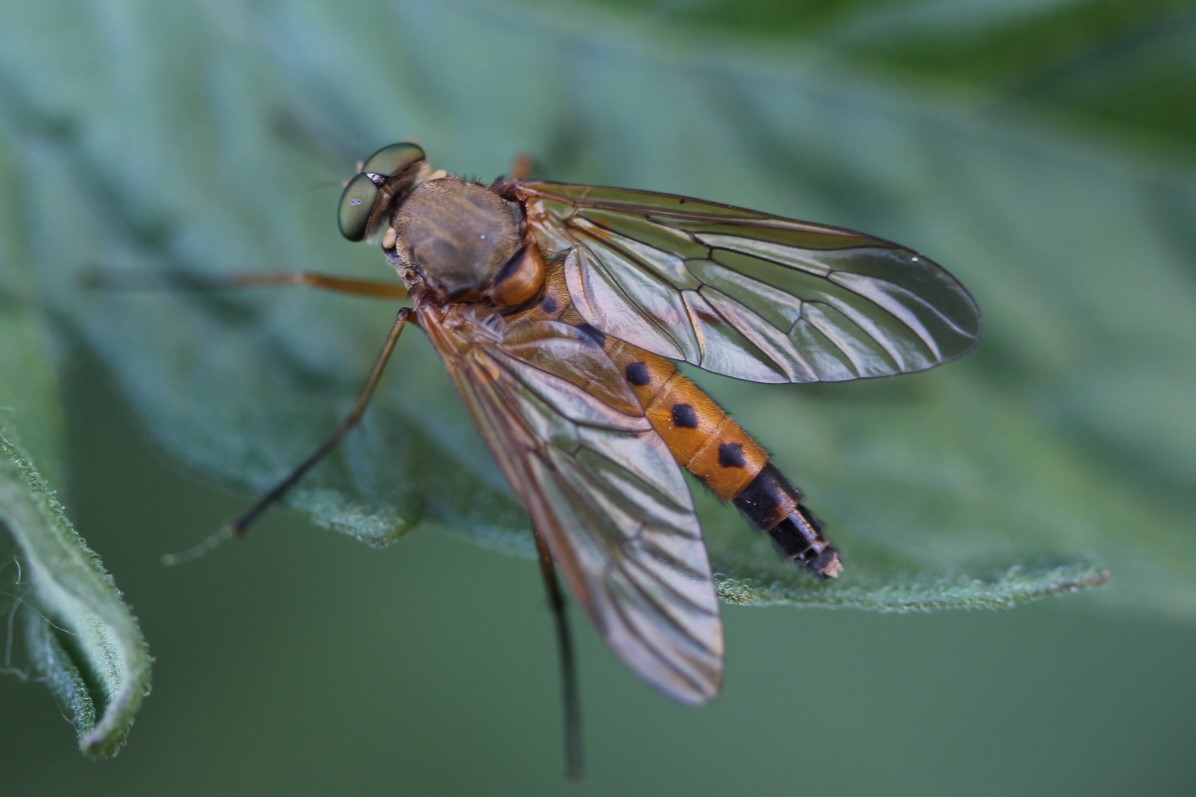
Marsh Snipe Fly (Rhagio tringarius) in my backyard, July 2022:

The larvae of Rhagio snipe flies are predators of invertebrates that dwell within the soil, but the adult diet (if they do eat anything) is unknown (Marshall 2012). This species, R. tringarius is introduced from Europe and is possibly replacing the similar native species, R. hirtus (Marshall 2012).

Eastern Cicada-killer Wasp (Sphecius speciosus) on my Parents’ Farm, July 2022:

Cicada-killer wasps are an example of a species that I had encountered significantly in print before encountering in the wild. I had read of their enormous size and strength, so when I spotted giant robust wasps on a visit to my parents’ farm I had my guess that these were the fabled hunters. These are impressive insects, but despite their large size and the males’ territoriality (the males will occasionally dive-bomb humans), they are not actually dangerous to people and should be tolerated and admired, rather than feared. The female can remove up to 1000 times her weight of soil to create her multi-celled nest which she provisions with adult cicadas (all of which used to be included within the genus Tibicen but which have now been moved to several genera (see Hill et. al. 2015 for a recent taxonomic review of the Cicada genus Tibicen)). Each larva is given 1-4 cicadas to feed on, males are given only 1 and female larvae more because females are sometimes 2.5 times larger than males (Evans and O’Neill 2007). The reason for this size disparity is that females do the digging and carry the giant prey items. The cicada-killers cannot carry paralyzed cicadas in flight unless they first drag them to a height and drop, which they will do occasionally in order to transport their large prey (Evans and O’Neill 2007).

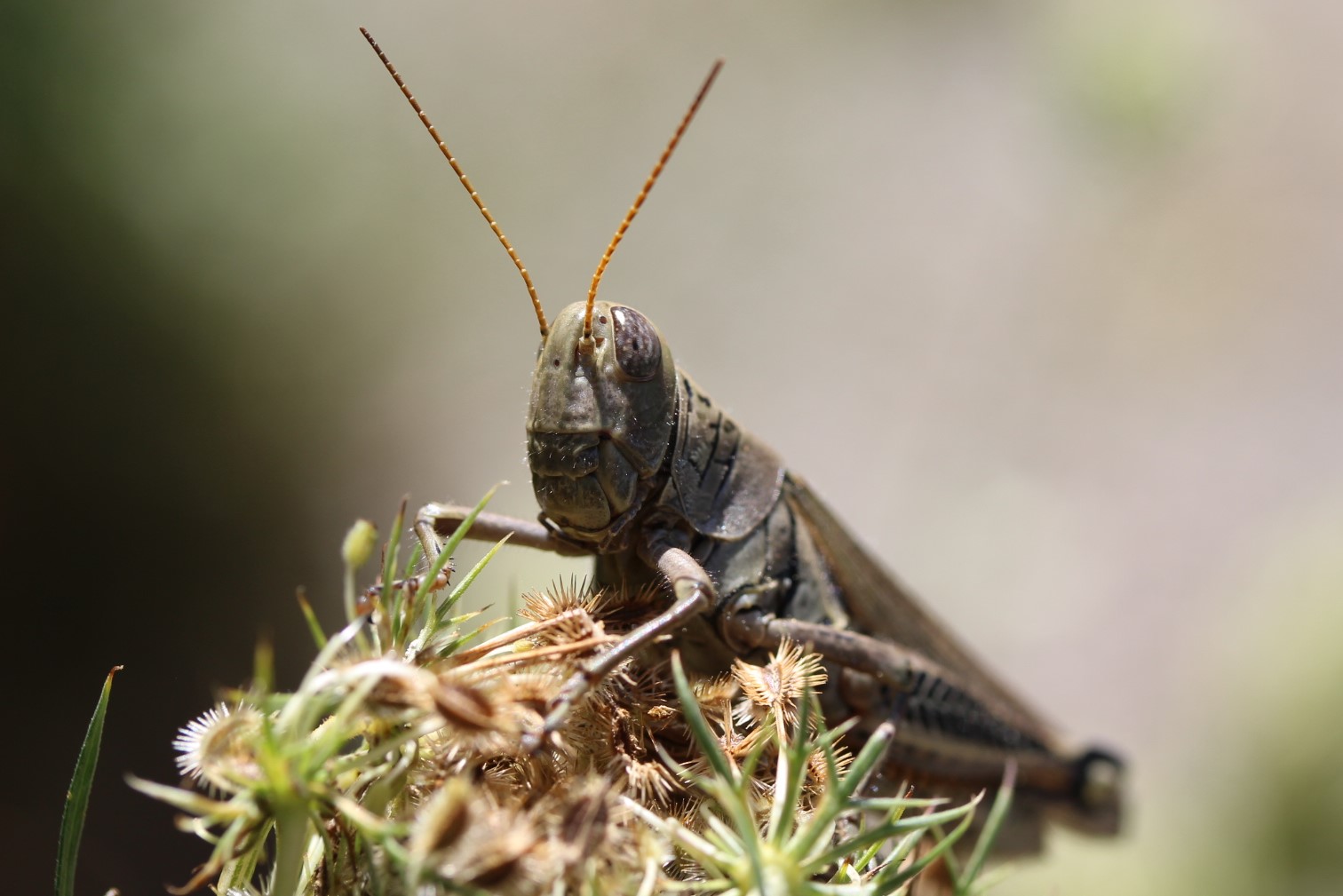
Differential Grasshopper (Melanoplus differentialis) in my Parents’ garden, August 2022:

This very large grasshopper can be up to 4.4 cm long and feeds on a variety of plants and crops (Marshall 2006).

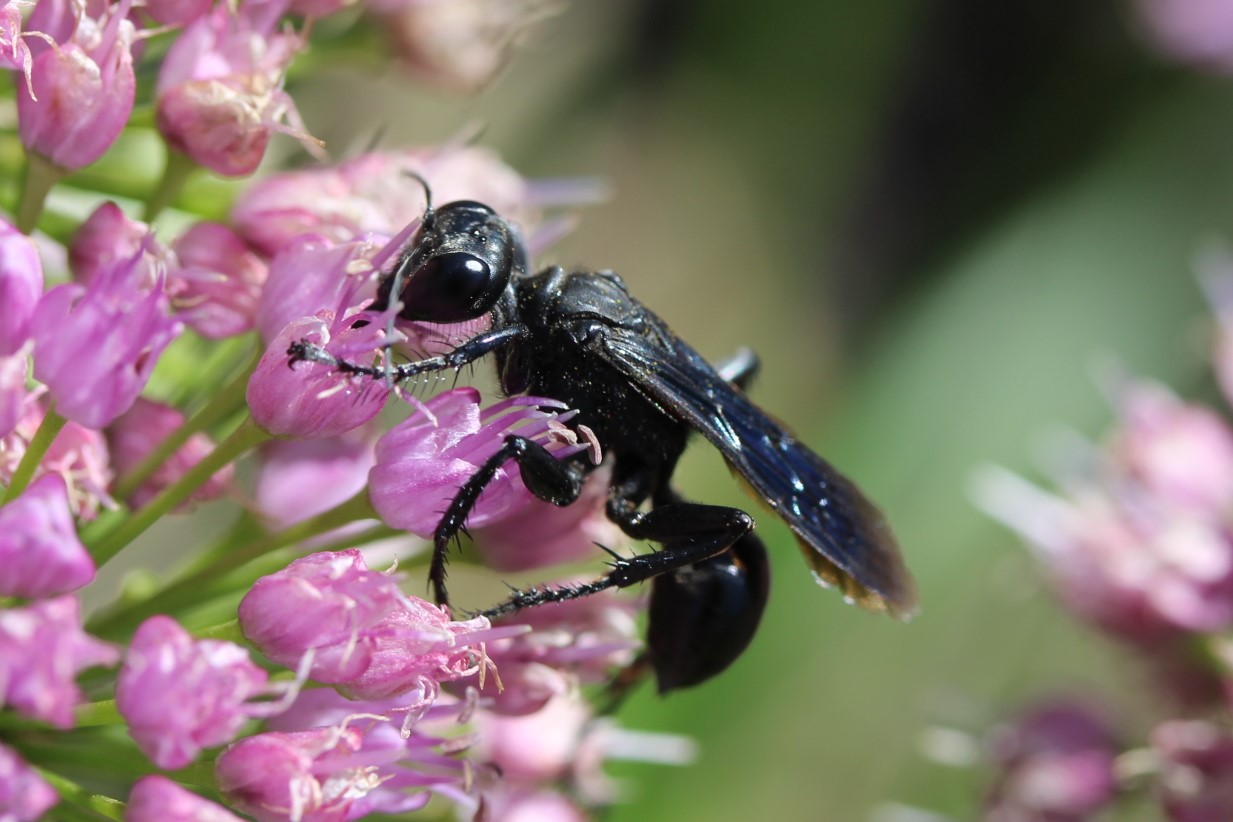
Prionyx atratus in my Parents’ garden, August 2022:

Prionyx atratus is a solitary wasp which hunts late-instar* or adult grasshoppers, like the one photographed on the same day in the same garden above. The wasps sting the grasshoppers on the head or thorax, and then construct a burrow in soil for their single prey item. Once the nest is constructed they will place the paralyzed grasshopper inside with an egg attached and close off the nest. While working on the nest, the female hunter will sometimes cache the grasshopper prey nearby (O’Neill 2001). Researching this species led to a rather alarming observation noted in O’Neill 2001: “I have seen the cached grasshopper prey of Prionyx species devoured by other grasshoppers”. It seems that grasshoppers are not always only plant-pests but will consume each other if given the opportunity.

*instar refers to any larval stage between moults, so a late-instar means a larval stage that is close to being an adult.

Northern Leopard Frog (Lithobates  in Long Point, September 2022:

One foggy morning in September, I was out taking photos in Long Point. The main thing I was looking for was birds, but every step I took along the wetland trail was punctuated by the sound and motion of leaping frogs. Taking a closer look at the path, I managed to crouch down and capture some closeups of this Northern Leopard Frog, helpfully sitting very still. 

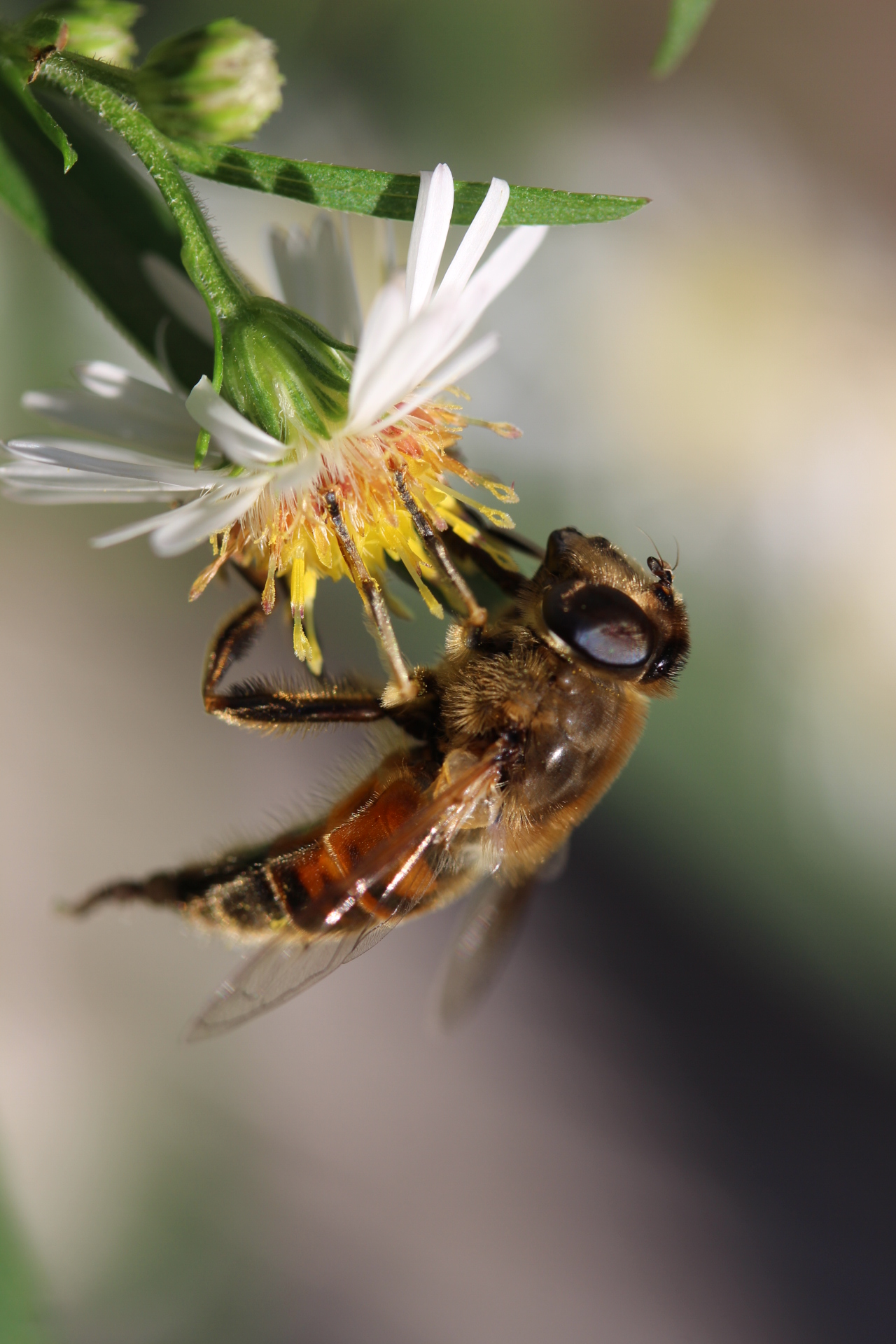
Common Drone Fly (Eristalis tenax) in my backyard, October 2022:

There comes a time in the year when insect populations begin to go into hiding or die off as Autumn and Winter creep upon the land. Every buzzing, whirring, crawling invertebrate at this time of year gains my attention all the more because I am conscious of the seasons’ turnings that will soon cover the flowers with snow and a hush will fall upon the local pollinators. So in October, I was quite excited to find a small gathering of pollinators right by my back step where an Aster was growing. This photo shows one such late-Fall insect: a Drone Fly.

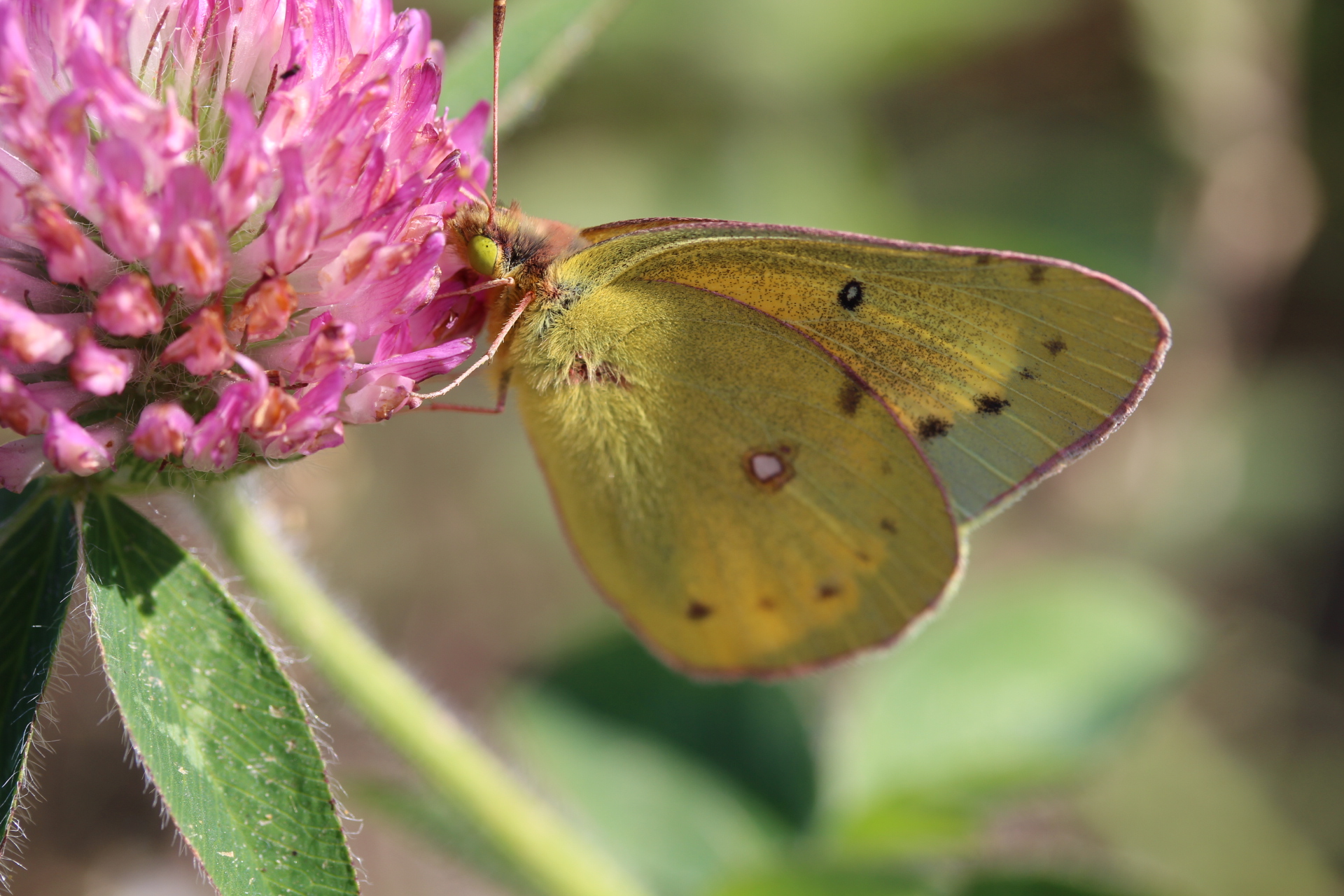
Orange Sulphur (Colias eurytheme) on my Parents’ Farm, October 2022:

Yet another late-flying insect caught my eye in October, this time a butterfly: an Orange Sulphur. This species of butterfly may or may not overwinter in Ontario. The adult individuals that we see in the Spring are likely migrants from its southern range (which includes Central America and the United States) (Hall et. al. 2014). I’m guessing this means that this individual spotted in the Fall was possibly on its way South to warmer climes.

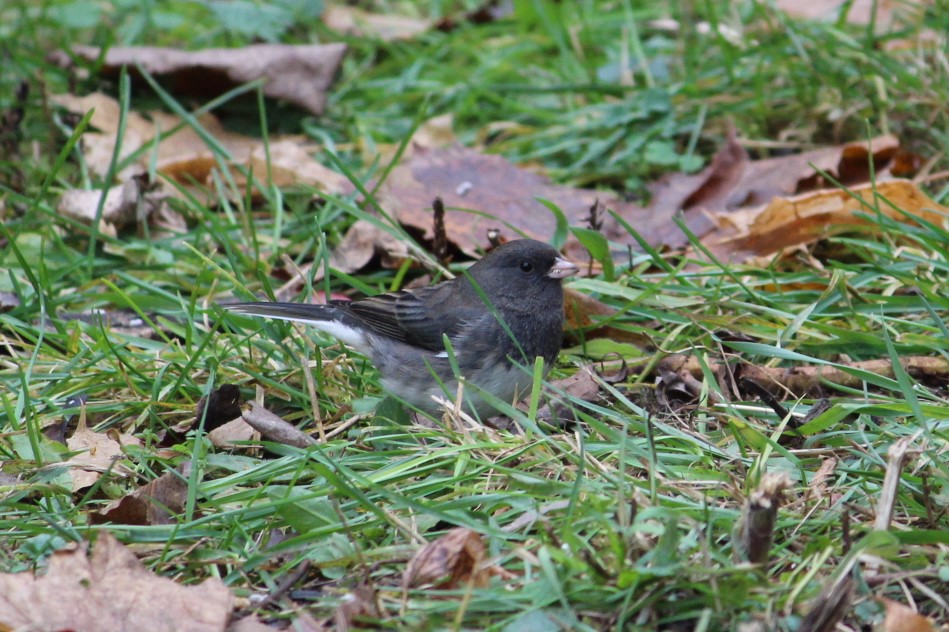
Dark-eyed Junco (Junco hyemalis) in my backyard, November 2022:

As I prepared to choose at least one photo from every month of the past year, I realized that I didn’t have any photos taken in November. So I rushed outside in my backyard to take some photos of the backyard birds at our feeders. My favourite picture was this of a Dark-eyed Junco. Juncos are familiar and common backyard birds, though they prefer to feed from the ground, rather than directly from the hanging feeders. I feel like this is a perfect species to end with: very common and familiar, found in my own backyard, yet I still find it exciting to see and observe these amazing creatures. I’m looking forward to next year, and can’t wait to see what other species I will wonder at and learn about through 2023.

References:

Ellison, Aaron, Gotelli, Nicholas, Farnsworth, Elizabeth, adn Alpert, Gary. 2012. A Field Guide to the Ants of New England. Yale University Press.

Evans, Howard and O’Neill, Kevin. 2007. The Sand Wasps: Natural History and Behavior. Harvard University Press.

Hall, Peter, Jones, Colin, Guidotti, Antonia, and Hubley, Brad. 2014. The ROM Field Guide to Butterflies of Ontario. Royal Ontario Museum.

Hill, Kathy, Marshall, David, Moulds, Maxwell, and Simon, Chris. 2015. “Molecular phylogenetics, diversification, and systematics of Tibicen Latreille 1825 and allied cicadas of the tribe Cryptotympanini, with three new genera and emphasis on species from the USA and Canada” Zootaxa Vol. 3985 No. 2: 10 Jul. 2015. [you can read the article yourself here: https://www.mapress.com/zootaxa/2015/f/zt03985p251.pdf] DOI: https://doi.org/10.11646/zootaxa.3985.2.3

Marshall, Stephen. 2006. Insects: Their Natural History and Diversity. Firefly Books.

Marshall, Stephen. 2012. Flies: Their Natural History and Diversity. Firefly Books.

Naughton, Donna. 2012. The Natural History of Canadian Mammals. University of Toronto Press.

O’Neill, Kevin. 2001. Solitary Wasps: Behavior and Natural History. Cornell University Press.

Wilson, Joseph, and Carril, Olivia. 2016. The Bees In Your Backyard. Princeton University Press.

Categories
Nature Observations Tumblr Repost

Cryptic Caterpillars

In the interests of my own personal goals to post at least once a month, I’m going to re-publish my very first post on my first iteration of the Norfolk naturalist blog, which was on tumblr. I’m planning to re-post all of my articles that I wrote on my tumblr on this site at some stage (possibly with some slight updates/alterations) since I would like them all in one place, and my own website seems like the best place to have that. So here is my first Norfolk Naturalist post, originally published on my tumblr back in 2018 (over 4 years ago!):

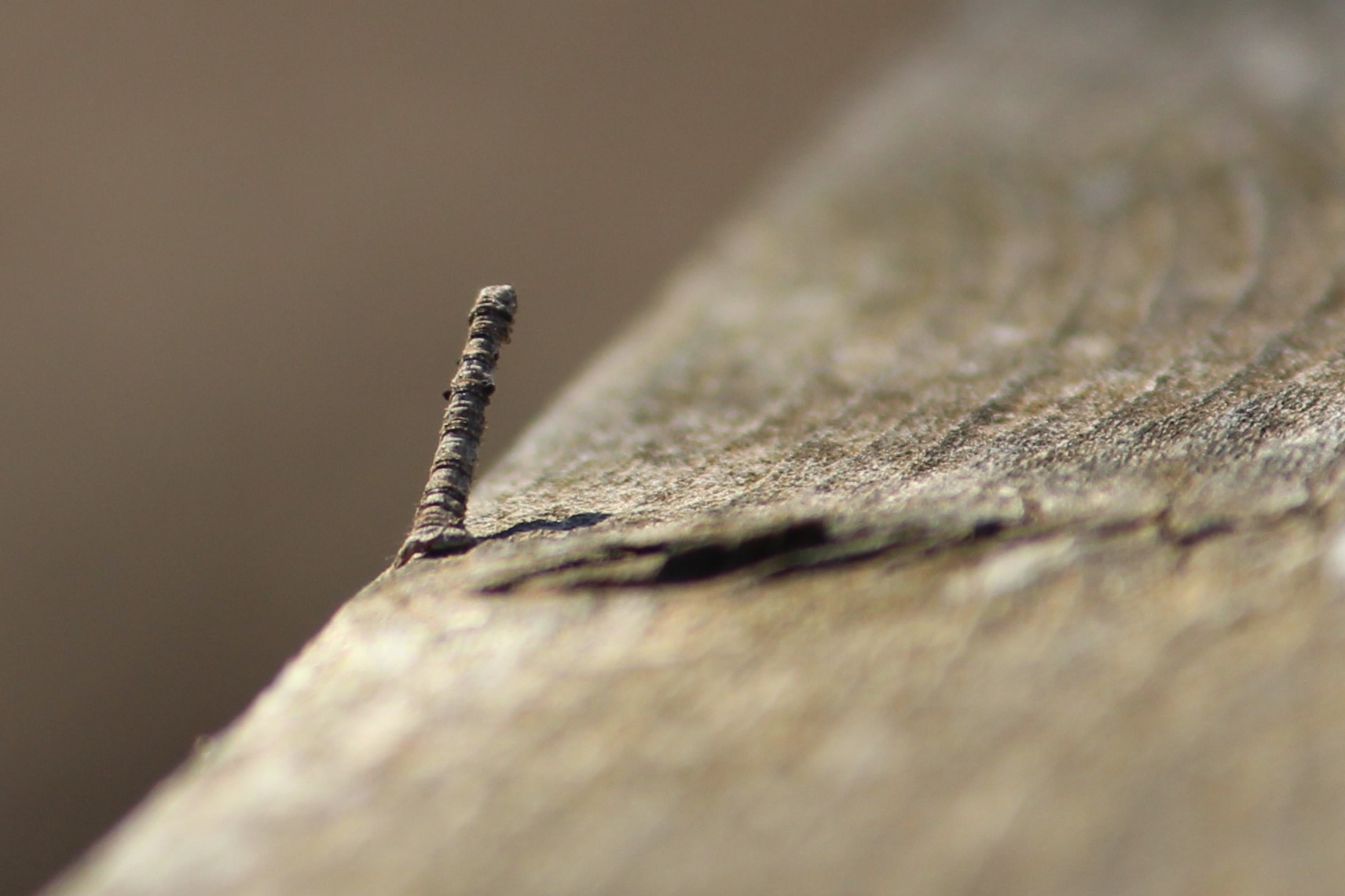
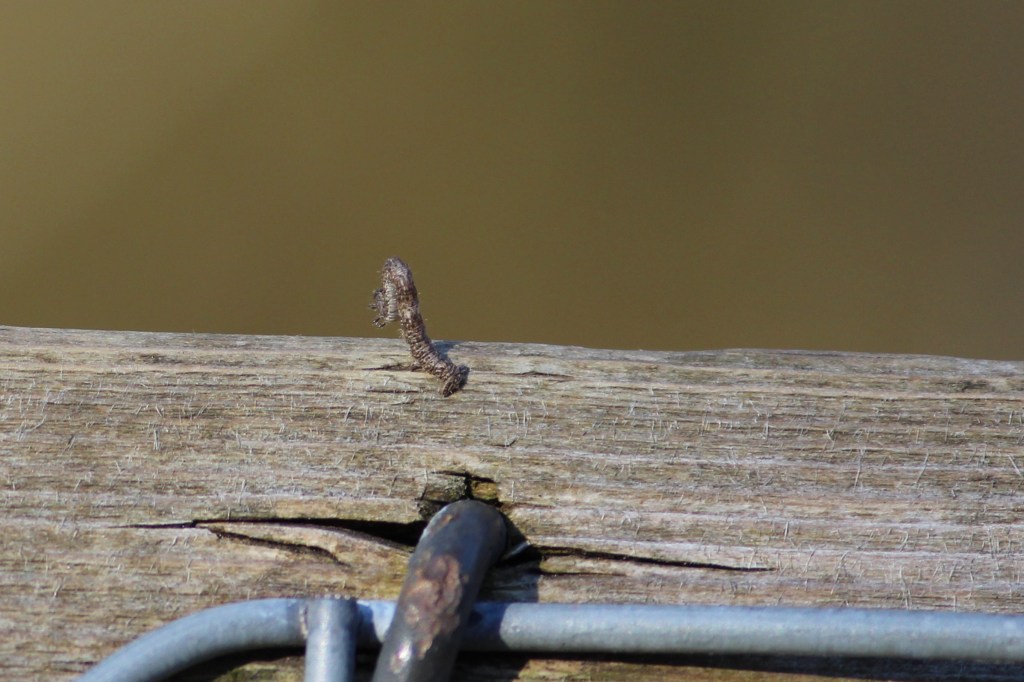
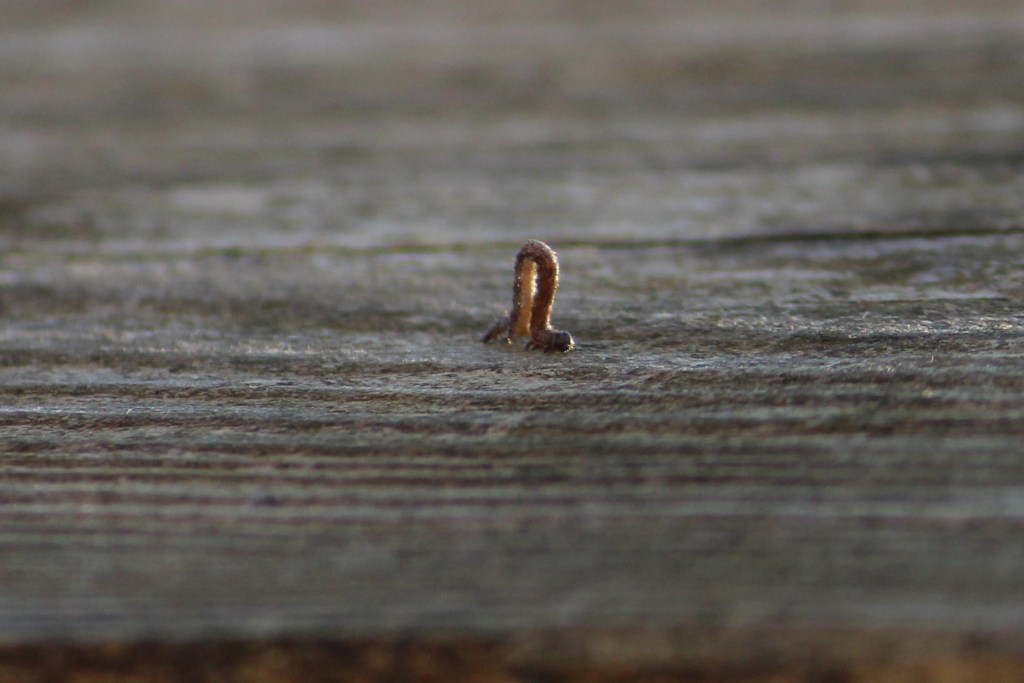
While walking the trail near my house, I spotted a twig in an unlikely spot. Instead of forming the final split of a growing or dead branch, the tiny twiglet (just larger than my fingernail) was jutting out into the air from the railing of the bridge. Something strange was going on. On closer inspection, it turned out not to be a twig at all. Rather, a caterpillar had chosen a poor and rather conspicuous spot to hide.

If this caterpillar had chosen a better location, it surely would have fooled me. Even where it was, it was extremely difficult to spot. The coloration and shape of its back was a perfectly mottled gray-brown, and its posture was that of a twig. It was thin-bodied and elongate, only about a millimeter around.

The caterpillar’s odd shape is provided by it having a large space between what are its true legs (the six legs just behind the head) and its ‘prolegs’ which are fleshy stubs coming off of its abdomen. This large space also causes these caterpillars to move in a unique fashion. They lift the front group of legs and extend it forward, reaching ahead and securing themselves there. Then they lift their rear group of legs and move them forward to reconnect with the front legs. Once together, the rear legs hold their place and the caterpillar once more reaches forward with its front legs. This “inching along” process provides this group of caterpillars with their name: the Inchworms (Family Geometridae).

A caterpillar’s main predators are birds which hunt visually. If the caterpillar appears to be something other than a morsel to a hungry bird, then it has succeeded and survived another moment. This type of behavior has a technical name: “crypsis” or “cryptic behavior”, which just sounds amazing. It strikes this cryptic pose when threatened, and so effectively disappears from a hunting bird’s search. I suppose it must have assumed this position when I walked near, thinking me to be hunting it for food. In reality, I was hunting only for a few pictures.

I hope you enjoyed that “repost” from the older version of norfolk naturalist blogging. I promise I’m still working on My Top 20 Nature Photos of 2013-2020 series and I also have several other posts about more recent nature sightings in the works. Hopefully April will be a more productive writing month!