Categories
Blogversary

Happy 5 Years, Norfolk Naturalist!

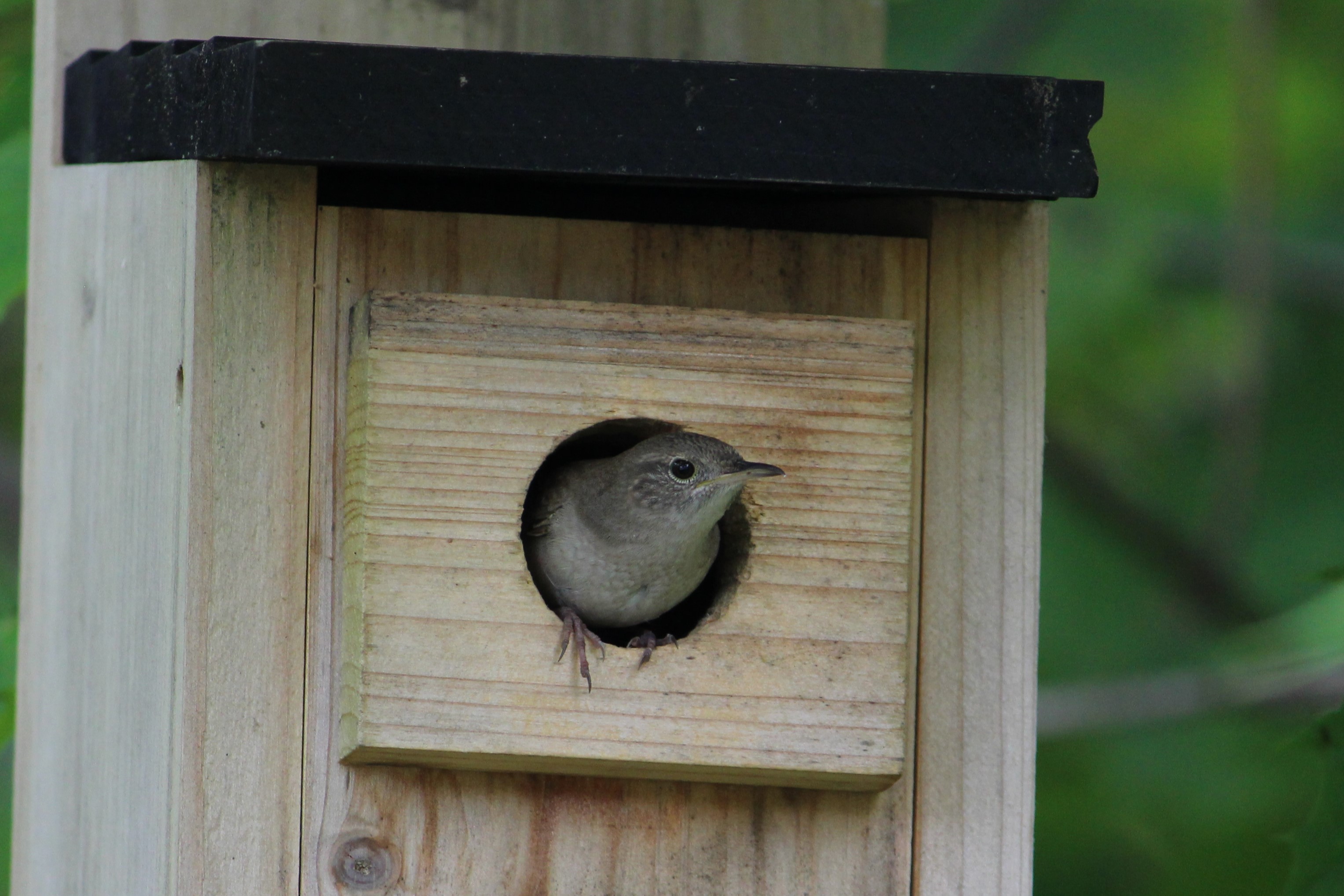
This past Summer my backyard was home to a House Wren (Troglodytes aedon) Nest.

Today marks 5 years of nature blogging on norfolknaturalist.ca! For my blogversary, we’ll do the usual summary of the past blogging year interspersed with some pictures and then we’ll look at some mini reviews of nature-related books I read this past year. In December, I’ll post my top photos from the past blogging year and take a look at the creatures featured in said photos. Here we go!
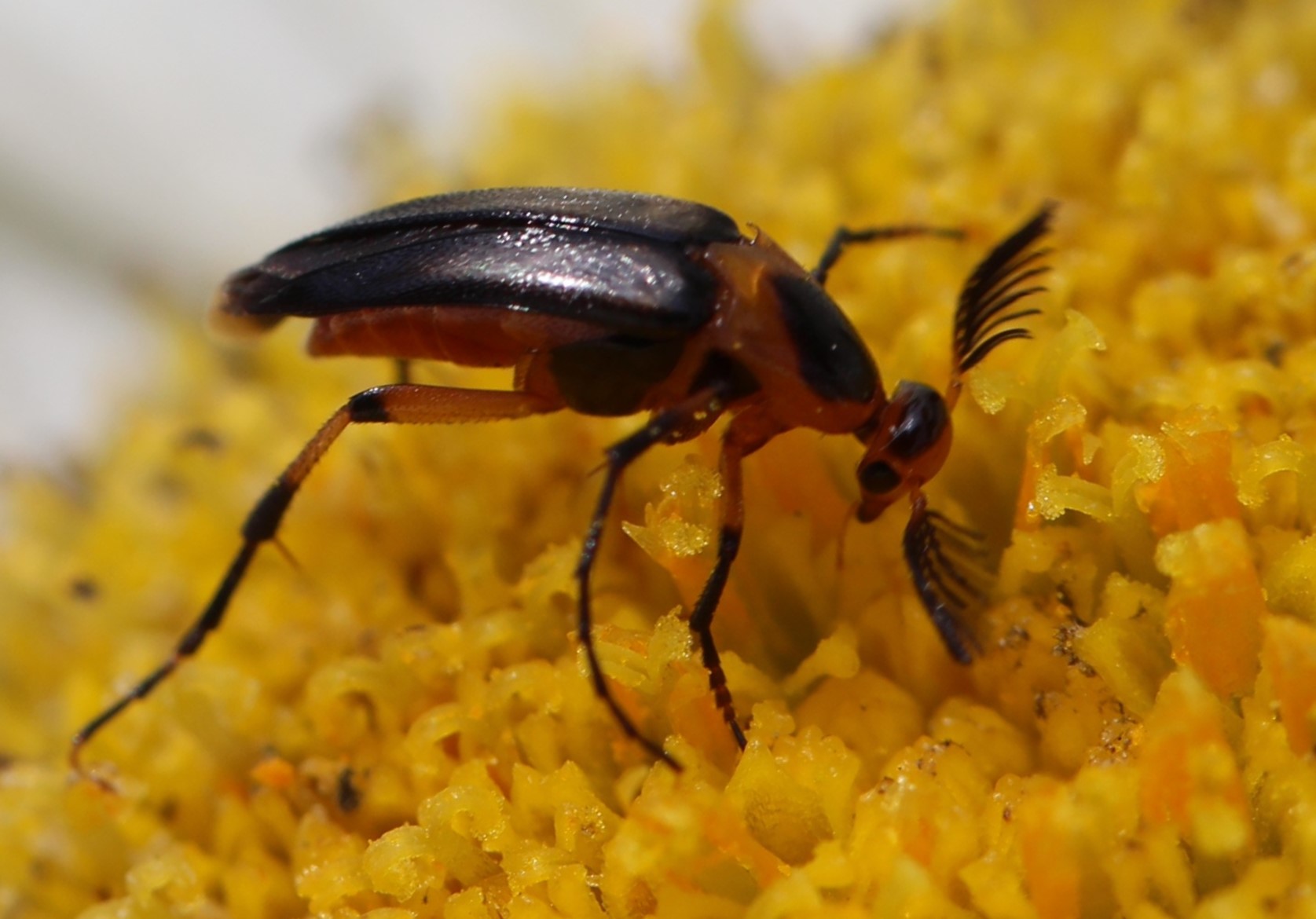
A Bordered Wedge-shaped Beetle (Macrosiagon limbata) in my backyard this past summer. He (you can tell it’s a male because of the impressive antler-like antennae) had shoved his head deep into this flower before pushing back to reveal his antennae.

As is tradition, I began last year’s posts with a roundup of photos from the past blogging year: Norfolk Naturalist Year in Photos (Dec 2022-Nov 2023). My first series of posts in 2024 were detailing my Algonquin observations from August 2023. This time, instead of following a strict chronology, I focused on the different areas I spent time at and the things I observed there. I began with organisms observed on or near our campsite, moved on to the Lake shore observations within Pog Lake Campground, and then described what I have come to call “Warbler River”. My final post in this series was all about the creatures I observed on the Peck Lake Trail, including carnivorous plants and dazzling dragonflies. 
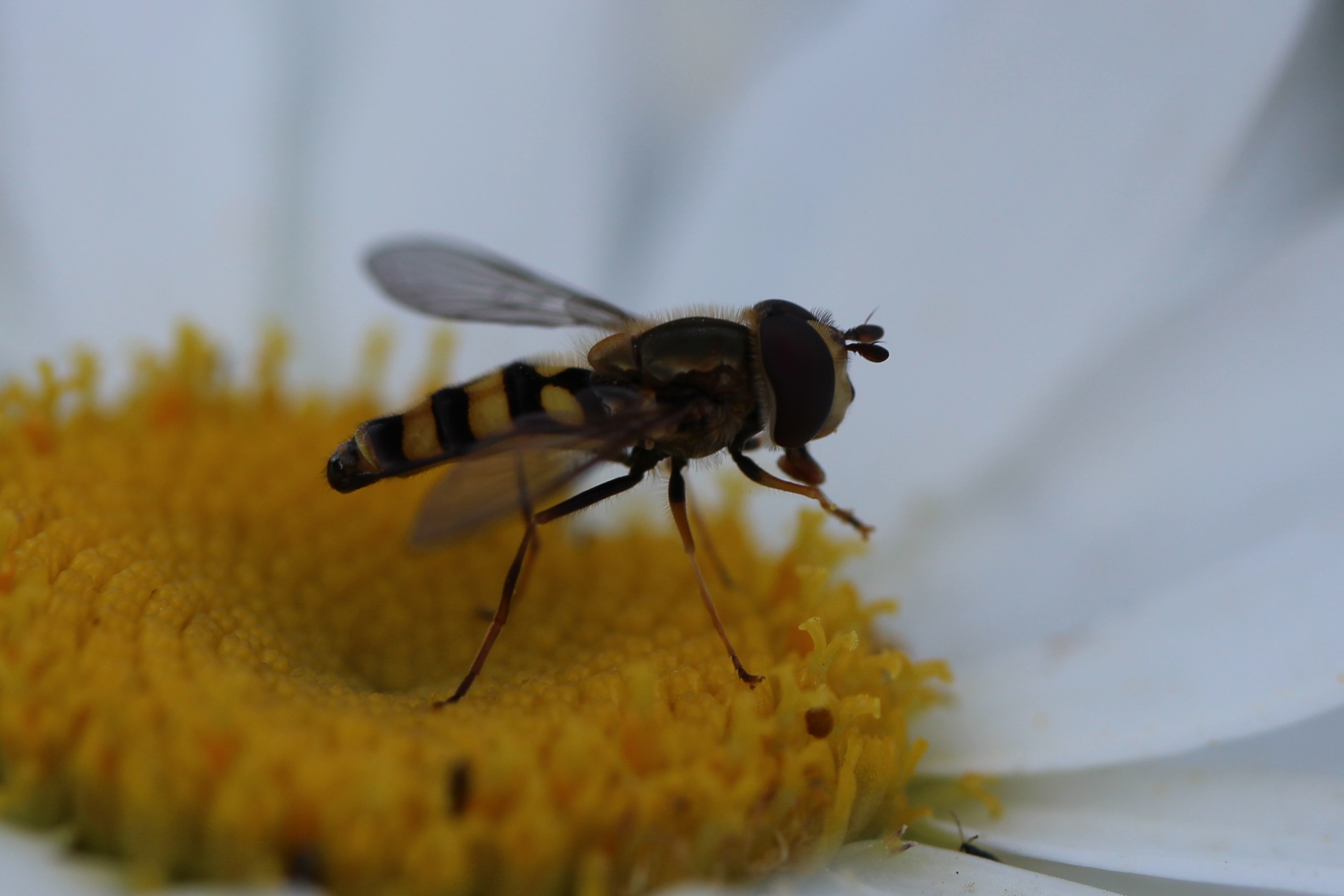
Long-tailed Aphideater (Eupeodes americanus) in my backyard in October. The name refers to the larva which consumes aphids, while the adult feeds on nectar.

In May 2024, I went on an amazing weekend trip to Point Pelee and did a lot of birding while there. So much birding that I observed over 20 different families of birds and more than 50 species!!! I want to look at each family of birds I observed (and eventually plan to do a couple non-bird posts too) but so far I have only posted about 2 of the bird families: Hirundinidae (the Swallows and Martins) and Icteridae (New World Blackbirds). Stay tuned for more of these bird observations to come.
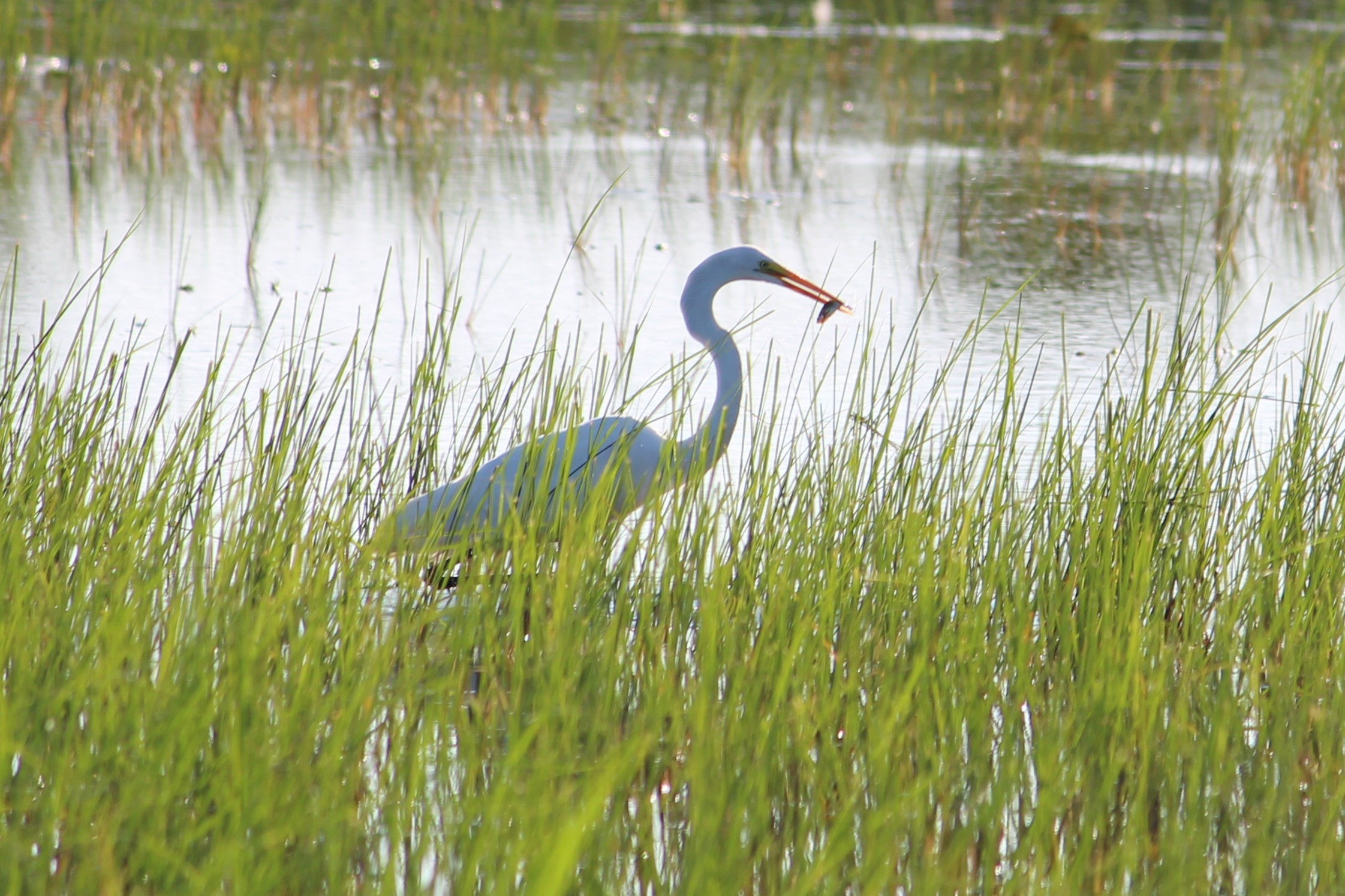
A Great Egret (Ardea alba) feasting on fish in Long Point in July, 2024.

In August, I did a re-post from my old tumblr blogsite, about some midges I observed in Pinery Park in April 2018. I still have several old tumblr posts to re-post here on my current blogsite and I will continue to do so in future.
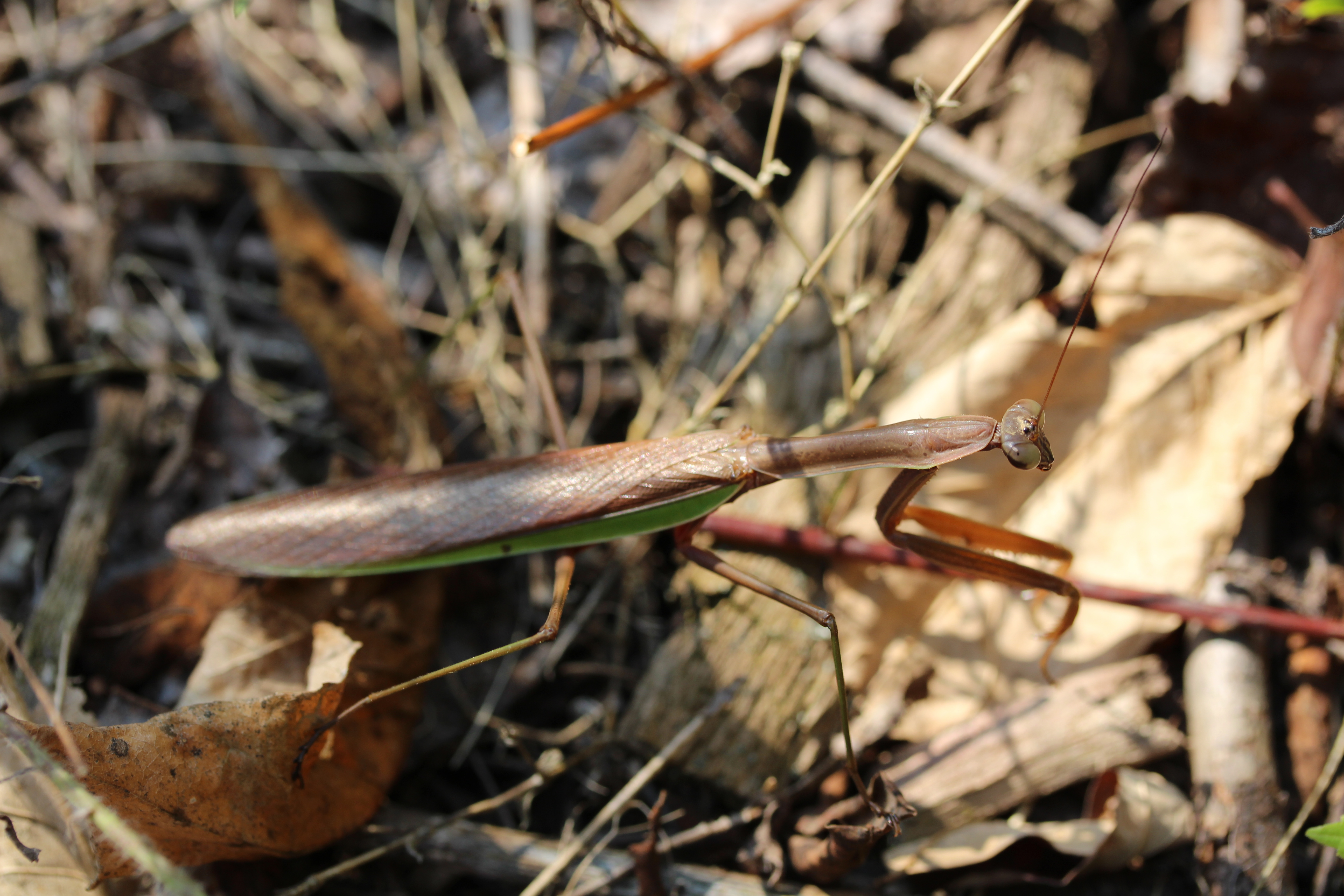
Also in August, I wrote a post about Ant Books, something I am particularly fond of. Check it out for your next ant book read. I’d like to do some more posts like this one in the future about other categories of nature books since I have an obsession with book collecting and have many more topics I could cover and explore through the books on my shelves.

Speaking of nature books… next up we will explore the nature books I’ve read over the past blogging year…

Dr Dhrolin’s Dictionary of Dinosaurs, by Nathan T. Barling and Michael O’Sullivan, Illustrated by Mark P. Witton

A combination of some of my favourite things, this book exceeded my expectations. Filled to the brim with incredible artworks by world-renowned palaeoartist Mark Witton (and the supplementary non-Witton art was also really well done). Chock full of theories of prehistoric creatures’ ecologies and behaviour (complete with scientific literature references). Intriguing creature design and optional magical rules to meld the species into a more fantastical setting. In-depth reconstructions of extinct ecosystems such as Hateg Island, Crato Formation, and more (complete with paleo-flora with their own magical abilities and uses to complement an exploration adventure). 

I was blown away by how much content there really was here, and all of it made for someone like myself who is fascinated by animal behaviour, extinct creatures, and incorporating those things into the fantasy worlds of roleplaying games. 10/10 for the art, 10/10 for the science, 10/10 for the format/style (there is a ribbon bookmark included, the pages are good quality, the images beautiful to behold).

If you are interested in prehistoric animals or ttrpgs, do yourself a favour and buy this beautiful, content-filled book.

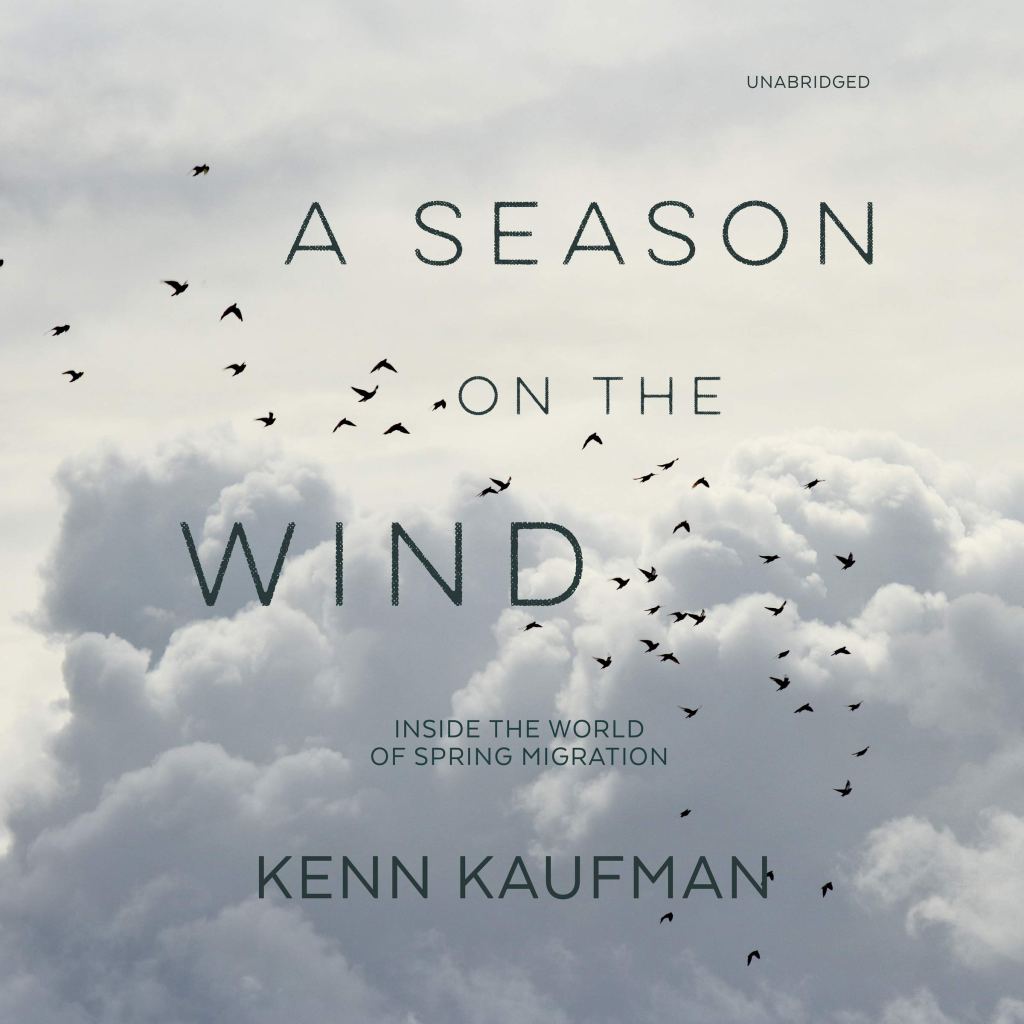
A Season on the Wind: Inside the World of Spring Migration, by Kenn Kauffman:
Version 1.0.0

* I listened to the Audiobook *

Part personal memoir, part reflections on past migration seasons, this book was a bit meandering, kind of like its subject birds. I enjoyed the impressions of people and the author’s heartfelt joy at the rise in birding and birdwatching as a hobby, and many of the stories of birds or people or projects were interesting. Some chapters focused on a particular group of birds, such as Warblers, Waterfowl, or Shorebirds, while others focused on aspects of migration. One of the most interesting was the chapter about methods of studying migrating birds because it fascinates me how little we still know and how much people have unraveled so far. A running thread through the book is a proposed wind turbine project in a bird migration hotspot and the local birding association’s struggle to halt its progress. I was surprised how invested I became in this story, despite it feeling a bit out of place in some of the other portions of the book. Overall, this was an easy read, most like a memoir or personal collection of impressions and interactions with migrating birds with some specific threads running throughout.

The Homing Instinct, by Bernd Heinrich:
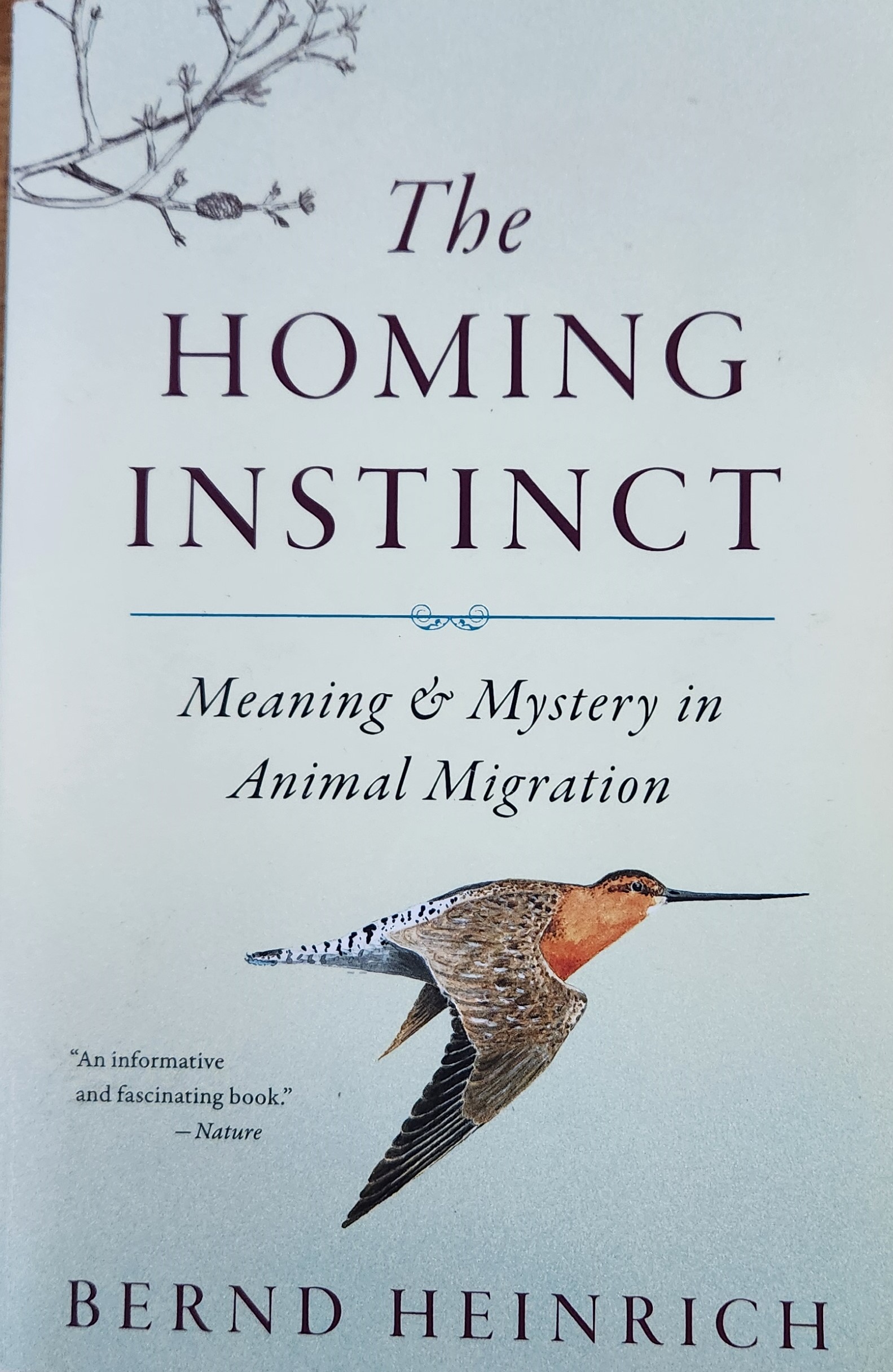
I really enjoyed this tour through the world of animal migration and homing and home-making behaviour. The tour was very idiosyncratic and a bit thematically messy. There was not as much of a common thread running through as there have been in other Heinrich books I have read, though he tried to link the stories within to “animal homing/homemaking”. 

Despite the lack of cohesiveness, the stories themselves were for the most part fascinating (I thought he spent way too long on a journal-style chapter about him hunting, felt out-of-place even amid other not-so-linked chapters) and informative. I learned some fun things about animals and plants, and appreciate them even more now.

The Red-winged Blackbird: The Biology of a Strongly Polygynous Songbird, by Les Beletsky:
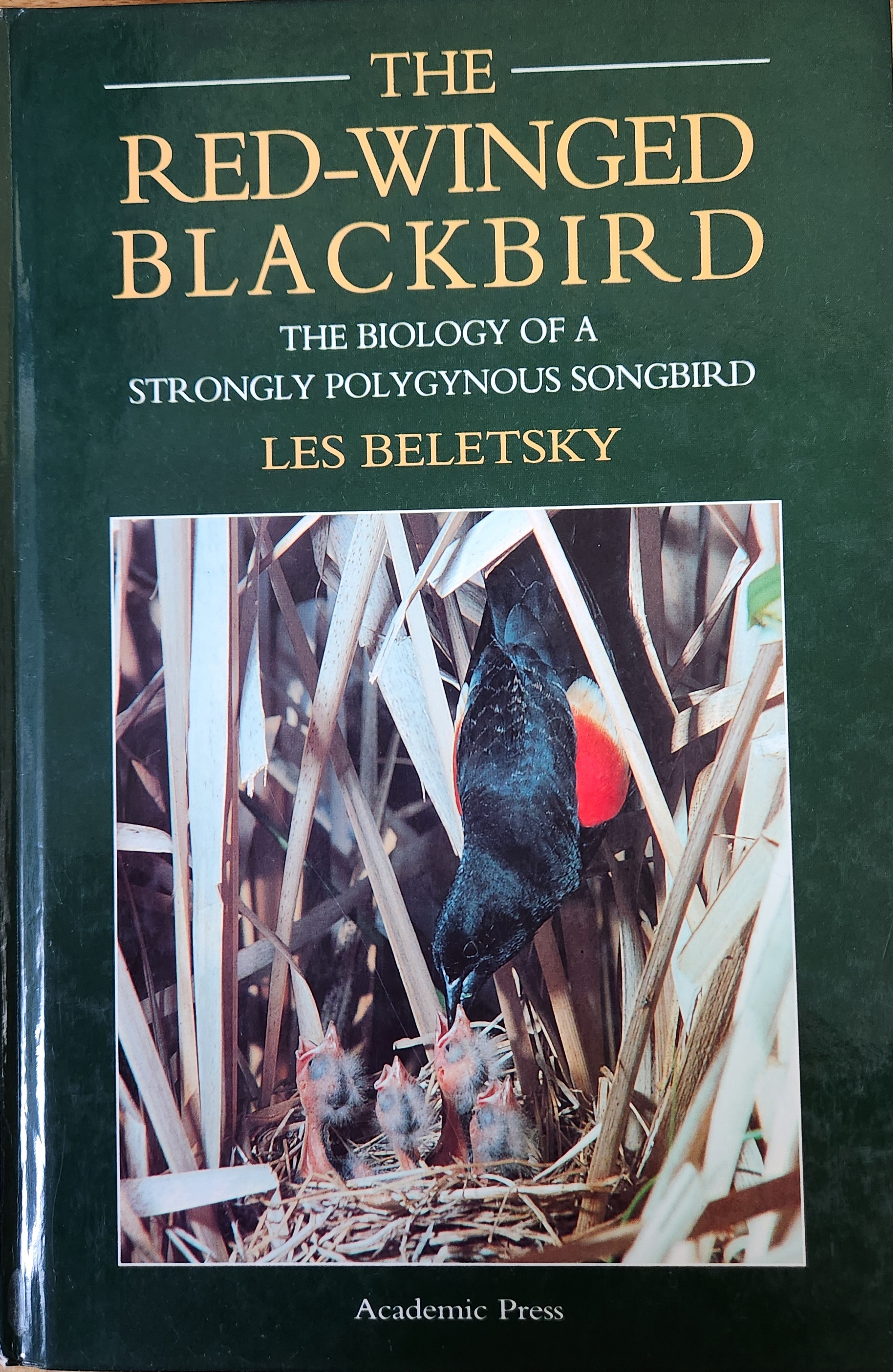
An excellent overview of the biology of a much-studied and common bird. The book focuses on Red-winged Blackbirds’ breeding biology and the studies most focused on are for a particular population in Washington state which the author has studied for years. One of the interesting points the book puts across is that Red-winged blackbirds are common across the United States, southern Canada, and Mexico but they exhibit different behaviours in different populations/regions. This is sort of a rule across animal species but it was interesting to see it demonstrated and explored with this familiar bird. Lots of interesting discussions of how animal behaviour research is done and how we know so much about a species because we’ve studied them for so long but as a consequence we open up more frontiers of mystery to explore (the research questions never stop, they only split into more questions).

Bird Migration (New Naturalist #113), by Ian Newton:

An incredibly detailed look at Bird Migration, focusing on the migrants in Eurasia-Africa because of being a British Natural History book. This book expanded my worldview on bird migration, bringing out the true complexity of this wondrous phenomenon. The book was dense with information, but the data was presented very readably, with very helpful concluding/summarizing paragraphs at the end of each chapter. Excellent photos were sprinkled throughout, illustrating the myriad species of birds discussed.

Well, that wraps up another year of blogging on norfolknaturalist.ca! If you’ve been reading along for the past 5 years, I want to extend a sincere thanks for journeying along with me. And if you’re new here, I want to welcome you to share in my observations and wonder at the natural world all around us.

For previous blogversary articles, see:

Happy Birthday, Norfolk Naturalist!

Happy 2nd Birthday, Norfolk Naturalist!
Happy 3rd Birthday, Norfolk Naturalist!

Happy 4th Birthday, Norfolk Naturalist!

Categories
book review

Flies: The Natural History and Diversity of Diptera, by Stephen A. Marshall

People are always going on about how Beetles are so diverse, biologists are always explaining to theologians that God must really love Beetles*, and whenever anyone asks “What’s the most diverse group of organisms?” Beetles are always top of the list. UNTIL NOW.

*in case you don’t know the anecdote this is referring to, the earliest source (according to quoteinvestigator.com) runs thus: “There is a story, possibly apocryphal, of the distinguished British biologist, J. B. S. Haldane, who found himself in the company of a group of theologians. On being asked what one could conclude as to the nature of the Creator from a study of his creation, Haldane is said to have answered, “An inordinate fondness for beetles.”” (Hutchinson 1959).

Stephen Marshall proposes in his magnificent volume on the diversity of flies that there are historical reasons why beetles are held up as so diverse when the truth is that they might just be more closely studied than other insect groups… other groups like the order Diptera (true Flies), for instance. And if you read through this 600 page volume loaded with superb photographs and covering every single family of flies in some detail you will come away with the powerful impression that Stephen Marshall is on to something. Flies, a group often neglected because they don’t always photograph well, many look very similar to each other, and a lot of them have distasteful feeding habits, are showcased as the hyper-diverse evolutionary marvel that they are.

Metallic Green Long-legged Fly (Condylostylus sp.), photographed in my backyard, June 2018. I’m just going to post some of the many interesting flies that I’ve photographed myself throughout this article. Stephen Marshall mentions that digital photography is opening up the realms of entomology to amateurs in a way that hadn’t been possible in the past. I wholeheartedly agree!

The book’s first part: “Life Histories, Habits and Habitats of Flies” runs through a sampler of what flies do as larvae and adults. This includes the life cycles of Diptera in general, but elaborates on more specific groups where appropriate. Other sections in this part describe flies interacting with plants, fungi, invertebrates and vertebrates. This entire section comprises about 90 pages and goes into considerable detail on specific guilds* such as the worldwide coastal communities of “wrack flies”, flies that have larvae that feed within decomposing piles of seaweed washed upon shores. Along with the various interactions between flies and invertebrates, this section also includes a discussion of the many human diseases caused or carried by flies such as mosquitoes (Family Culicidae) or house flies (Musca spp.).

*A guild is a group of animals that are united by a common feeding strategy or resource use, but not necessarily united in relatedness. For example, flies from different branches of the Dipteran family tree are considered part of the leaf-mining guild if their larvae produce mines in leaves.

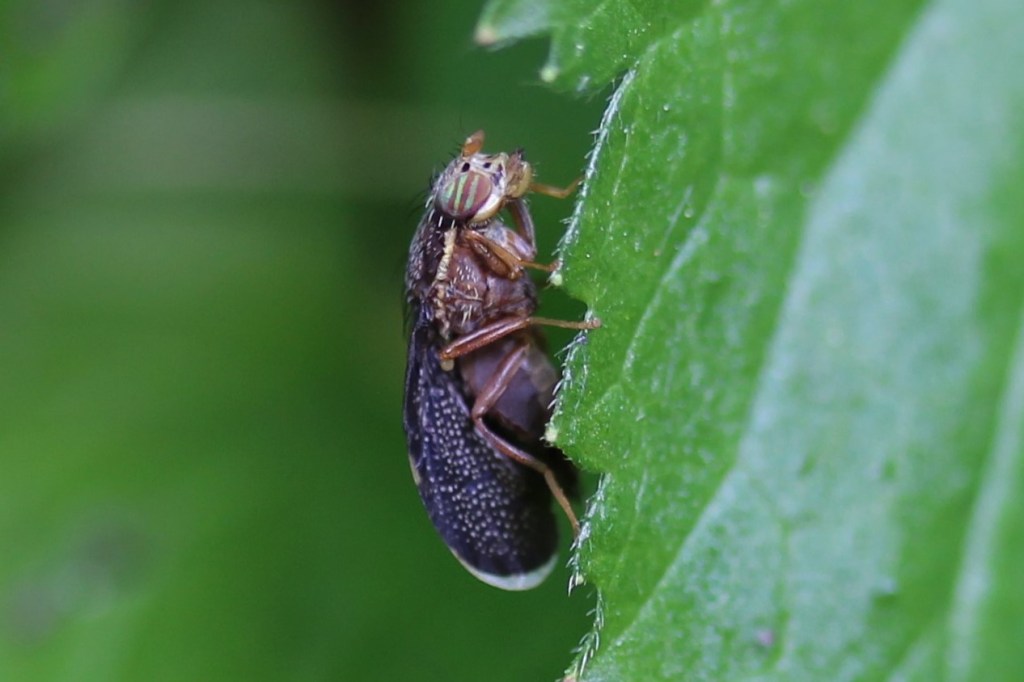
Eutreta novaboracensis, a Fruit Fly of the family Tephritidae, photographed in my backyard, June 2018.

The second part of the book is titled “Diversity” and reading through this catalog of fly families and subfamilies truly does drive home just how incredibly diverse the Order Diptera is. Each chapter covers a large portion of the fly family tree and opens with a diagram of the proposed relationships between the fly groups within. This opening section of each chapter moves from family to family, and describes the basic characteristics of each group detailing subfamilies where possible as well. Within these descriptions are not just lists of characters used to distinguish one family from another but also the basic biology of each group when known. A couple of key things to note here: even when dividing up the flies into smaller and smaller groups it can be hard to generalize because you are still dealing with huge swaths of species in some instances and in others you are simply dealing with species doing very different things despite their close-relatedness. Marshall does a good job of explaining this and I’ll provide an example here from the section on Tipulidae (the Crane Flies, of which there are more than 15 000 described species): “Although most larvae with known biologies are saprophagous and eat microbe-rich organic matter (normally, decaying plant material) in wet environments, some crane flies are predaceous, fungivorous or phytophagous… Some groups have become specialists in extreme environments such as caves, marine intertidal zones and deserts, but most occur in humid forests and wetlands. Most Tipulidae are unknown as larvae.” (Marshall 2012 p. 110).

Crane Fly (Tipula sp.) photographed on the Lynn Valley Trail, May 2018.

The above quote demonstrates the way in which Marshall overviews the lifestyles of the fly groups providing tantalizing glimpses of their diverse life histories, but it also provides an example of something that is rife within the 600 page volume: the overwhelming amount of flies or fly habits that are unknown. To demonstrate, here are some quotes from throughout the book (Marshall 2012):

Valeseguya rieki is known only from a single male specimen” (p 136)

“Larvae and larval habitats of the Lygistorrhinidae remain unknown” (p 141)

“Nothing is known of the biology of these obscure little flies [Ohakunea]” (p 141)

“adults of Oreoleptis (and thus the family Oreoleptidae) have yet to be collected in the field” (p 198)

“The 500 or so species of Acroceridae occur in every part of the world, but most are known from only a few specimens” (p 205)

“Essentially nothing is known about the biology of either Apystomyia or Hilarimorpha” (p 235).

“Even though signal flies [Platystomatidae] are usually conspicuous and attractive flies, many species remain undescribed.” (p 332).

“Larvae are unknown for most species in the family [Lonchaeidae] and little is known about behavior” (p 335).

“The biology of most Pallopteridae species remains unknown” (p 339).

“The truth, however, is that we know almost nothing about the life histories of these bizarre flies [Ctenostylidae]” (p 340)

“Nothing is known about the biology of this group [Nothybidae]” (p 348)

“Despite a worldwide distribution, with about 140 known species spread over every zoogeographic region, not much is known about asteiid biology.” (p 363)

“Nothing is known of the biology of the Neotropical dwarf fly genera [Periscelididae]” (p 365)

The quote list above is not comprehensive, but rather a sampling to show some of the many groups of flies that are mysterious despite their ubiquity in some cases. I don’t want the quotes above to be taken as evidence that the book contains little in the way of information on the flies of the world, seeing as so little is known overall. On the contrary, this volume is chock-full of biological details found nowhere else except the specialized literature and I found myself blown away by many intriguing and fascinating descriptions of fly families and subfamilies. Below are a few of the more interesting groups I had never encountered before reading through this book.

Frog midges (Corethrellidae) are attracted to singing frogs where the females feed on the frog’s blood. Some Phorid flies lay their eggs inside ants, where their larvae consume the ant’s head from the inside. After feeding within, the larvae decapitate the ants and pupate within the armored shelter before emerging as adult flies. These flies are known as ant-decapitating flies, and there are more than 300 species of them in the genus Apocephalus. Vermileonidae is a family of flies known as “wormlions” which are essentially the antlions of the diptera, their larvae constructing cone-shaped pits to trap wandering insects for prey. The Fergusoninidae is a family of flies that “develop only in galls induced by a specialized and codependent group of nematodes” (Marshall 2012, p 366).

Probably my personal favourite are the smoke flies. The smoke flies, platypezid Microsania spp., are attracted to fires (even campfires) but are rarely seen elsewhere. The smoke fly swarms are often followed by the predatory empidid dance fly Hormopeza which “seems to be a specialized predator of smoke flies. Like Microsania, the smoke dance flies are rarely seen except when they appear in plumes of smoke.” (p 298). I feel like the smoke flies, a group of species that can be attracted to something as common as a campfire, and yet are known from basically nowhere else (and thus poorly understood biologically) perfectly encapsulate the mystery and wonder of flies that I have gained from reading this book.

All of this fascinating information is found within the comprehensive and authoritative text, and after going through family by family in this fashion, each chapter in the “Diversity” section has a “photographic guide” portion which covers representatives of most subfamilies with further notes on natural history and significance of genera pictured. The scope of the pictures is mind-boggling and further bring home the diversity of flies, as well as their surprising beauty.

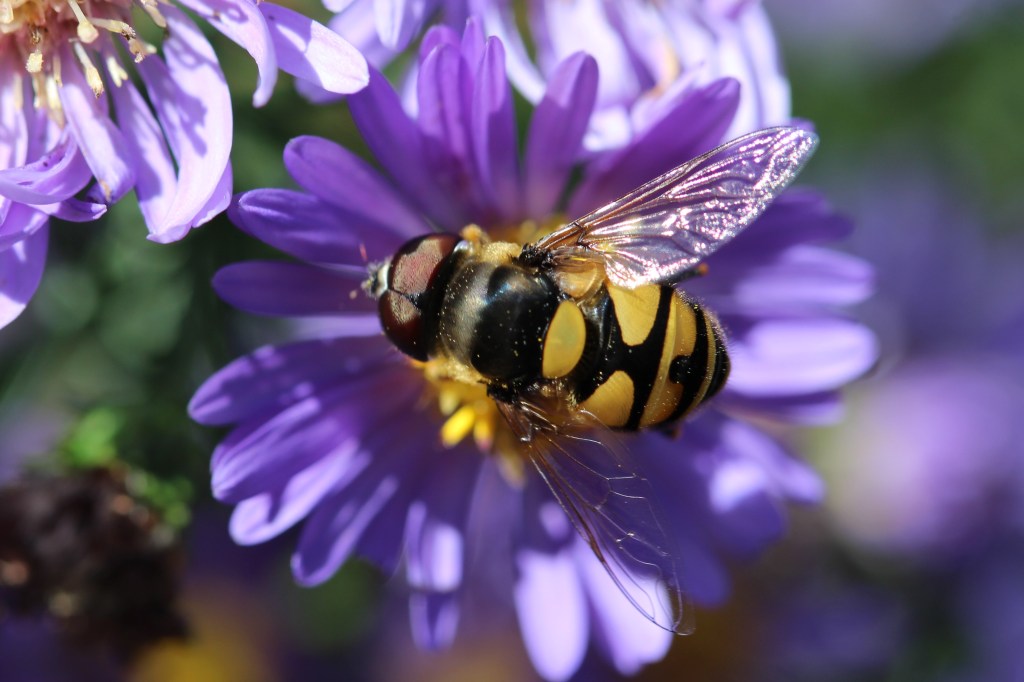
Transverse-banded Flower Fly (Eristalis transversa), photographed in my backyard, September 2018.

The final, shortest section covers collecting, preserving and identifying flies, and contains notes for those interested in starting insect collections of their own (as in, pinned specimens) as well as keys for identifying the major fly groups.

I can honestly say that if this book were published with only the text portions I would buy it because the text is just that valuable in overviewing the enormous diversity of the fly families. And I can also say that if this book were published with only the pictures and captions, I would also buy it for the incredible amount of biodiversity on display, captured in wonderful images of flies from around the world.

I cannot recommend this book highly enough. If you are an insect enthusiast, if you are at all interested in the diversity of life and if you enjoy gasping at revelations about the tiny wonders that flit around the world you have to read this book.

References:

Hutchinson, G. E. 1959. “Homage to Santa Rosalia or Why Are There So Many Kinds of Animals?” The American Naturalist93(870), 145–159. http://www.jstor.org/stable/2458768

Marshall, Stephen A. 2012. Flies: The Natural History and Diversity of Diptera.

For previous book reviews, see:

The Paleoartist’s Handbook, by Mark Witton

The Social Biology of Wasps, ed. by Kenneth Ross and Robert Matthews

Pterosaurs, by Mark Witton

Flora of Middle-Earth, by Walter Judd and Graham Judd

And for a podcast review, see:

The Field Guides