I love ants. If you’ve read some of my blogposts or know me personally you already know this. My admiration and appreciation for these animals was built in large part by reading well-written and informative books about ants. I want to take a mini tour through my bookshelf to describe, introduce, and recommend my favourite books about ants.
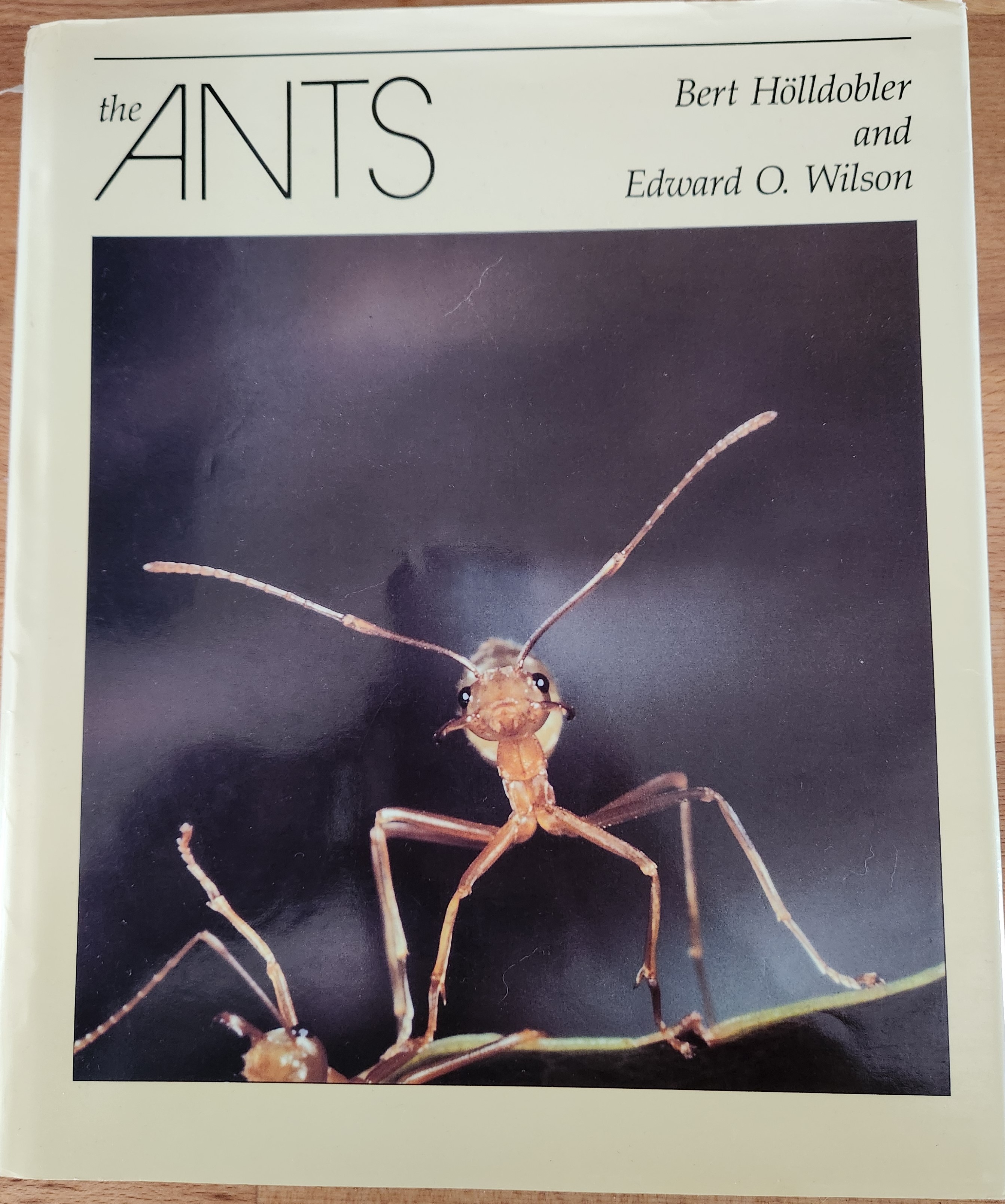
The Ants, by Bert Holldobler and Edward O. Wilson
As you can guess from the monolithic title, this is THE book about Ants, covering them comprehensively from their anatomy to their ecology. Despite the wide variety of topics, there is a throughline of focus on the sociality of ants which is unsurprising given E. O. Wilson’s personal interest in the subject*. Despite being comprehensive for its time (published in 1990), The Ants reads with a narrative flow and moves smoothly from one fascinating topic into the next. The dense information is conveyed in a very engaging fashion and illustrated with wonderful line drawings throughout. If you are seriously interested in ants, there is no equal to this tome.
*E. O. Wilson has written several books focused on the evolution of social behaviour in animals inspired by his studies of social insects, including Sociobiology, The Social Conquest of the Earth, and The Insect Societies. I can personally recommend The Insect Societies as an excellent introduction to the social insects. Despite being published almost over 50 years ago now (in 1971), the text is engaging and informative and serves as an excellent overview/introduction to the world of eusocial insects.
Things I learned: Weaver ants wage territorial wars across treetop empires, carpenter ants bring their aphid “cattle” inside for winter and then bring them back out to their host plants in Spring, honeypot ants have a “storage” caste which hangs from the ceiling of their nests as living larders and many many more fascinating insights into the incredibly diverse and complex world of ants.
Field Guide to the Ants of New England, by Aaron M. Ellison, Nicolas J. Gotelli, Elizabeth J. Farnsworth and Gary D. Alpert
This is the only pictorial field guide to ants that I’ve encountered and as such it is extremely valuable to me. I haven’t read through it, but have used the keys on the inside of the front and back covers to identify my ant photos to subfamily and then gone through the genus and species photos looking for a match. The layout and design is excellent, and the natural history notes are great as well. Although this is a guide to the ants of New England specifically, the ants of southern Ontario overlap with the ant fauna of New England to a great extent, making this an important field guide for ant enthusiasts in various regions across Eastern North America.
Things I learned: double-petiole ants are almost certainly part of the subfamily Myrmicinae in our area (northeastern North America).
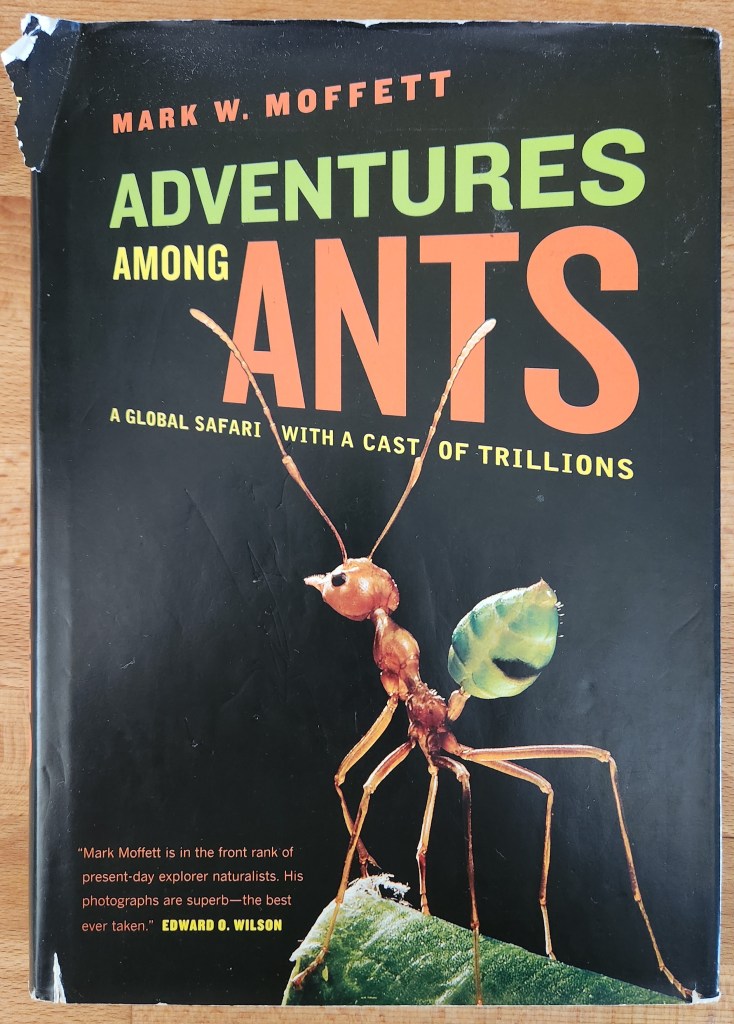
Adventures Among Ants, by Mark W. Moffett
If you’ve ever wondered what it’s like to explore tropical rainforests in search of ant empires, this is the book for you. The stories of fieldwork transport you to the fascinating ecosystems of the tropics and the incredible ants that can be found there. This book was a gateway book for me because it was semi-popular science and also fairly technical. The adventures of fieldwork and the bizarre adaptations of tropical ants combine to make this an exciting dive into myrmecology.
Things I learned: Weaver ants use their larvae as glue guns to sew leaves together in their arboreal nest construction, fire ants construct living rafts with their bodies in order for the colony to survive floods, marauder ants (Carebara diversa) have a 500-fold size difference between minor workers and major workers, such that the minor workers can ride comfortably atop the major’s head without causing a stir.
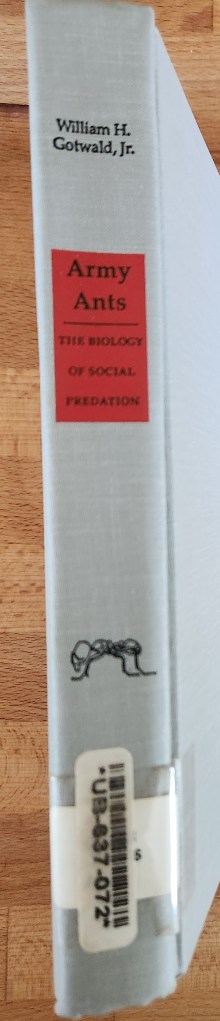
Army Ants: The Biology of Social Predation, by William H. Gotwald, Jr.
Who isn’t astounded by army ants? They are the ultimate super-organism, a group of tiny individuals acting as one large predator. From reading The Ants I was already introduced to these miniature soldiers and the concept of the “social stomach” where because ants share their food and resources among colony members you can think of them as having one stomach. In the army ants’ case you can also think of them as having “social mandibles”, tearing into prey in their path as a group and subduing surprisingly large prey items.
Things I learned: There are many different species of Army Ants, members of multiple subfamilies.
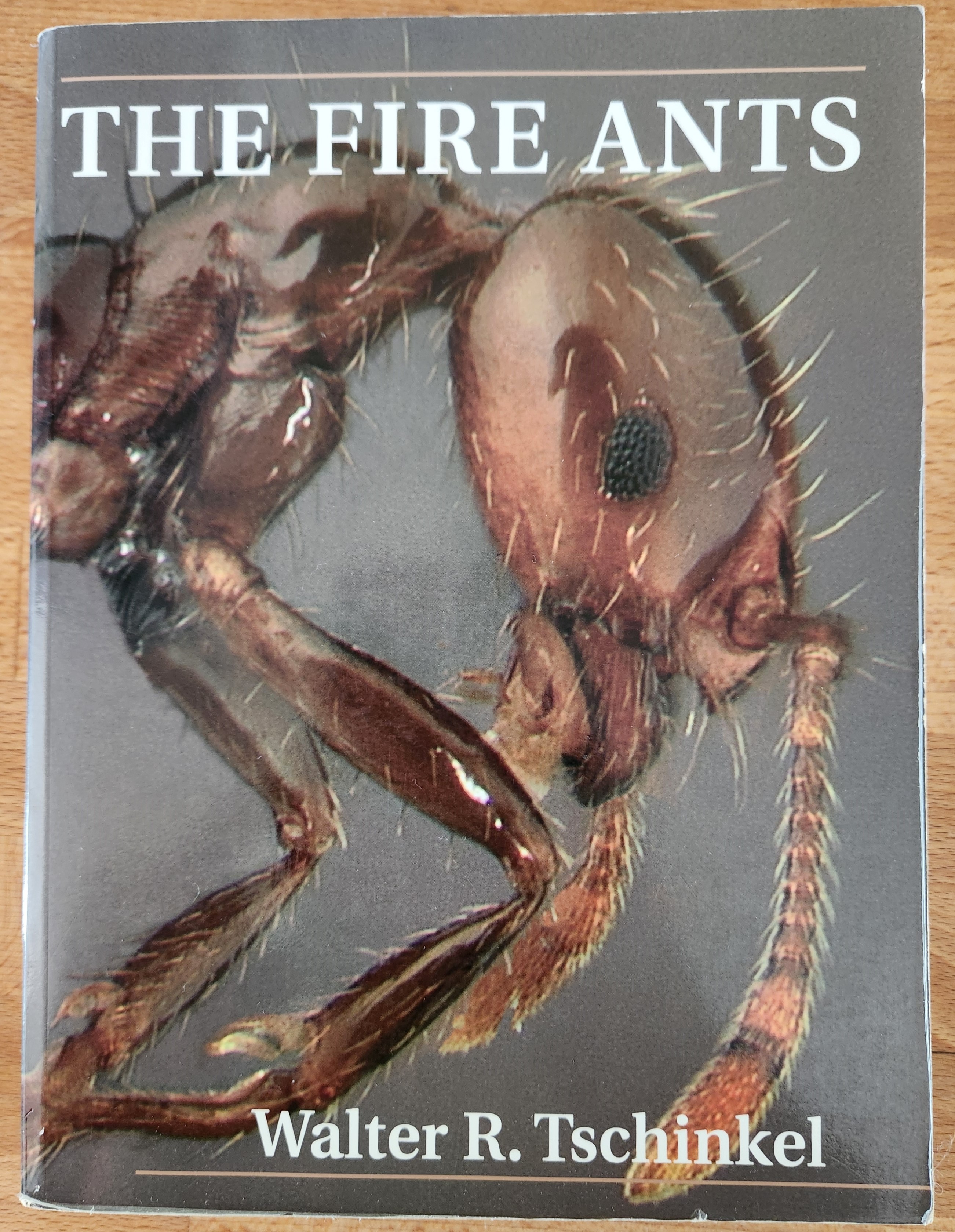
The Fire Ants, by Walter R. Tschinkel
Talk about a monograph. If reading a 600-page book about a single species of ant feels like a dream come true to you, then you are me. Surprisingly humorous and extremely insightful into the world of fire ants, this incredible book deals with some other ant species but is especially focused on the invasive fire ant Solenopsis invicta, which has spread across the southern half of the United States over the past half-century or so. Part case-study of an invasive species, part monograph on all biological aspects of said species, this excellent book also contains vignettes about the author’s work as an ant researcher (properly a myrmecologist) and many fascinating stories about fascinating ants.
Things I learned: fire ants have super complex colony founding, they can become super colonies or super territorial and it’s genetically determined. This discussion of fire ant genetics and alleles was actually the most well-written explanation of the genetic research and relevance that I’ve ever read (as in, I could understand and follow it, genetics is often a bit over my head with all of its complexity and biochemistry).
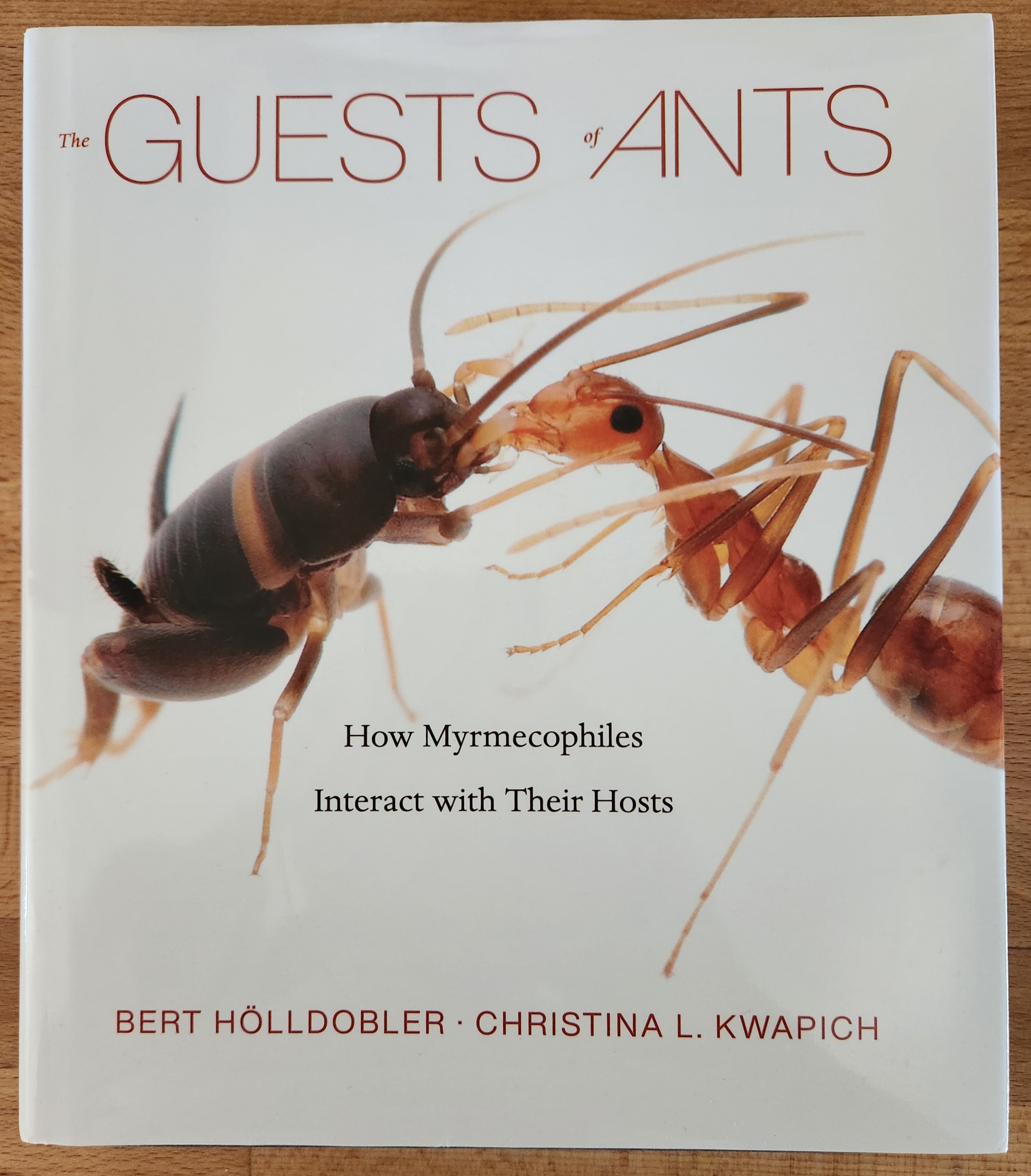
The Guests of Ants, by Bert Holldobler and Christina L. Kapwich
This is the most recent addition to my list of amazing ant books, published just a couple years ago in 2022. The images within are astounding, I found myself gasping as I turned pages to come across beautiful photographs of behaviour rarely seen. This tome is focused on the adaptations and behaviour of “Myrmecophiles”. It’s hard to define myrmecophile* because the interactions range from parasitic organisms dependent on killing their hosts (ant-decapitating phorid flies for instance) to beetles that appease their ant hosts with nectar secretions in exchange for a safe stay within an ant nest. So much is unknown about these complex interspecific interactions and the mysteries unfold in incredible stories throughout this book, leaving me wanting a sequel.
*the word means “ant-lover” which I guess could apply to me? Am I a myrmecophile of sorts? Are you?
Things I learned: Some mites ride on ants’ heads or feet, some spiders are ‘transformational mimics’ of ants: meaning that they resemble different ant species at each successive moult, there is a subfamily of crickets (featured on the cover!) which depend on ants, one species lives exclusively on Yellow Crazy Ant liquid food exchange, there are even frogs which live inside ant nests by chemically masking themselves.
I’m sure there are more excellent books about ants out there (I can actually think of a few more myself…) but these are my top favourites from the ones I’ve read. Do you have any recommendations? Let me know! I’m always up for a good book recommendation about one of my favourite animal groups.
3 Years of Blogging at norfolknaturalist.ca have passed and it’s time to look back at the past year of my naturalist adventures and reading/writing. Let’s go!
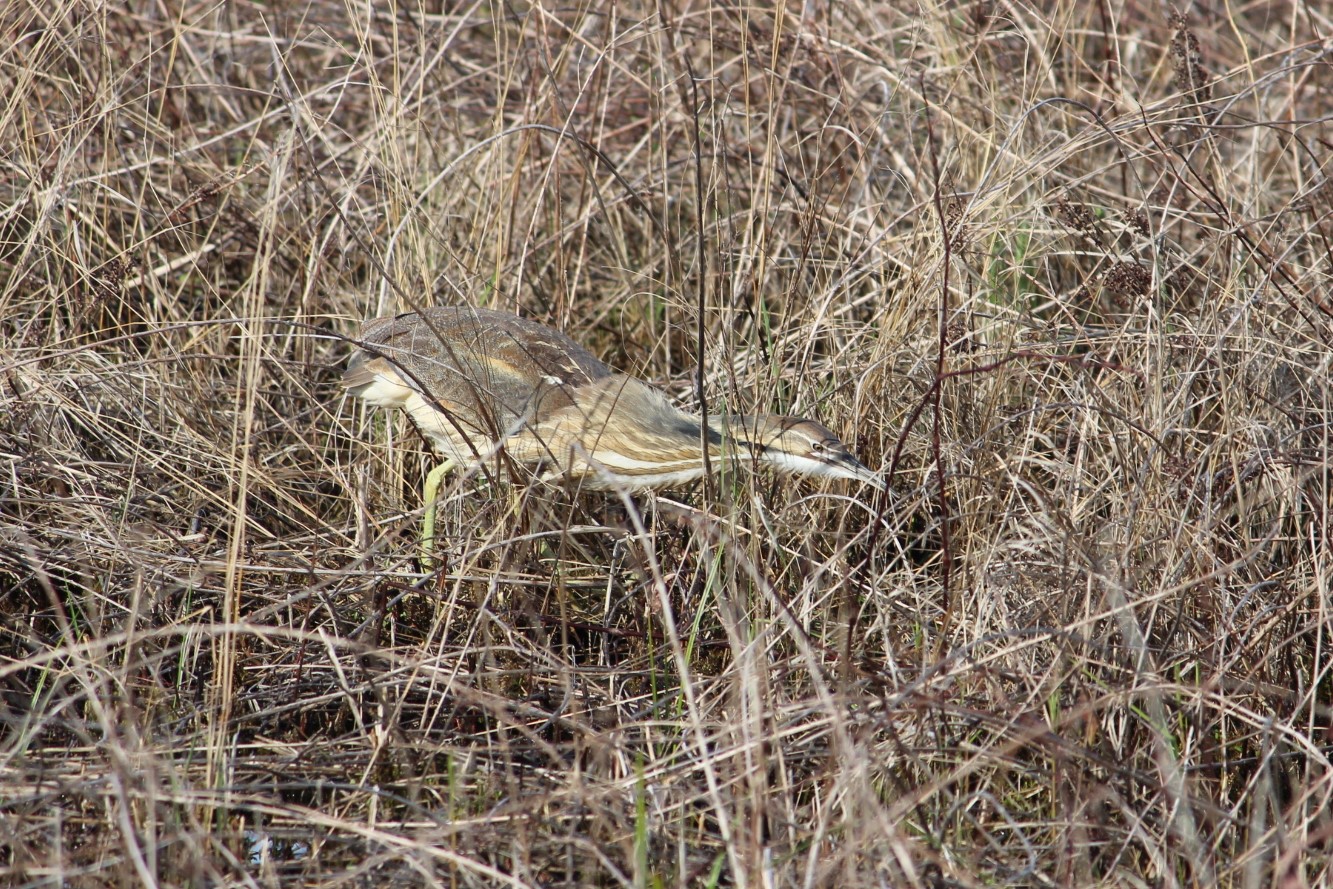
Look closely and you’ll see one of my most amazing bird sightings this year, a stealthy American Bittern (Botaurus lentiginosus) in Long Point, May 2022.
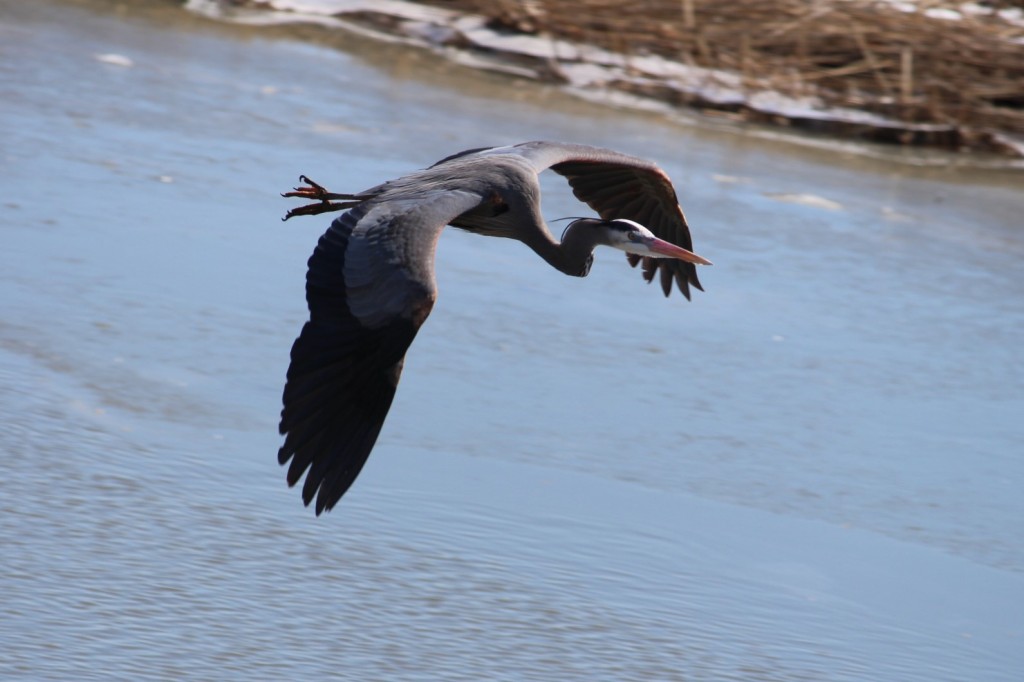
A close encounter with the Heron I usually see, the Great Blue (Ardea herodias).
In March of this year, I reposted my original blogpost (Cryptic Caterpillars) from my tumblr blog (anorfolknaturalist.tumblr.com) because I hadn’t finished any other blogposts for the month and I also want to repost all of my original tumblr blogposts on this website, with occasional minor edits and updating. I reposted another tumblr post in May (MacGregor Point Observations (May 2018)) And in October, I reposted yet another, this time with a Halloween theme: Eaters of the Dead.
In April I was amazed and delighted to find that Ravens were nesting on my parents’ property (specifically on their silo), so I wrote a post about my observations and their significance.
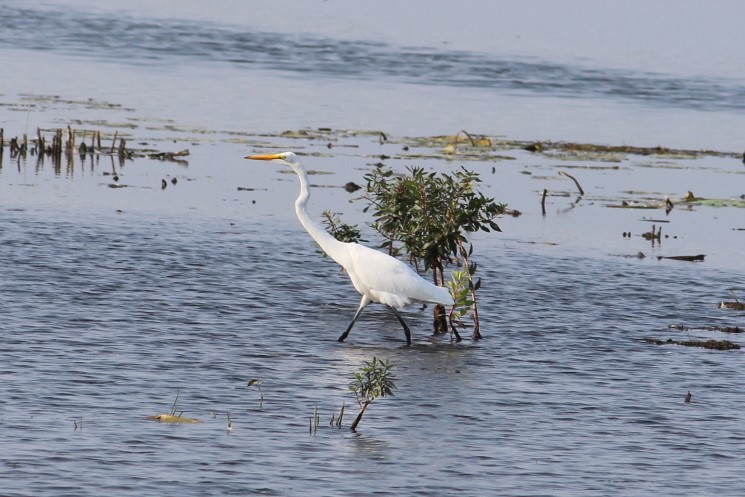
Great Egret (Ardea alba), in Long Point, September 2022.
In June I went to see Jurassic World: Dominion, the latest film in the Jurassic Saga. I wouldn’t say it’s a great film, but I did really enjoy it, especially with the theatre experience. I wrote a blogpost about my personal interactions with the Jurassic books/films/videogames and some paleontological things because they were on my mind a lot at the time. You will see that some of the books I read over the blogging year (overviewed below) were also inspired by my dinosaur obsession which comes and goes quite often.
Some of my most exciting observations this year were of birds that I encountered in Long Point. And some of the most exciting birds were members of the Heron Family (Ardeidae). Usually I see and take photos of Great Blue Herons (Ardea herodias) which is great but it was amazing to encounter several other members of this charismatic group of birds this year. My close encounter with a Green Heron (Butorides virescens) was so striking that I wrote it up into a blogpost: A Green Heron Stalks the Shallows.
Two other blogposts feature some of my Long Point observations. One is sort of a tour through a variety of observations I made during March 2022: Bullfrogs and Buffleheads. Another is more like the Green Heron post mentioned above, as it focuses on a specific bird that caught my attention. In this case, it was the Green-winged Teal (Anas carolinensis): The Teal Tale Teale Told.
During August, we took a trip to one of my favourite places: Algonquin Provincial Park. While there, I made some nature observations and took some photos, sharing them in my blogpost here: Algonquin in August.
And that wraps up my writing this year. Below, we will take a tour through the books I read this past year (that are nature/science related) and discuss them briefly.
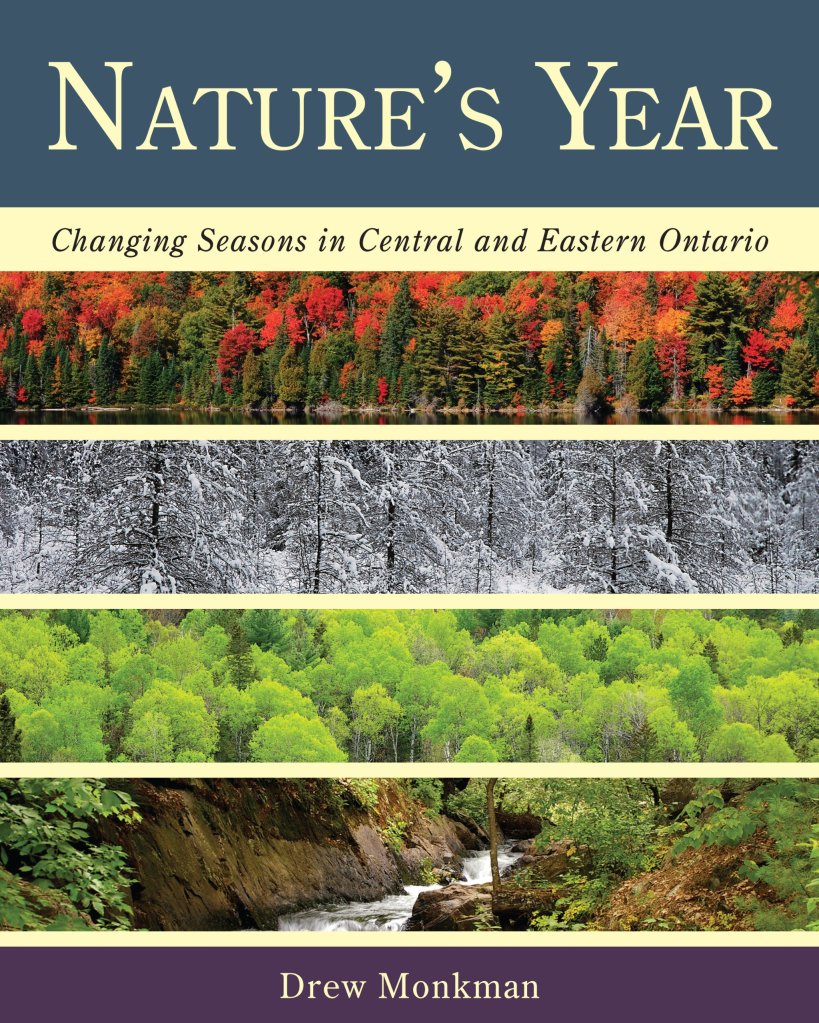
Nature’s Year: Changing Seasons in Central and Eastern Ontario, by Drew Monkman:
Although the book is not directly focused on my local area (Norfolk County falls outside of the books focal range), the close proximity of the areas documented mean that many of the natural phenomena described within are of relevance to the seasons around me as well. I really appreciated the layout of the book. Each month is divided into sections based on organism type: “Plants and Fungi”, “Reptiles and Amphibians”, “Mammals” and so on. Beneath each of these sub-headings, interesting happenings are described, some in point-form and others in detail (full page or two). It was great to witness the natural events mentioned in the book, to read along as each month progressed as I did in 2021. Reading the book through the year prepares your mind to see the natural events it describes. An advantage of the layout is that it also works well as a reference because you can flip to a certain month and type of organism to see what notable species or events are occurring.
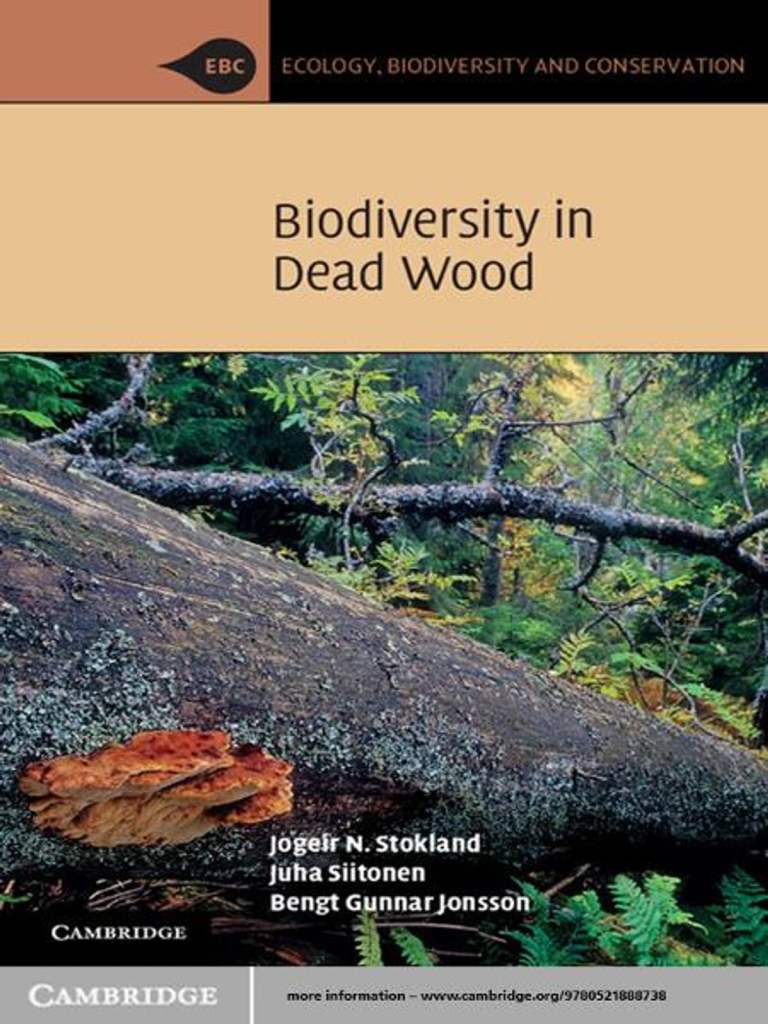
Biodiversity in Dead Wood, edited by Jogeir N. Stokland, Juha Siitonen, and Bengt Gunnar Jonsson:
A new favourite book of mine, this volume opened up the mysterious biome of decaying wood and explored the diversity of life within, from bacteria to birds. The interactions of organisms with each other and their environment is the heart of ecology and it’s clear from my reading that species are interconnected in fascinating and complex ways.
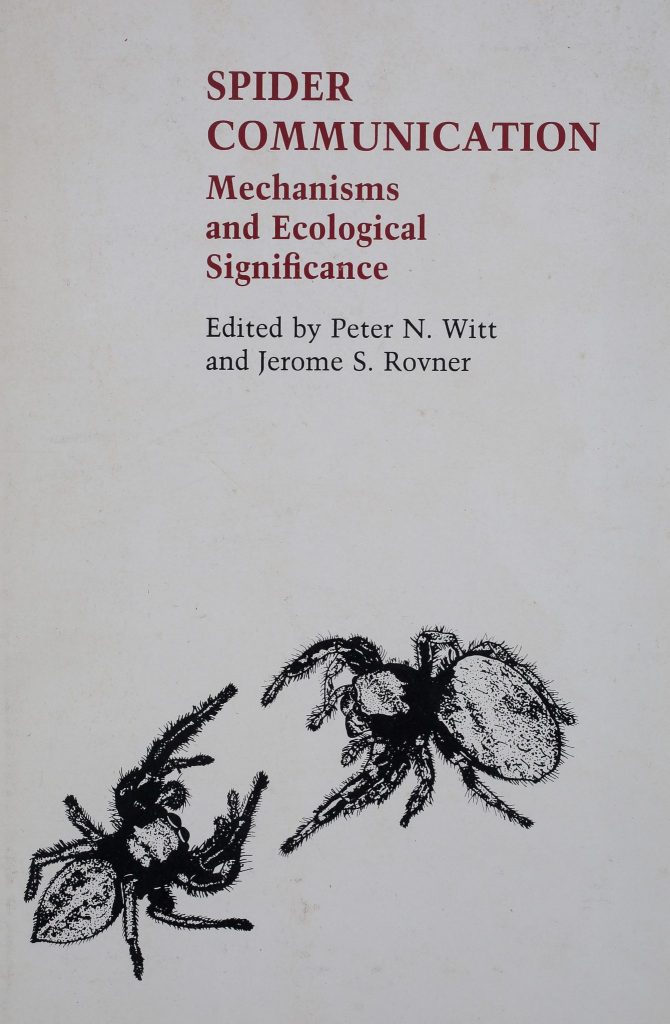
Spider Communication: Mechanisms and Ecological Significance, edited by Peter N. Witt and Jerome S. Rovner:
The title of this book drew me to it as I am always fascinated by animal behaviour and Spiders seem to me unlikely subjects of a volume dedicated to communication. Reading the book offers a new perspective on spider interactions with each other through their silk and body movements and even acoustics! They also communicate with predators and prey,
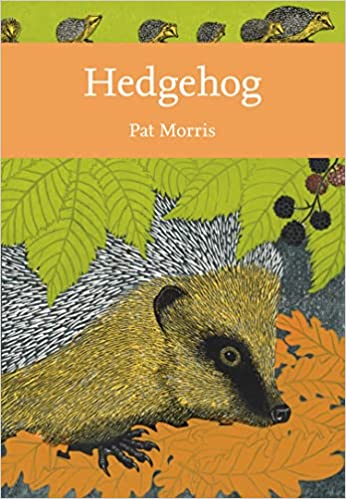
Hedgehog (Collins New Naturalist), by Pat Morris:
I didn’t really know anything about Hedgehogs before reading this book. And there was no need, as this volume summarizes in entertaining fashion most anything anyone would want to know about British Hedgehogs.
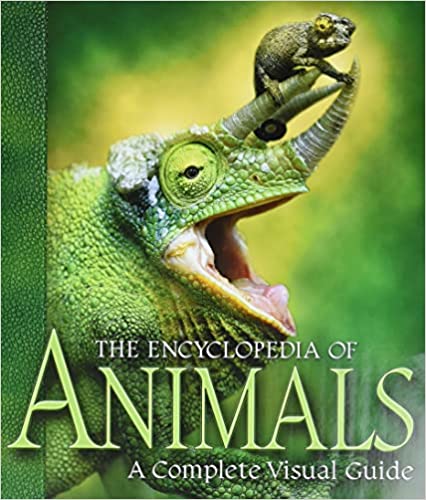
The Encyclopedia of Animals: A Complete Visual Guide, edited by George Mckay:
I read through this book slowly, as it is not really meant to be read straight through. This book serves best as a flip-through book, showcasing the diversity of animals around the world. The illustrations are at times a bit strange (I believe many are stock illustrations) and don’t seem to match with the animal they depict, but others are quite beautiful and the diversity they portray is fun to look at. The text is very cursory as would be expected with a popular “flip-through” tome like this. My major gripe with this book is something I used to harp on about all the time growing up as an insect enthusiast: Invertebrates are barely represented. Mammals get the majority of pages devoted to them, and Birds are close behind. Mammals and Birds are fascinating, and far more diverse than one would assume if you have only watched nature documentaries (which focus on the same set of species rather than showcasing the variety that are actually out there). Even still, they are a fraction of the diversity of the animal kingdom, which is more appropriately ruled in species numbers by the Arthropods or Mollusks. Despite this (a very common problem in overview books) I really had fun slowly reading through this book, taking in a page or so of variety a day. I wouldn’t say it is the best or most comprehensive of animal encyclopedias, but it serves as a good introduction as long as one is well aware of the classic hairy or feathered vertebrate bias.
British Tits (Collins New Naturalist), by Christopher M. Perrins:
British Tits have always struck me as beautiful chickadees, which indeed they are. I was always jealous of Britain having the wonderful cheery birds I know from my backyard, but with more vibrant colour. Tits are fascinating birds, with life histories and behaviour to match their beautiful exteriors. This book was an excellent overview of the species of Parulidae that occur in the British Isles.
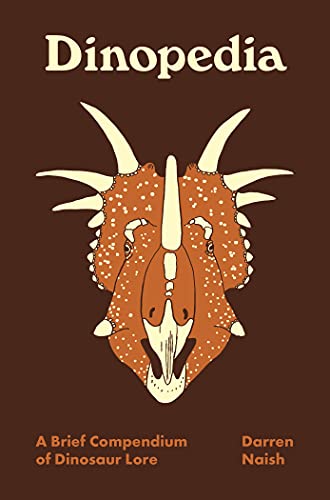
Dinopedia, by Darren Naish:
A compact and great little book filled with tidbits about the history of dinosaur research, some of the paleontologists who conducted said research or influenced the field of dinosaur study, and brief summaries on dinosaur groups. My personal tastes lie with this last group of entries, but each entry was interesting in its own way, supplying concise facts and summaries and highlighting areas of interest within the world of dinosaur research. I greatly enjoyed the illustrations by the author which really enhance the book.
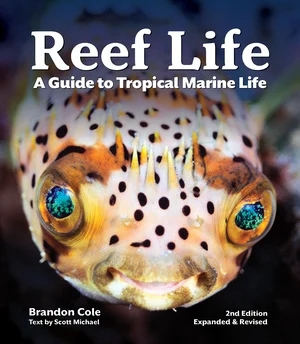
Reef Life: A Guide to Tropical Marine Life, by Brandon Cole and Scott Michael:
A delightful photo-focused tour through the world of coral reefs and tropical sea life. The focus is on fishes, while smaller sections describe and display some representative invertebrates. Styled something like a field guide, but with plenty of ecological and biological information throughout, this book gives a taste of the diversity of coral reefs and the interconnected lives of the species that create and depend on them.
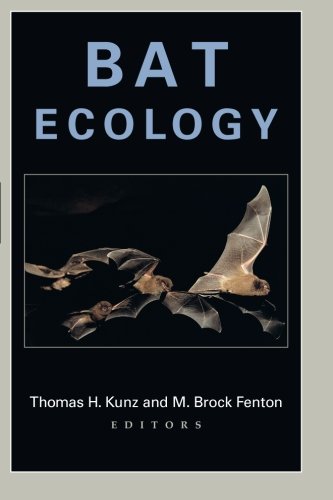
Bat Ecology, edited by Thomas H. Kunz and M. Brock Fenton:
Bats are fascinating, and I learned a lot about them from this book. Because of the book’s focus on Ecology, there was no real overview of Bats as a group which would have been nice for myself to have some sort of general idea before diving into specifics. Not a fault of the book, just something to note if you’re unfamiliar with bats from a scientific point of view. The chapters are each written by different authors and cover a wide range of topics, and as such there were excellent and enjoyable chapters (for myself the chapter on Roosting sites and the chapter on Pollination were particularly fascinating) and some chapters that were less so. Not a fault of the book, but my personal point of view and knowledge base left me struggling through the chapters on Sperm Competition and Patterns of Range Size. Those two chapters in particular felt like specific scientific studies rather than reviews of a subject area which the other chapters felt like. So, while mixed, the interest I have in Bats has certainly been increased and I have certainly learned a lot about some of the diverse ecologies that bats have around the world, while still wanting more.
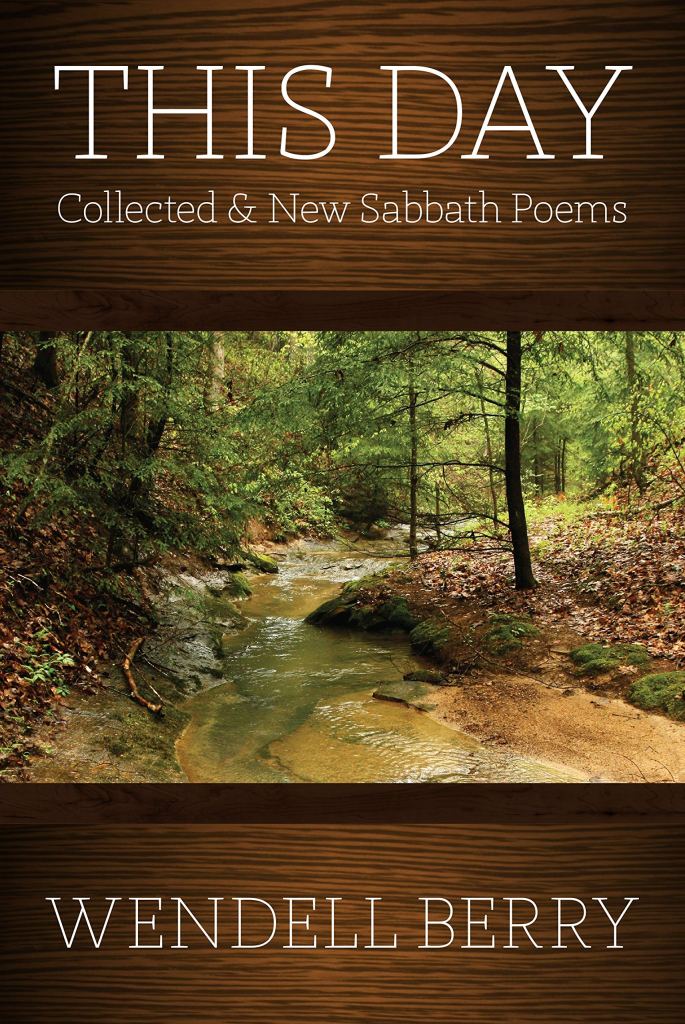
This Day: New and Collected Sabbath Poems 1979-2012, by Wendell Berry:
In the preface, Wendell Berry remarks that the poems should be read outside in similar circumstances to when they were written. And I originally envisioned doing so. When I began to read them in very different circumstances, I found that instead of diminishing the power of the poetry by contrast, the poetry brought the beauty and wonder of nature into my less-than-ideal setting (usually indoors in winter or at work).
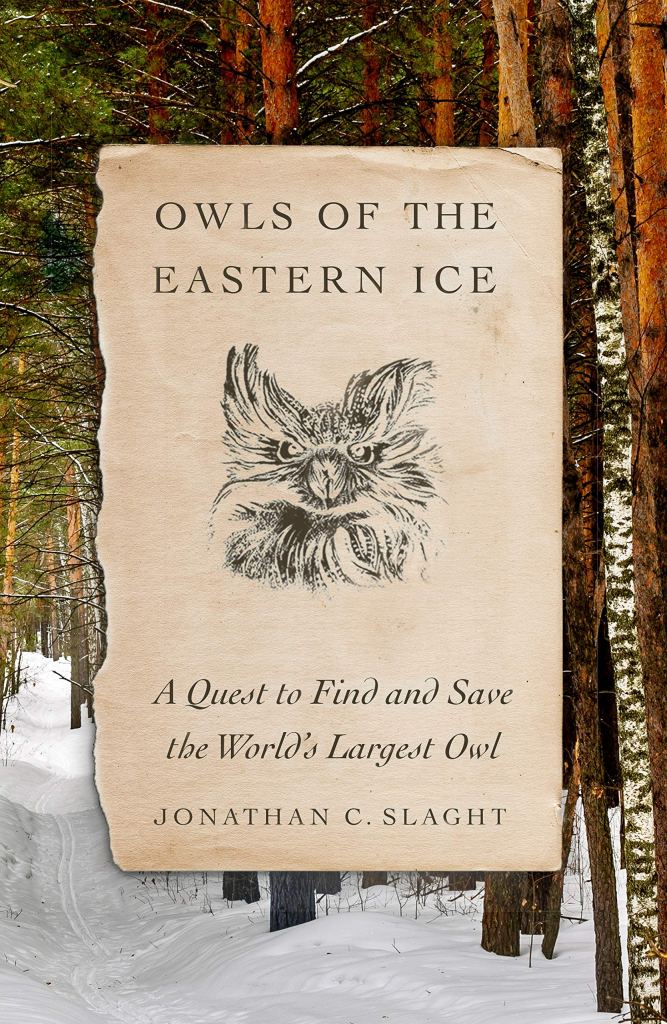
Owls of the Eastern Ice: A Quest to Find and Protect the World’s Largest Owl, by Jonathan C. Slaght:
Although I will always want a book like this to have more focus on the animals themselves (in this case Blakiston’s Fish Owls) I thought this was a very interesting listen (I had the audiobook). Lots of adventures and misadventures in the Russian wilderness, as well as strange and intriguing people that the author encounters. And there was quite a bit about how the field research actually worked and the sorts of things I really was looking for: info and descriptions of the wildlife encounters including the focal species. Overall, a good read about an animal I didn’t know much about before and the efforts to research and protect it.
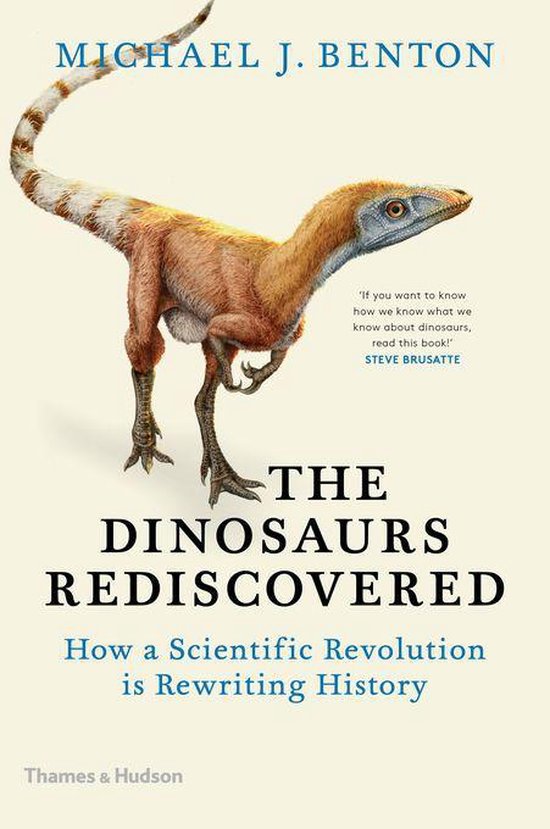
Dinosaurs Rediscovered: The Scientific Revolution in Paleontology, by Michael J. Benton:
I picked up this book from the library, inspired by my recent viewing of Jurassic World: Dominion, and found this book to be a mixed bag. I enjoyed some of the stories behind discoveries or changes in perspective on dinosaurs and their world… but I found other such stories to be irrelevant or out of place. In general, the flow of the book was a bit haphazard. The information within sated my appetite for dinosaurian (and some non-dinosaur) biology and ecology temporarily and I enjoyed the illustrations and figures.
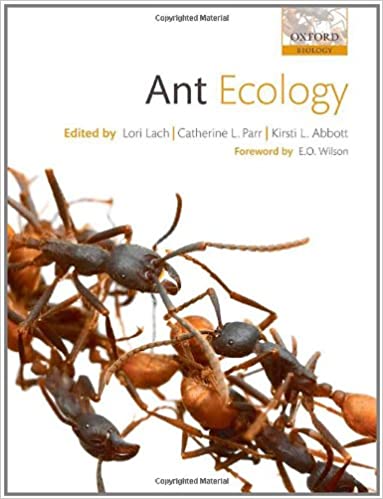
Ant Ecology, edited by Lori Lach, Catherine L. Parr, and Kirsti L. Abbott:
Because this is an edited multiauthored volume, it becomes difficult to review the whole, as chapters are written with different topics and by different people. Overall, this was an interesting look at more recent ant research (20 years more recent than my other source for ant knowledge: The Ants by E. O. Wilson, written in 1990). There is a heavy conservation and practical (invasive ecology) focus to the book which may attract workers in these fields.
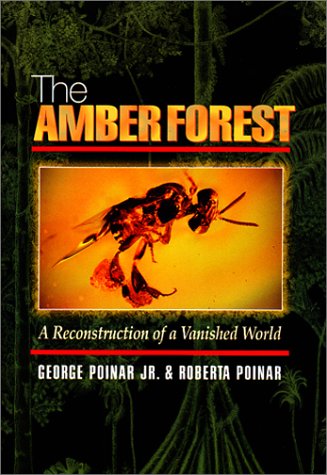
The Amber Forest: A Reconstruction of a Vanished World, by George Poinar Jr. and Roberta Poinar:
Fascinating gallery of ancient organisms preserved in amber of a particular age and location. Mostly insects and other arthropods which is fine by me, I enjoyed the overview of insect relationships and such that were covered alongside the representatives of the different groups found in amber. The format was a little strange and took some getting used to, I feel like there could have been a better way to present the images and the text but I don’t know, felt a little awkward flipping back and forth throughout reading. All in all, very interesting especially if you like insects and fossils.
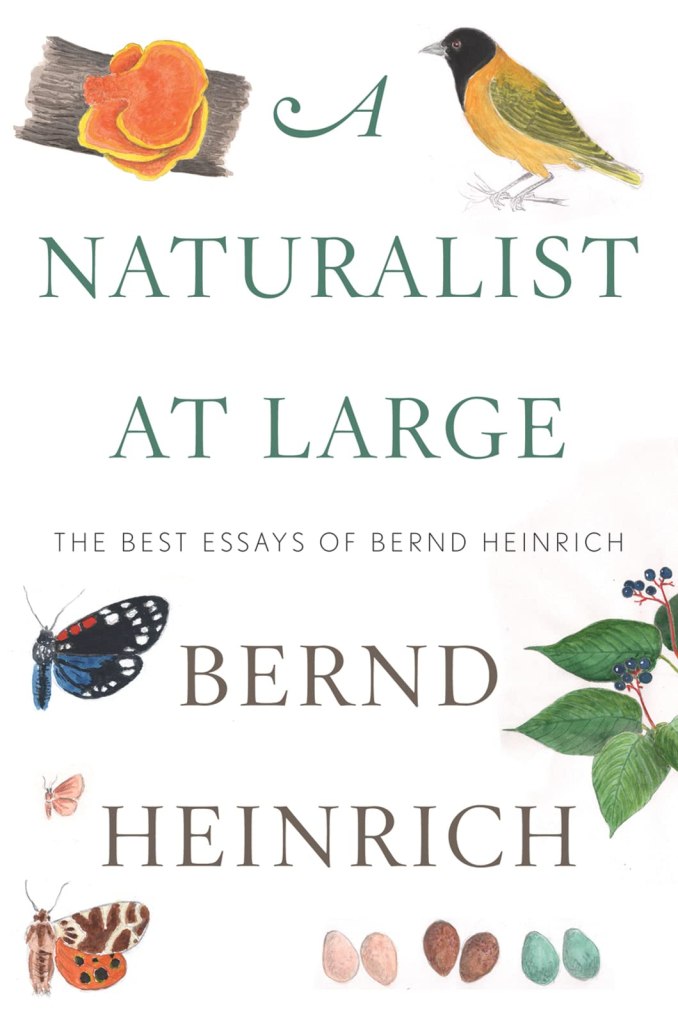
A Naturalist At Large, by Bernd Heinrich:
A fun tour through various natural history topics. Bernd Heinrich is curious about the nature he observes and doesn’t take things for granted and by doing so, he discovers by bits and pieces, fascinating natural history stories. I especially liked the chapters focused on birds or insects, perhaps due to my own interests and knowledge but I think perhaps it is because those were Bernd Heinrich’s research focuses as well and his insight there was thus enhanced.
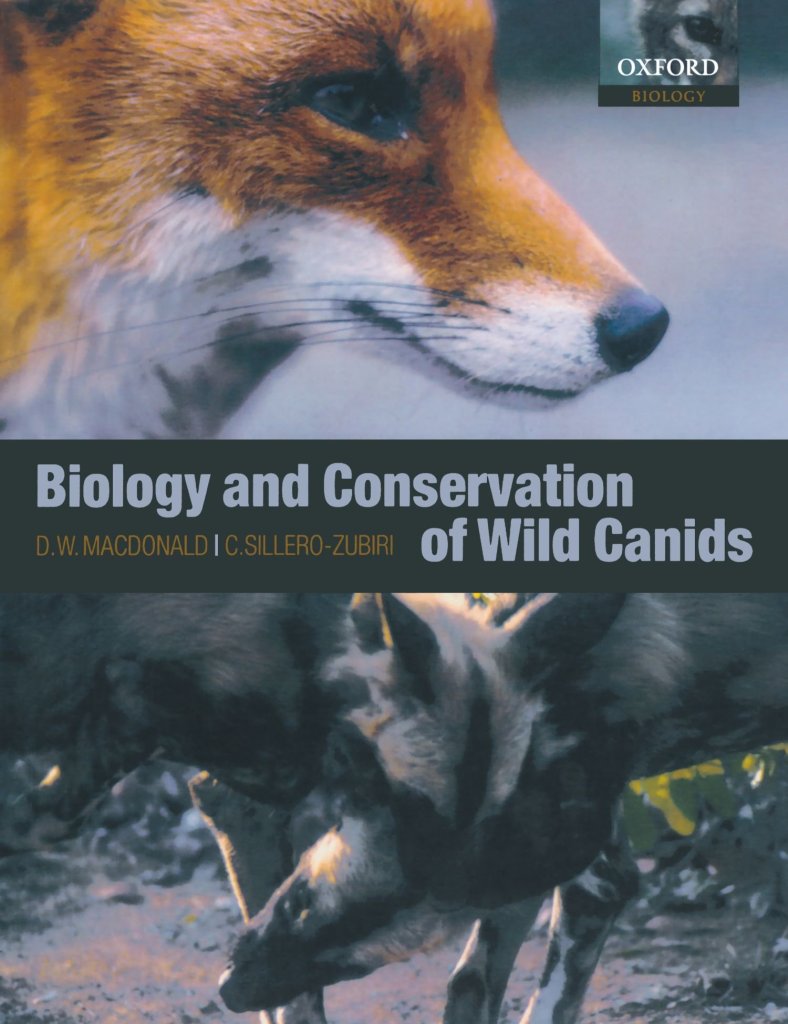
Biology and Conservation of Wild Canids, edited by D. W. Macdonald and C. Sillero-Zubiri:
A great review of Canid Conservation around the world. The case studies were interesting snapshots of species under investigation from Grey Wolves of Isle Royale, in Lake Superior, to the Blanford’s Fox in the deserts of the Middle East. While not comprehensive on the biology/ecology of canids (some species didn’t even get a case study chapter such as Bush Dogs), this was an excellent primer on the diversity of species and challenges in the canid research world.
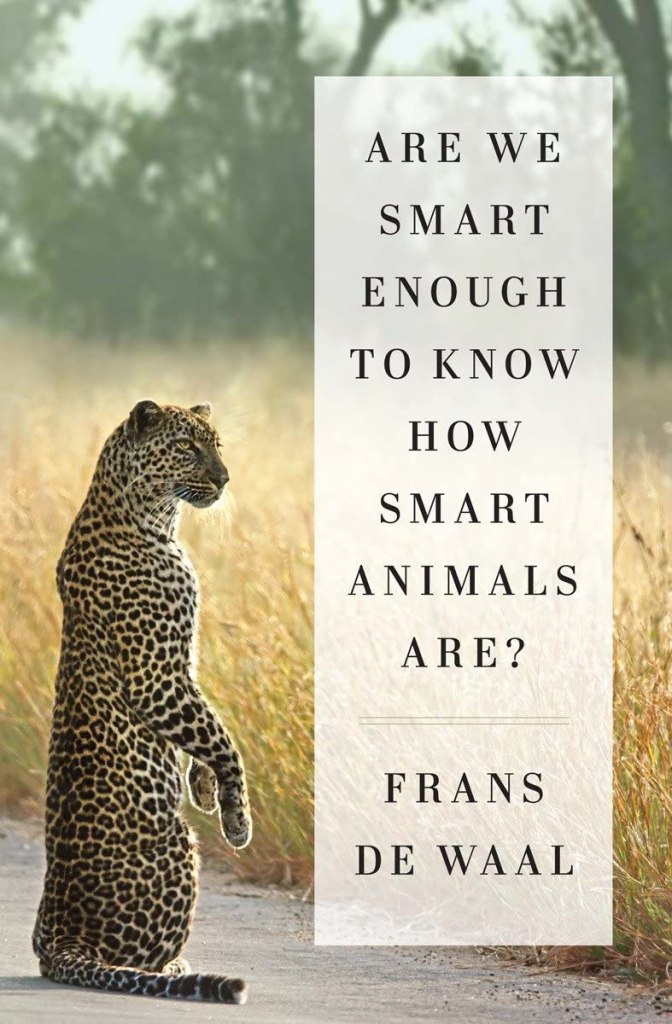
Are We Smart Enough to Know How Smart Animals Are?, by Frans de Waal:
A book aimed at tearing down the division between human and “animal” cognition. Presents a wide array of anecdotes and experiments that demonstrate that human thinking is a matter of degree and not a separate category altogether from the millions of other species on this planet. I was a bit disappointed that the author focused mainly on chimpanzee research (his own specialty) but this served to really break down the idea that human thinking is a different sort from other species as chimpanzees display many of our ways of thinking that humans previously considered unique to our species. I would have loved to read more about cognition in diverse species and phyla, the one section on invertebrates was intriguing but all too short, but all in all the book presents its arguments well, and discusses the history of thinking about animal thinking in an interesting and thought-provoking way.
That concludes my writing and reading overview for the past blogging year! Stay tuned for more nature sightings, observations, photos and natural history!

 Norfolk Naturalist